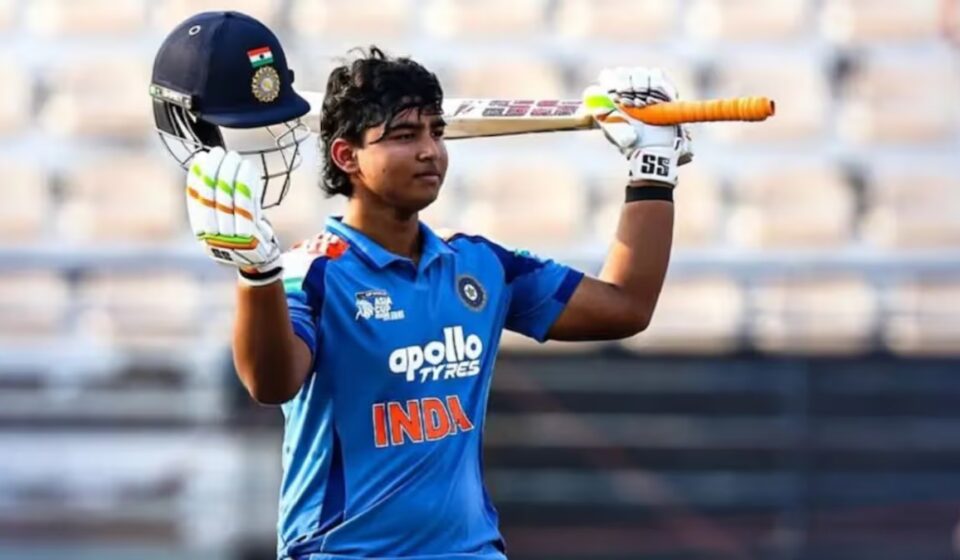

India’s decision to bat 15-year-old Vaibhav Sooryavanshi at No. 3 in the second T20I against New Zealand has raised fresh questions about where the teenage prodigy fits into the team’s long-term batting plans. The young batter returned to the playing XI in place of the injured Ishan Kishan but, instead of taking his familiar opening slot, walked in after Sanju Samson’s dismissal.
India retained Samson and Abhishek Sharma as openers, preserving the existing combination while testing Sooryavanshi in a new role. The experiment, however, yielded little on the day, as the youngster managed just four runs off eight balls before being caught by Daryl Mitchell off Nathan Smith in the seventh over. Despite the brief outing, his record across formats explains why the team management is keen to explore his potential, even as it faces the challenge of slotting him into an established order without rushing his development.
Sooryavanshi’s numbers make a compelling case for patience. According to his Cricbuzz profile, he has amassed 1,028 runs in 23 IPL matches at an average of 44.70 and a striking strike rate of 228.95, with two centuries and six half centuries to his name. His international T20 record is equally encouraging, with 246 runs in eight T20Is at an average of 30.75 and a strike rate of 186.36, including two fifties and a highest score of 81. These statistics underline his attacking pedigree in a format where powerplay scoring and sustained momentum often decide matches, though numbers alone cannot settle the question of his ideal batting position.
Sooryavanshi is primarily known for his aggressive approach at the top of the order, where he can exploit fielding restrictions. With Samson and Abhishek firmly entrenched as openers, the No. 3 position offers India a way to accommodate him without immediately disrupting the combination. Batting at first drop, however, brings distinct demands: responding to an early wicket, building on a strong start, or adapting to the bowling attack through the middle overs.
At just 15, regular opportunities could help him develop the skills to handle these situations. One low score should not determine his prospects, but India must also weigh his growth against the pressure of fielding a competitive XI. Should the experiment continue, it needs a clear purpose. If the team views him primarily as an opener, consistency in that role may serve his development best. Alternatively, middle-order experience could give India greater flexibility across match situations. The two approaches are not mutually exclusive, and a reasonable run of games, paired with clarity over his role, would offer a fairer assessment than judging him on individual innings.
For now, Sooryavanshi’s promotion to No. 3 is best read as an opportunity to explore his adaptability rather than a definitive statement about his future position. The challenge for India is to provide enough opportunities for their teenage star to flourish while ensuring the experimentation fits into a broader, coherent batting strategy.
Original Source: https://www.indiatodayne.in/sport/story/why-vaibhav-sooryavanshi-at-no-3-raises-questions-about-his-role-in-indias-t20-setup-1466894-2026-10-24?utm_source=rssfeed
Category:
Tags:
Publish Date: 2026-10-24 16:37:00