The Omnichannel Mandate: How Digital-First Brands Scale Beyond the Screen

The next phase of D2C is not online versus offline
A digital-first brand does not prove its maturity by opening stores. It proves it by making every channel work as part of one operating system.
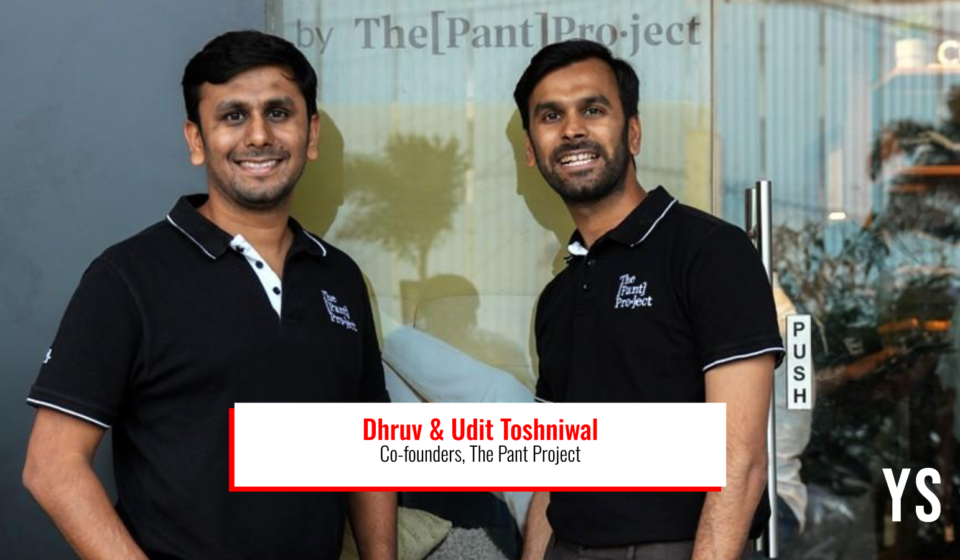
The Pant Project’s ₹109 crore Series B, and its plan to grow from 25 exclusive stores to more than 150, is one signal of a broader shift: successful D2C brands are moving beyond customer acquisition online and building wider distribution. The strategic question is not simply how fast they can open stores. It is whether their systems, data and economics can scale with them.
Stores are an architectural decision
For a digital brand, a physical store is more than a new sales outlet. It changes how the business handles inventory, fulfilment, customer service, returns and demand planning. If those processes remain disconnected from the online business, a brand may gain visibility while also accumulating operational complexity.
The real opportunity is an integrated customer journey: a shopper can discover a product online, assess fit in a store, buy through either channel and receive consistent support afterwards. That experience depends on systems that share reliable information about products, stock, orders and customer interactions.
This is where technology strategy matters. A point-of-sale system added to an existing stack is not, by itself, an omnichannel architecture. Retailers need a dependable source of truth for inventory and orders, clear data ownership, and interfaces that let commerce, fulfilment and customer-service platforms communicate. As the network expands, those foundations help prevent a familiar failure: the website says an item is available, the store cannot find it, and the customer bears the cost of disconnected systems.
Scale creates trade-offs
There is no single template for expansion. Centralising inventory can improve visibility and control; positioning stock closer to customers may improve availability and delivery times. Standardising store processes supports consistency; local flexibility can help a brand respond to differences in demand. These are business choices with architectural consequences-not decisions that technology can make on its own.
The risks are equally practical. Rapid rollout can lock a company into tools that do not integrate well, create parallel customer records, or make reporting unreliable. Replacing those systems later can be expensive. Founders and CTOs should therefore think beyond launch timelines and ask whether each technology decision will still work across 150 stores, multiple marketplaces and direct channels.
A useful measure of progress is not just store count or revenue growth. Look at inventory accuracy, stock turns, returns, fulfilment costs, repeat purchases and contribution margin by channel and location. These measures reveal whether physical expansion is building a stronger business-or merely adding overhead.
A relevant lesson for Indian businesses
India’s apparel market is large, diverse and shaped by varied consumer preferences and distribution realities. That makes local insight valuable, but it also raises the bar for operational discipline. A brand expanding across regions needs systems that can capture differences in demand without fragmenting its data or processes.
For young founders, the lesson is to treat technology as part of the operating model from the beginning-not as a collection of tools to bolt on after growth arrives. Build for shared data, clear accountability and measured experimentation. A new store, channel or category should strengthen the business’s learning loop: what customers choose, what they return, and what the company should stock next.
The strongest omnichannel brands will not be those with the most touchpoints. They will be the ones that make each touchpoint feel like part of the same promise.
About the Author: Sanjeev Sarma is the Founder Director and Chief Software Architect at Webx Technologies. With a core focus on Generative AI integration, Cloud-Native Scalability, and Enterprise Software Architecture, he has spent over two decades driving digital transformation across Northeast India and beyond. Beyond his corporate leadership, Sanjeev is deeply invested in shaping the future of the IT industry. He serves as an Industry Expert on the Board of Studies for Assam Don Bosco University’s School of Technology, advises state technology committees, and actively mentors emerging tech startups at STPI. He brings a unique, dual perspective of high-level enterprise execution and future-ready academic curriculum development.