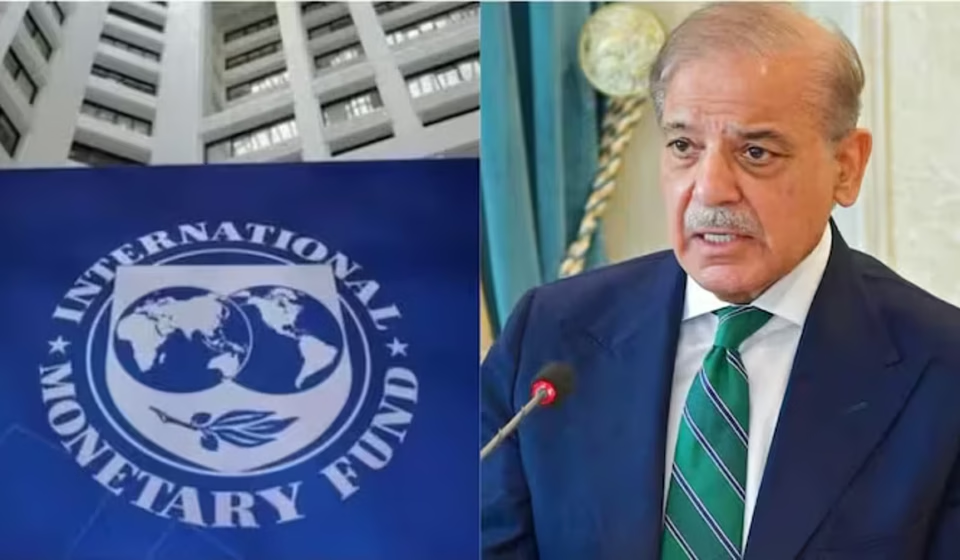

Pakistan will assume the chairmanship of the boards of governors of the International Monetary Fund (IMF) and the World Bank Group in 2027, a striking paradox for a nation that continues to depend on billions of dollars in foreign financial assistance to keep its economy afloat. The decision was formally announced on October 16, 2026, during the plenary session of the 2026 IMF-World Bank Annual Meetings in Bangkok, Thailand. Minister for Economic Affairs Ahad Khan Cheema, who serves as Pakistan’s Governor to the World Bank, was named the incoming chair of both boards, marking Islamabad’s first return to the position since 1953.
While the role places Pakistan in charge of proceedings attended by member countries’ finance ministers and central bank governors, it does not grant Islamabad any control over loan approvals, funding allocations, or day-to-day financial decisions. Those operational powers rest strictly with the executive boards of the two global institutions.
The diplomatic recognition comes at a delicate moment for Pakistan, which is currently tied to a $7 billion IMF Extended Fund Facility and a $1.4 billion Resilience and Sustainability Facility. Even as the 2027 chairmanship was being finalised in Bangkok, Pakistani authorities were working to secure an additional $1.2 billion from the IMF under existing loan reviews to stabilise the country’s fragile balance of payments.
Observers have pointed out the irony of a frequent borrower leading discussions at the very institutions that hold the keys to its economic survival. Adding to the diplomatic portfolio, Finance Minister Senator Muhammad Aurangzeb also assumed the separate chairmanship of the Governing Council of the Borrowers’ Platform, a UN-backed initiative aimed at helping debt-burdened countries improve their sovereign debt management.
Pakistan faces significant structural economic hurdles that could shadow its high-profile leadership roles. Public debt hovers near 70 percent of GDP, and more than half of federal revenues are consumed by debt servicing. Domestically, the IMF has mandated strict fiscal reforms, including broadening the tax base, cutting subsidies, and privatising state-owned enterprises. How Pakistan balances its domestic debt vulnerabilities while steering global economic dialogues will be closely watched over the next two years.
Reactions to the announcement have been sharply divided. Pakistan’s Ministry of Economic Affairs hailed the selection as a “historic milestone,” but financial analysts note the role is largely ceremonial, rotates annually, and carries no executive authority over loan approvals or policy. India has strongly dismissed the appointment, calling it a purely ceremonial role that amounts to “protocol, not power.” On social media, users were quick to highlight the irony of a chronic borrower presiding over the world’s leading lenders.
Original Source: https://www.sentinelassam.com/more-news/international/economic-paradox-debt-ridden-pakistan-named-to-chair-imf-world-bank-boards-for-2027
Category: International News
Tags:
Publish Date: 2026-10-19 19:24:00