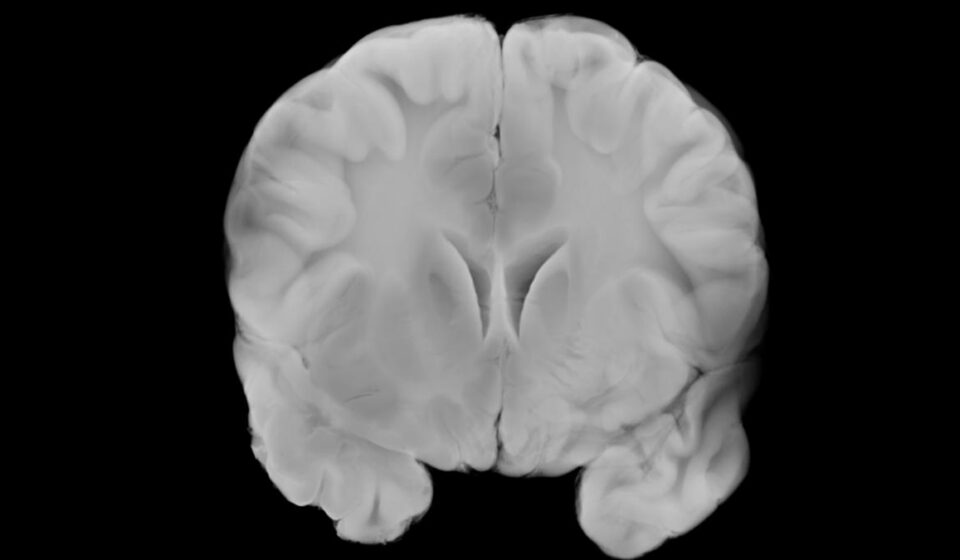

I learned between surgical cases that my mother had developed brain metastases-cancer that had spread to her brain. The diagnosis felt sudden, but the disease had been unfolding for months, possibly years. As I washed my hands and returned to theatre, I recognised a broader pattern: illness and psychological breakdown often appear abrupt only after biological or social systems have spent years compensating for strain. What looks stable from the outside may be working hard to preserve normal function.
Physiologists call this balancing process homeostasis. In cancer, mutations accumulate gradually while healthy cells, the immune system and surrounding tissue continue to protect organ function. A tumour can therefore grow without immediate symptoms. The brain adds another layer: neural circuits can reorganise around damaged areas and recruit neighbouring networks, sometimes preserving speech or cognition despite substantial disruption. Surgical recordings from patients whose tumours invade the language cortex show speech-related activity extending beyond usual language regions. Only when the brain can no longer redistribute this workload does impairment become obvious.
The same principle can operate under sustained psychological pressure. Stress hormones may reduce the influence of prefrontal networks involved in flexible reasoning and contextual memory while increasing the influence of circuits associated with habit and routine, particularly in the striatum. Initially, this can look like productivity: longer hours, narrower attention and leisure sacrificed for urgent work. Because outward performance remains intact, the underlying strain can be difficult to see.
I saw this pattern in a doctoral student who lost her train of thought during a research presentation and missed a turn on a familiar drive. Her brain scans were normal, with no tumour, oedema or structural abnormality. She initially feared neurological disease. Her account instead traced the lapses to months of pressure within her programme: a meeting reframed delays as “patterns” and concerns about supervision as “dependency”; her sleep shortened, meals became irregular and recreation disappeared. In hierarchical institutions, strain is often absorbed by those least able to resist it.
After receiving reassurance and support from family and friends, she reduced some commitments, restored a more regular sleep pattern and reintroduced routines that had once supported her daily life. Her cognitive flexibility gradually returned. Her experience illustrates an evolutionary trade-off: preserving function in the present can take priority over optimal long-term functioning, allowing strain to remain hidden. This does not mean that stress explains every neurological symptom; sudden or progressive cognitive changes still require proper medical assessment.
The broader lesson is not that every collapse can be predicted, but that care should also notice what disappears before a crisis: sleep, curiosity, connection, leisure and other sources of renewal. We often see the moment a system fails, not the long period during which it held itself together.
Original Source: https://psyche.co/ideas/why-long-brewing-physical-and-mental-breakdowns-feel-so-sudden
Category:
Tags:
Publish Date: 2026-10-01 15:30:00