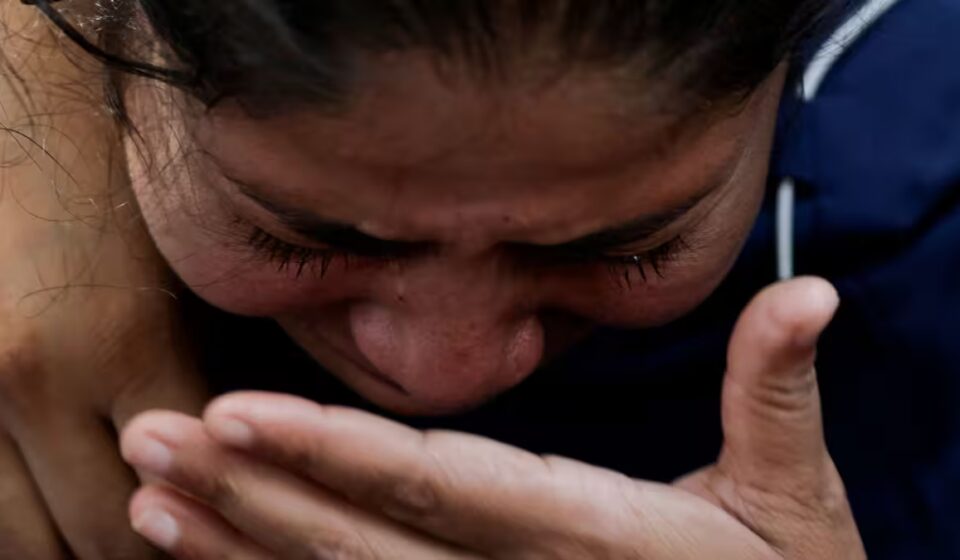

A catastrophe along the Nepal–Tibet border has left more than 500 dead and thousands unaccounted for after flash floods swept away settlements and infrastructure, authorities say. Among the missing are at least 300 Indian tourists, many of whom were pilgrims on the Kailash Mansarovar Yatra; hundreds of pilgrims have been reported missing since Wednesday, August 26. The floods struck key border areas including Rasuwa, Rasuwagadhi and the Bhote Koshi/Lhende river system — an overland gateway used by travellers heading from Nepal to Mount Kailash and Lake Mansarovar.
The disaster also raised alerts in parts of Bihar and Uttar Pradesh, though the immediate flood risk eased after water levels in the Gandak River fell rapidly on Thursday, August 27. Rescue teams in Nepal continue recovery operations amid widespread damage and chaotic access to affected communities.
India has pledged full assistance to Nepal, dispatching relief material including food and medicines and offering support for search-and-rescue and humanitarian efforts. Diplomatic and emergency channels remain active as officials try to account for missing citizens and coordinate aid.
Questions have resurfaced about Operation Sindoor after reports that Pakistan’s Kirana Hills — a site alleged to house a secret nuclear facility — came under attention during the mission. Former Chief of Defence Staff General Anil Chauhan said a loitering munition sent around Sargodha in May 2025 may have inadvertently landed on the Kirana Hills, suggesting the impact was not deliberate. The comments have renewed debate over the operation’s targets and regional strategic sensitivities.
Across the Atlantic, the proposed U.S. changes to H‑1B policy threaten to reshape opportunities for Indian professionals. The Trump administration has proposed raising the H‑1B visa fee for highly skilled foreign workers to more than $100,000 and making the levy permanent. Indian citizens receive a large share of H‑1B approvals each year — up to 70%, the piece notes — and analysts say the fee hike would hit entry‑level aspirants and tech workers hardest.
At home, Raksha Bandhan was widely celebrated on Friday, August 28, even as retail sugar prices spiked — some states reporting increases of roughly 40% year‑on‑year. India is preparing to import sugar for the first time in nearly a decade. Opposition parties have blamed diversion of cane for ethanol production; the government has rejected that claim. Climate factors such as El Niño have also been cited as possible contributors to the supply squeeze.
On defence manufacturing, India has test‑fired the first fully indigenous AK‑203 assault rifle, christened “Sher,” from the Korwa Ordnance Factory in Amethi, Uttar Pradesh. The rifle is said to be the first AK‑203 produced using 100% Indian components after a Russia‑India manufacturing collaboration that gradually increased domestic content.
Health authorities report a sharp monsoon‑season rise in H1N1 (swine flu) cases, with Karnataka and Delhi among the worst affected and hospitals seeing heavier caseloads; the Indian Council of Medical Research has indicated the surge is not driven by a new viral strain. Finally, security analysts warn of a shifting model of violent recruitment exemplified by Pakistan‑based gangster Shahzad Bhatti — a more transactional, “gig‑economy” style of terrorism that poses fresh challenges for prevention and intelligence efforts.
Original Source: https://www.firstpost.com/explainers/this-week-in-explainers-why-so-many-indians-travel-to-nepal-for-the-kailash-mansarovar-yatra-14041631.html
Category: India
Tags:
Publish Date: 2026-08-29 09:34:00