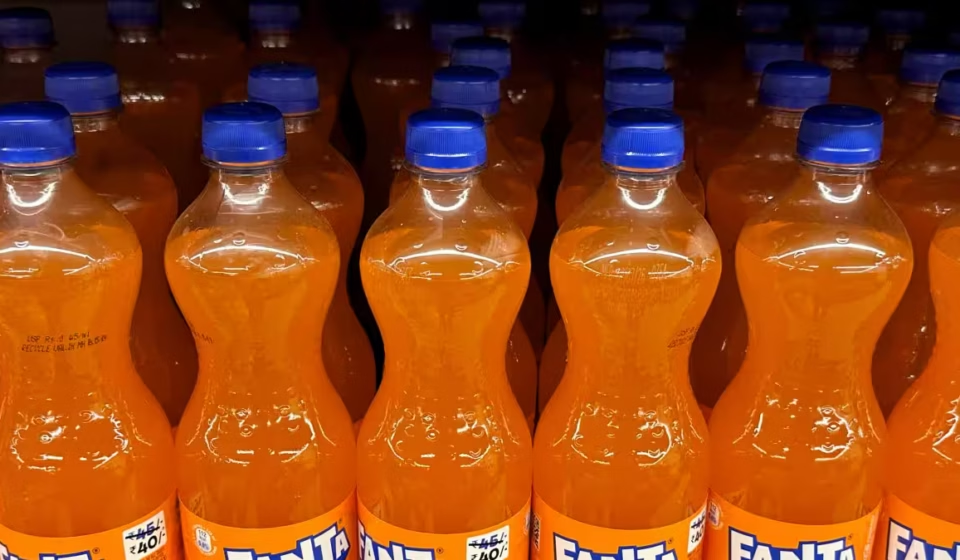

A sharp dispute over food labelling has renewed in India as health activists press for prominent front-of-pack warnings on products high in sugar, salt or fat, while the food industry and the regulator favour less conspicuous formats. The issue has reached the Supreme Court after activists challenged the Food Safety and Standards Authority of India’s (FSSAI) decision to abandon colourful warning symbols and instead propose a black-and-white table showing levels of sugar, fat and salt. The debate gained public attention when comparisons showed a can of Fanta sold in India contains more sugar than the British version and uses an artificial colour not present in the UK product, yet the Indian pack does not carry the prominent health warnings seen in some European markets.
FSSAI says India’s food habits differ from Western countries and that international labelling systems cannot simply be copied, prompting its move to the black-and-white design in August. Activists argue that interpretive front-of-pack labels-already used in several countries-allow shoppers to identify potentially unhealthy products at a glance without parsing small nutrition tables on the back. At a March meeting with FSSAI officials, industry representatives urged a focus on portion control and consumer education rather than warning symbols; a senior Coca‑Cola India executive, Mili Bhattacharya, questioned whether consumers who rarely read ingredient lists would change diets because of a warning symbol.
Industry counterpoints have drawn scrutiny because multinational firms already use interpretive labels elsewhere: Coca‑Cola and its bottlers use traffic‑light-style labels in several European markets, and Nestlé has applied similar systems in Britain since 2013. Reuters-cited industry estimates suggest that under the proposed criteria nearly 80 percent of products in India’s more than $100‑billion packaged food and beverage market could be classified as high in fat, sugar or salt-potentially placing a large share of goods under any front‑of‑pack warning regime. For food companies, such labels could reshape consumer perceptions; for health experts, that is precisely the objective.
The Supreme Court in February asked regulators to consider stronger front‑of‑pack warnings and suggested looking at systems used abroad, including Israel. FSSAI later told the court that adopting international packaging standards would be difficult; the court has pressed the regulator and emphasized the need to protect public health. The outcome could decide whether India adopts prominent warnings or retains the less visible nutritional information FSSAI has proposed.
Consumer activists have increasingly compared recipes across markets-highlighting differences in Fanta, KitKat and Maggi-raising questions about whether buyers receive enough information about how products vary by country. These differences do not necessarily mean products are unsafe or in breach of Indian rules, but they underscore activists’ calls for clearer labelling. With processed foods and sugary snacks becoming more common and a Lancet study cited in the debate projecting around 450 million Indians could be overweight or obese by 2050, public health voices say clearer labels can help shoppers make quicker, healthier choices, while industry repeats that labels alone cannot solve diet‑related problems without broader consumer education on portions and balanced diets. (With inputs from agencies.)
Original Source: https://www.firstpost.com/business/fanta-sugar-food-labels-india-fssai-14040696.html
Category: India
Tags:
Publish Date: 2026-08-25 17:26:00