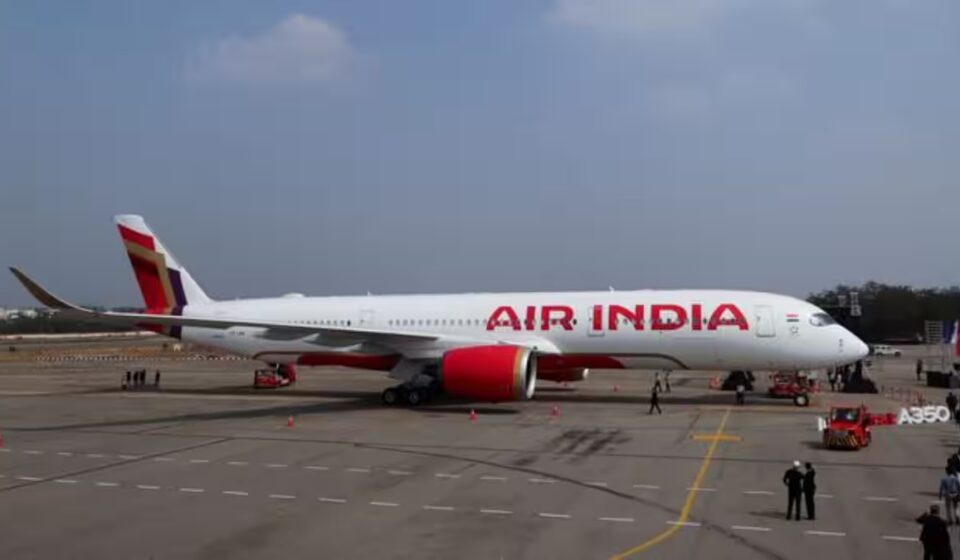

The Federation of Indian Pilots (FIP) has asked the Directorate General of Civil Aviation (DGCA) to raise the share of pilots subject to random drug testing to at least 25% annually, arguing the current minimum of 10% is inadequate for India’s rapidly expanding aviation sector. The demand, made in an August 17 representation to the regulator and reported by Business Standard, follows the August 4 Air India Phuket–Delhi flight incident in which the aircraft reportedly lost about 300 feet of altitude and 24 people were injured; the pilot‑in‑command later tested positive for marijuana.
Under existing DGCA rules, scheduled commercial airlines and air navigation service providers must randomly test at least 10% of their aviation personnel for psychoactive substances each year. FIP says increasing that proportion would make random checks less predictable, strengthen deterrence, and keep the threat of selection credible throughout the year rather than limited to meeting an annual quota. The federation also proposes that the same pilot may be selected more than once in a year and that additional testing be carried out where objective risk factors exist.
To speed and scale screening at airports, FIP recommends adding oral‑fluid (saliva) testing alongside the current urine‑based system. The pilots’ body says saliva tests suit random, targeted and high‑volume screening because samples can be collected more quickly, while urine tests could remain for situations where a longer detection window or regulatory requirements make them preferable. FIP has proposed a 12‑month pilot programme to evaluate whether saliva testing can be integrated into India’s aviation safety framework, studying test accuracy, collection time, crew downtime, laboratory confirmation, chain‑of‑custody, testing capacity and costs.
FIP emphasises that an initial positive screening should not be treated automatically as proof that a pilot was impaired while flying. It calls for non‑negative results to undergo confirmatory laboratory testing and medical evaluation before any regulatory or employment action. The federation also urges airlines to adopt a “Check Before You Take” programme to educate pilots about prescription medicines, over‑the‑counter drugs, supplements, herbal products and alcohol‑containing medicines that may affect fitness to fly or trigger a positive test. Regular awareness programmes and confidential access to aviation medical experts are also recommended.
Following the August 4 incident, Air India introduced one‑time mandatory drug testing for its pilots; the airline has reportedly recorded two pilots who failed that screening so far. The FIP’s proposals aim to shift drug‑testing practices from simply meeting an annual target to a more continuous, risk‑sensitive system that balances deterrence with safeguards against false conclusions.
Original Source: https://www.firstpost.com/india/pilots-body-seeks-25-annual-random-drug-testing-after-phuket-flight-incident-14039054.html
Category: India
Tags:
Publish Date: 2026-08-18 20:10:00