Net-Zero Cloud Architecture: Reconciling AI Demand with Responsible Power

We obsess about model size, latency and uptime – yet the physical energy architecture that powers those models is where the most consequential trade-offs are being decided.
A Recent Turning Point
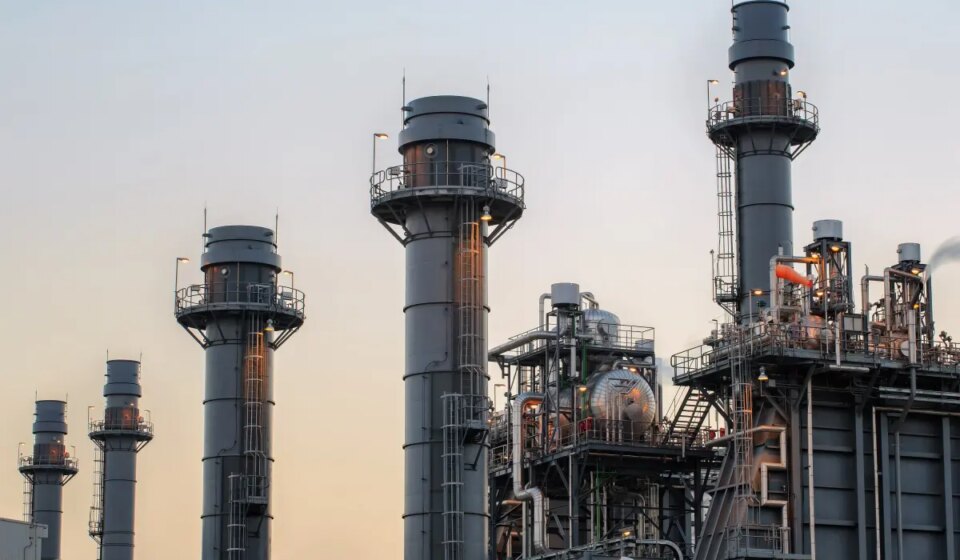
I recently read reporting that Amazon plans a large on‑site natural‑gas power plant for a planned data center in Pecos County, Texas, that would be permitted to emit tens of millions of tonnes of CO2 annually. The story exposes a growing tension: hyperscale compute demand driven by AI colliding with legacy choices about how and where electricity is produced.
Why this matters for architects and technology leaders
The core principle beneath this story is simple but urgent: compute architecture decisions are energy architecture decisions. When organisations scale AI and cloud services, they are not only building software stacks and APIs – they are implicitly underwriting power plants, grid behavior and public policy outcomes.
There are three interlinked strategic implications every CTO and enterprise architect must internalize:
-
Speed vs. sustainability is a design constraint, not a marketing checkbox.
Large AI deployments reward latency and availability. On‑site generation can deliver reliability and predictable costs, but at what environmental and reputational price? Choosing a power model that optimizes compute uptime without accounting for carbon intensity is a textbook long‑term architectural debt. The costs – regulatory pushback, consumer trust erosion, procurement restrictions from customers requiring green SLAs – can far exceed near‑term energy savings. -
Workload design influences infrastructure choices.
Not all workloads are equal. Inference serving for consumer‑facing applications demands low latency; model training and large batch jobs are delay‑tolerant and can be scheduled to align with low‑carbon windows. Treat energy as a first‑class constraint: implement workload classification, dynamic scheduling, model compression, and hardware heterogeneity (on‑chip accelerators vs. general purpose) to reduce energy per inference/train cycle. -
Carbon-aware architecture is now an operational discipline.
Architectural levers include:
- Energy‑aware scheduling and placement (migrate or defer loads to lower‑carbon regions/time windows).
- Local renewables, battery storage and hybrid microgrids to reduce Scope 1 emissions from on‑site generation.
- Transparent carbon accounting per workload (map energy consumption to real‑time grid carbon intensity).
- Cooling and facility design choices (liquid cooling, reuse of waste heat) that materially change PUE and lifecycle emissions.
A practical playbook for enterprise leaders
- Measure before you optimise: instrument compute stacks to report kWh per workload and tie it to regional grid emission factors. Visibility reveals where the largest gains lie.
- Treat energy as a non‑functional requirement: include carbon budgets in sprint planning and architecture reviews.
- Mix architectural patterns: use edge and regional clouds for latency‑sensitive slices; centralise batch and training to green regions or time windows.
- Negotiate for green electricity: long‑term renewable PPAs, on‑site solar/battery, and participation in demand response markets lower both financial and carbon risk.
- Design for hardware choice: pick accelerators that offer the best joules per operation for your dominant workloads and plan for refresh cycles that retire inefficient gear.
What it means for India and the Northeast (a concise bridge)
India’s data‑center footprint is expanding fast. The lesson from the Texas case is directly relevant: building compute capacity without green power strategies risks creating local grid stress and political backlash, particularly in regions with constrained transmission. For enterprises and state policymakers in the Northeast, this argues for prioritising renewable PPAs, regional microgrids tied to local hydropower/solar, and policies that reward energy‑efficient facilities – a pragmatic way to align digital growth with India’s climate commitments.
Takeaways
- Compute growth = energy growth. Make the linkage explicit in strategy.
- Architect workloads with carbon and latency trade‑offs in mind.
- Invest in measurement, routing and scheduling controls to exploit low‑carbon windows.
- Prioritise renewables, storage and efficient cooling at the facility level.
- Be transparent: carbon accounting is now a stakeholder expectation, not optional.
Closing thought
We can build extraordinary digital capabilities and still choose the energy path we leave behind – the question for leaders is whether today’s architecture will be judged as responsible infrastructure or deferred liability.
About the Author: Sanjeev Sarma is the Founder Director and Chief Software Architect at Webx Technologies. With a core focus on Generative AI integration, Cloud-Native Scalability, and Enterprise Software Architecture, he has spent over two decades driving digital transformation across Northeast India and beyond. Beyond his corporate leadership, Sanjeev is deeply invested in shaping the future of the IT industry. He serves as an Industry Expert on the Board of Studies for Assam Don Bosco University’s School of Technology, advises state technology committees, and actively mentors emerging tech startups at STPI. He brings a unique, dual perspective of high-level enterprise execution and future-ready academic curriculum development.