
Hyderabad-based International Crops Research Institute for the Semi-Arid Tropics (ICRISAT) has secured long-term humanitarian rights to deploy CRISPR-Cas9 gene‑editing technology across its mandate crops under a licensing arrangement with Corteva and the Broad Institute, a move that could accelerate the development and field deployment of improved varieties for farmers in Asia and Africa. The licence covers not only laboratory research but the full pathway from scientific discovery to farmer‑facing products, ICRISAT said.
The agreement gives the institute access to one of the most widely used genome‑editing tools and is timed against India’s own progress in genome editing. In May 2025, Indian scientists released genome‑edited rice varieties, Kamala and Pusa DST Rice 1, touted for higher yields, improved climate resilience and lower water use without introducing foreign DNA.
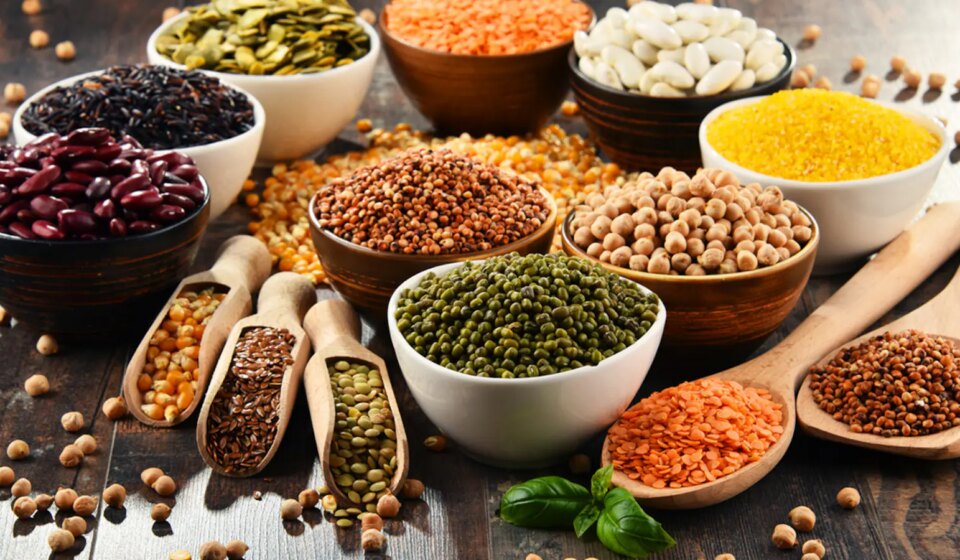
For India, where edible oil imports run into millions of tonnes and pulses shortages regularly affect domestic supply, the ICRISAT licence has particular resonance. The institute’s mandate crops-chickpea, pigeon pea, groundnut, sorghum, pearl millet and other millets-are central to rural nutrition, climate‑resilient agriculture and import substitution. Gene‑editing offers prospects of faster gains in yield, drought and heat tolerance, pest and disease resistance, and improved nutritional quality, all without adding genes from unrelated species.
Gene editing with CRISPR‑Cas9 is often likened to correcting a spelling error in a document: it makes precise changes to a plant’s own DNA rather than inserting foreign genes. That difference distinguishes it from traditional genetic modification and makes edited varieties closer to changes achievable through conventional breeding, but reached more quickly and accurately.
ICRISAT Director General Dr Himanshu Pathak called the agreement “a transformational milestone,” saying Corteva’s leadership in gene editing combined with ICRISAT’s breeding programmes and partnerships will “accelerate the delivery of practical crop innovations that strengthen food security, improve livelihoods and build more resilient agricultural systems across Asia and Africa.” Corteva’s Dr Wendy Srnic said the company is “proud to collaborate with ICRISAT and help smallholder farmers across Asia and Africa access gene editing technology.”
The licence is expected to bolster ICRISAT’s genomics, breeding, phenomics and seed‑system work and create a more integrated innovation pipeline from lab to field. Yet intellectual property, regulatory approvals and commercialization remain challenges. Whether Indian public institutions such as the Indian Council of Agricultural Research will secure similar access for broader commercial deployment is still uncertain. For pulses, millets and oilseeds, however, ICRISAT’s legal route to use CRISPR‑Cas9 marks a consequential step toward climate‑resilient, higher‑yielding crops.
Original Source: https://www.ndtv.com/india-news/new-gene-editing-tool-may-help-india-tackle-pulse-oilseed-shortages-11860385#publisher=newsstand
Category:
Tags:
Publish Date: 2026-08-03 20:01:00