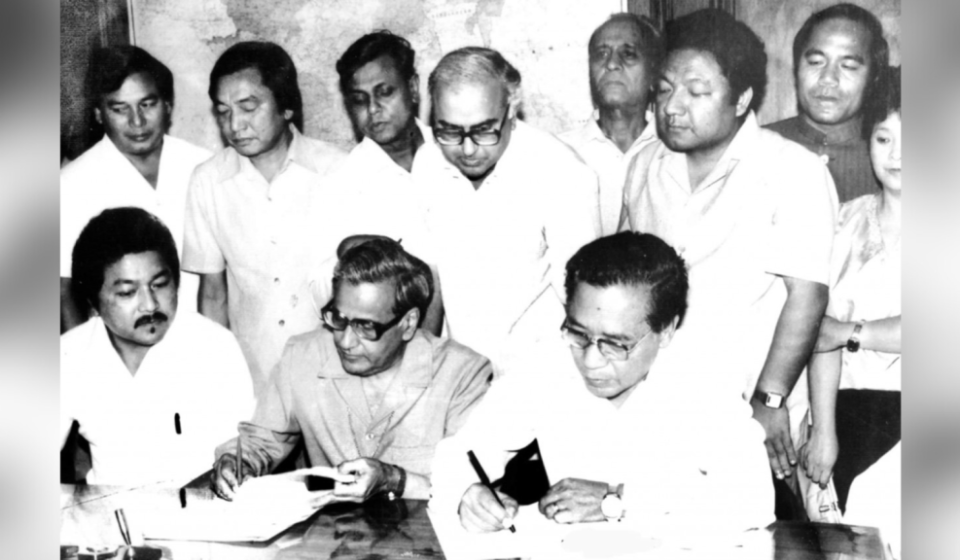

As Mizoram marks the 40th anniversary of the Mizoram Peace Accord on June 30, the most striking question is not when the agreement was signed but how a society that endured nearly two decades of secessionist conflict and military operations under the Armed Forces (Special Powers) Act has largely avoided a cycle of revenge. The accord’s endurance and the apparent absence of tit-for-tat killings set it apart from many other conflict settlements in India and abroad.
Mizoram’s experience raises a central mystery: after years of violence, displacement and deep grievances, why did retaliatory violence not take hold? The peace accord transformed the immediate legal and political landscape, but the deeper social mechanisms that prevented revenge remain debated. The simple fact that communities who suffered and fought were able to move past retaliatory reprisals is the core subject of reflection as the state observes four decades of peace.
Observers point to several possible lines of explanation without claiming definitive answers. One is the role of negotiated settlement itself: an inclusive political solution can reduce incentives for revenge by addressing major grievances and offering a path to legitimate participation. Another is social cohesion-local norms, family and clan structures, and widespread community-level desire for normalcy may have dampened cycles of retaliation. Religious and civil-society institutions that fostered reconciliation are also frequently cited as stabilising forces. Finally, practical considerations such as the costs of renewed conflict and the opportunity of reconstruction and development likely encouraged restraint.
None of these factors alone explains the outcome; the lasting tranquillity appears to result from a mix of political settlement, community choices and wider social dynamics. As Mizoram commemorates the accord, the key lesson is not merely that a treaty was signed, but that its implementation intersected with social processes that kept vengeance from becoming the default response to past violence. That unresolved combination of policy and social restraint is why Mizoram’s peace remains a subject of study and why its anniversary prompts questions that extend beyond celebrations.
Original Source: https://eastmojo.com/premium/2026/07/01/zero-revenge-killings-the-mystery-at-the-heart-of-indias-only-successful-peace-accord/
Category: Mizoram,News,Northeast News,Premium ,Top News,peace accord
Tags:
Publish Date: 2026-07-01 00:17:00