Architecting GovTech for Tight Budgets and Legislative Scrutiny

When budget trumps buzz: a contrarian nudge for public‑sector tech
We love the shiny – generative AI demos, cloud migrations, zero‑trust badges. Yet the clearest signal from recent state‑level discussions in the U.S. is blunt: funding cycles and defensible value narratives will decide which projects live or die. That shift forces vendors and architects to translate technical wins into budgetary impact, not the other way around.
The signal in two sentences
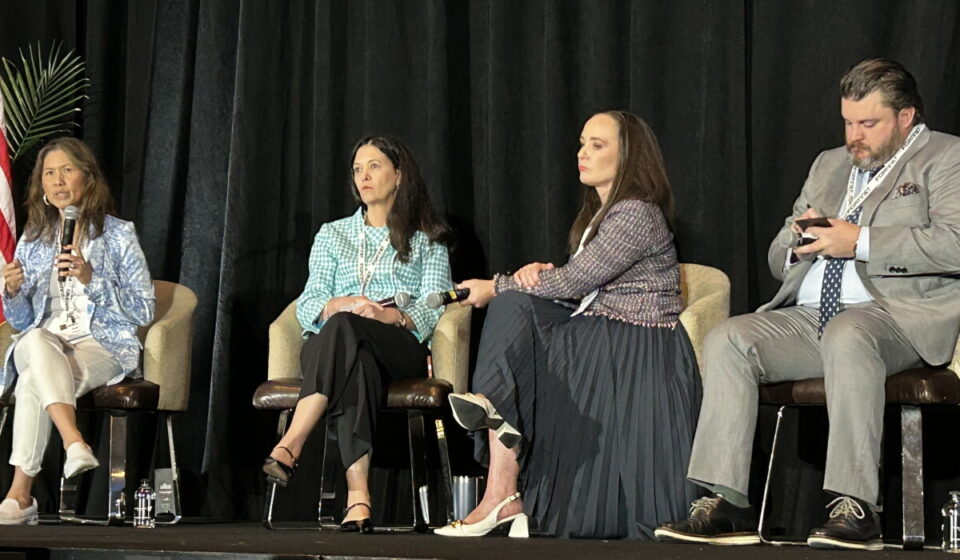
A panel at the Texas Digital Government Summit made it plain: upcoming legislative sessions will have tighter discretionary funds, and agencies – advised by prioritization frameworks – will rank cybersecurity and legacy modernization projects by risk, service impact and legislative digestibility. Vendors who provide plain language, phased plans and defensible cost bases will have an advantage; those who push “vendor bills” or overpromise on AI savings will not.
What this means for enterprise architecture and vendors
The implication is both strategic and practical. Strategic: success will move from pure technical novelty to architecture that maps directly to measurable public outcomes – reduced risk, restored uptime, improved citizen service times. Practically, that means three shifts for architects and solution providers:
-
Design for phased funding. Break monolithic modernization into minimal viable value slices that can be funded across fiscal cycles. Use strangler patterns, API facades, and side‑by‑side deployments so each phase delivers a defensible improvement (reduced outage risk, simplified procurement footprint, lower operating cost) rather than an abstract promise.
-
Tie every technical metric to a budgetary narrative. Map latency/availability/security improvements to constituent outcomes: fewer manual interventions, faster benefit disbursal, reduced fraud. Legislators and budget writers do not evaluate architectural elegance – they evaluate impact on people and public spend.
-
Make cost assumptions auditable. Provide quotes, market comparators, rough order‑of‑magnitude estimates, and a clear sensitivity analysis for variables like compute, licensing, third‑party services and skilled staffing. When AI or cloud costs rise, a documented basis for estimates is the difference between a project being prioritized or deferred.
Risk, AI and the politics of savings
AI will attract attention but also skepticism. Overselling efficiency gains invites staffing and oversight questions. Architects should therefore present conservative business cases for AI pilots: clear human‑in‑the‑loop controls, metrics for accuracy and customer experience, and rollback plans. For cybersecurity and legacy modernization, prioritize controls that reduce measurable risk exposure (mean time to detect/repair, patch lag reduction) – these map more directly to legislative appetite than theoretical ROI.
Artifacts that win trust
For CTOs and vendors pitching public agencies, prepare a short packet that includes:
- One‑page value statement in plain language tied to constituent outcomes.
- Phased delivery roadmap with milestones and budget per phase.
- Defensible cost sources (quotes, benchmark projects).
- Security and privacy impact summary.
- Example case studies with measurable outcomes and a timeline.
A brief Bharat connection
The dynamics are familiar in Indian states and DPI projects: funding rhythms, procurement scrutiny and citizen impact matter as much as technical choice. I have often argued in STPI forums that Indian vendors – especially in the Northeast where fiscal cycles and last‑mile realities are acute – should adopt the same discipline: phase work to match state budgets, quantify citizen outcomes, and document cost bases for newer technologies like AI or edge compute.
Takeaways
- Phase, don’t monolith: small, fundable slices beat grand one‑shots.
- Speak budget language: translate technical benefits into constituent impact and fiscal metrics.
- Audit your estimates: provide sources, sensitivity, and alternatives.
- Treat AI as augment, not miracle: conservative pilots with human oversight win trust.
- Align with agency procurement and leadership – bypassing governance is a project killer.
Closing thought
Technical brilliance is necessary but insufficient; in the public sector the durable advantage belongs to those who can make technology narratively and numerically accountable to lawmakers and citizens.
About the Author: Sanjeev Sarma is the Founder Director and Chief Software Architect at Webx Technologies. With a core focus on Generative AI integration, Cloud-Native Scalability, and Enterprise Software Architecture, he has spent over two decades driving digital transformation across Northeast India and beyond. Beyond his corporate leadership, Sanjeev is deeply invested in shaping the future of the IT industry. He serves as an Industry Expert on the Board of Studies for Assam Don Bosco University’s School of Technology, advises state technology committees, and actively mentors emerging tech startups at STPI. He brings a unique, dual perspective of high-level enterprise execution and future-ready academic curriculum development.