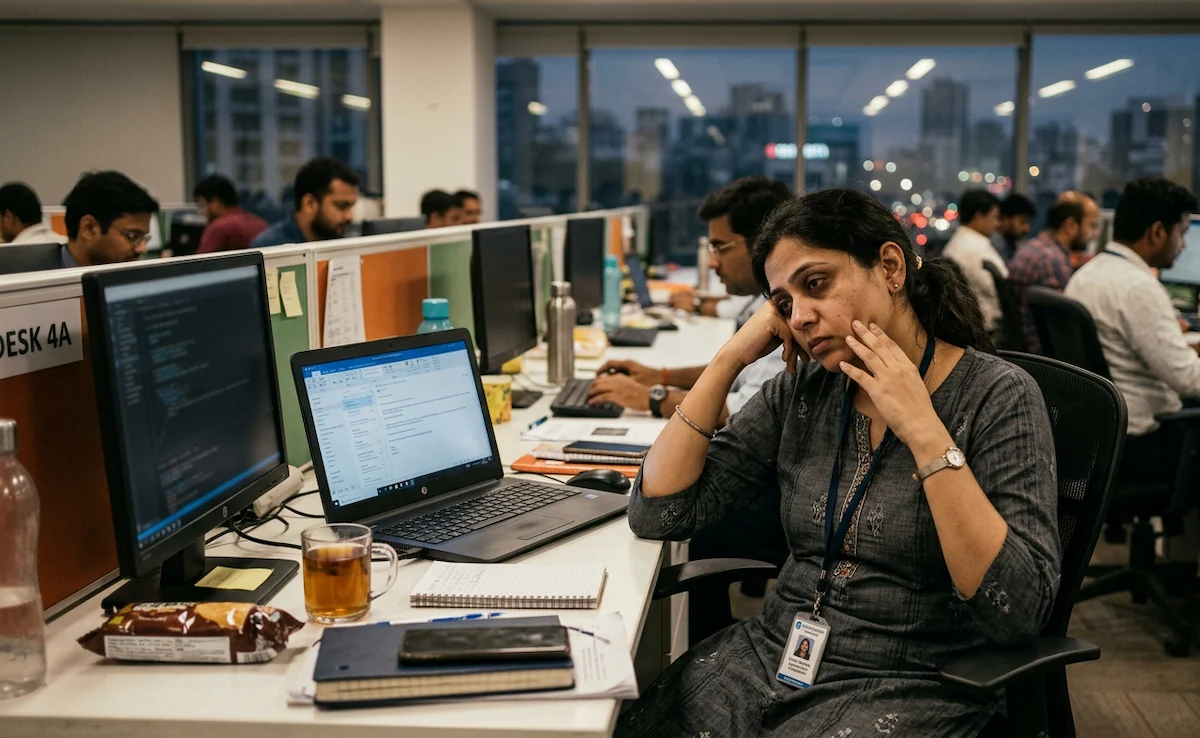

Persistent tiredness in women is often written off as a byproduct of busy lives, but clinicians warn it is rarely just a lifestyle issue. Ongoing fatigue frequently signals underlying physiological problems — most commonly iron deficiency and hormonal imbalance — and can significantly impair energy, concentration and day-to-day functioning. National Family Health Survey (NFHS) data indicate that more than half of women in India have low haemoglobin, underscoring the scale of the problem and the need for medical evaluation rather than simple acceptance.
Iron is essential for making haemoglobin, the protein that carries oxygen in red blood cells. When iron stores fall, tissues receive less oxygen and symptoms extend beyond simple tiredness. Even mild or borderline iron deficiency without clear anaemia can cause persistent fatigue, headaches, breathlessness on exertion, difficulty concentrating and a general sense of weakness or pallor.
Women are especially vulnerable to iron depletion because of menstrual blood loss, increased demands during pregnancy and diets that may be low in iron-rich foods. Regular monitoring of haemoglobin and early intervention are therefore important, particularly for those with heavy or prolonged menstrual bleeding.
Hormonal fluctuations also play a direct role in energy regulation. Variations in oestrogen and progesterone across the menstrual cycle affect mood, sleep and metabolism. In the premenstrual phase many women experience higher fatigue, changes in appetite, disturbed sleep and reduced concentration; conditions such as premenstrual syndrome and premenstrual dysphoric disorder can make these symptoms more severe.
Thyroid dysfunction is another common, often underdiagnosed cause of tiredness. Low thyroid hormone slows metabolism and can present as persistent fatigue alongside weight gain, cold intolerance and slowed thinking. Because these signs overlap with general tiredness, early thyroid testing is important when fatigue is ongoing.
Chronic stress and sustained elevation of cortisol further disrupt sleep patterns and the circadian rhythm, producing poor sleep quality and daytime exhaustion. Over time, stress-related hormonal changes can deepen fatigue and delay recovery.
Iron deficiency and hormonal problems often interact: heavy menstrual losses reduce iron stores while hormonal irregularities can alter appetite, digestion and nutrient absorption, creating a cycle that sustains low energy. Modern lifestyle factors — irregular meals, low intake of leafy greens, pulses and lean proteins, sedentary behaviour, poor sleep hygiene and high unaddressed stress — tend to worsen these physiological causes.
A structured response works best: routine haemoglobin screening, assessment of thyroid and reproductive hormones, dietary improvements to boost iron intake, regular sleep patterns, practical stress management and medical advice before starting supplements. Where deficiencies or imbalances are confirmed, targeted treatments such as iron supplementation or hormonal therapy should be undertaken under medical supervision.
Persistent tiredness should be treated as a clinical signal, not a routine inconvenience. Timely recognition and appropriate care can restore energy, prevent progression of deficiencies and improve long-term physical and mental wellbeing. This guidance is based on commentary by Dr Niti Kautish, Director and HOD, Department of Obstetrics and Gynaecology, Fortis Escorts Hospital Faridabad.
Original Source: https://www.ndtv.com/health/women-feeling-constantly-tired-is-not-normal-doctor-explains-role-of-hormones-iron-and-lifestyle-11338726#publisher=newsstand
Category:
Tags:
Publish Date: 2026-04-10 17:13:00