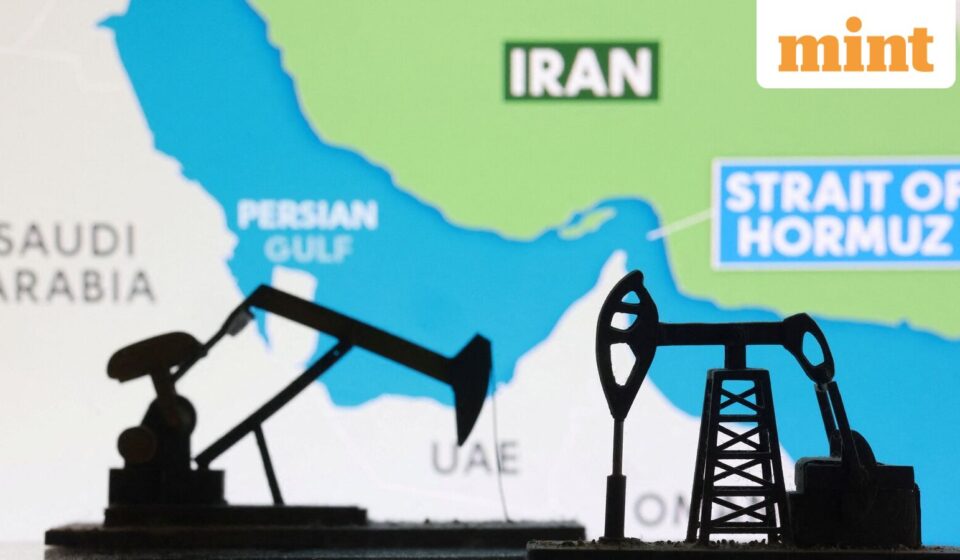
Iran’s Bold Claim to the Strait of Hormuz: How Sovereignty Could Empower Tehran and Shape the Future

Earlier this week, Iran turned down a 15-point ceasefire proposal from the United States, instead presenting five conditions aimed at ending the conflict that began in late February, which Iran attributes to US and Israeli actions. One significant demand involves recognizing Iran’s sovereignty over the critical Strait of Hormuz, a stance Tehran has not previously taken. This strategic waterway is vital for global oil and liquefied natural gas transport, accounting for approximately 20% of the world’s supply. The situation underscores Iran’s growing leverage, as the country appears poised to use its control over Hormuz as both an economic tool and a pressure point on the global stage.
Mojtaba Khamenei, the new Supreme Leader of Iran, reaffirmed in his inaugural address the importance of maintaining the ability to block the Strait. His comments indicate that Iran may formalize its leverage over this critical shipping route. Lawmakers are reportedly deliberating on a bill that would mandate tolls for vessels traversing Hormuz. An adviser to Khamenei has suggested this could pave the way for a “new regime” governing the strait post-conflict, potentially allowing Tehran to impose restrictions on other nations and link access to broader geopolitical disputes.
If implemented, the tolling system could significantly bolster Iran’s economy, with estimates suggesting it could generate millions of dollars daily. Approximately 20 million barrels of oil and related products flow through the Strait daily. Should Iran decide to enforce previously discussed fees of $2 million per tanker, this could yield around $600 million monthly from oil alone, with total revenues possibly exceeding $800 million when including liquefied natural gas shipments. Such financial prospects could also enhance Tehran’s security posture, likely reducing the frequency of attacks against the Islamic Republic.
Following recent hostilities with the US and Israel, the Islamic Revolutionary Guard Corps (IRGC) declared the closure of the Strait of Hormuz. While Iran has long threatened to obstruct this critical waterway in response to military actions, few anticipated the extent of disruption that would ensue, which has significantly impacted global trade dynamics. The ongoing conflict has resulted in diminished shipping through the Strait, triggering turmoil in global energy markets and prompting far-reaching measures by other nations to secure energy supplies.
Dina Esfandiary, a Middle East expert at Bloomberg Economics, commented that Iran’s strategy regarding the Strait has proven surprisingly effective. “Iran has been a little taken aback by how successful its Hormuz strategy has been,” she noted, highlighting that the nation has discovered a powerful new form of leverage.
In the wake of these developments, US Secretary of State Marco Rubio voiced concerns during a recent meeting with G7 leaders, warning that Iran’s potential tolling system at Hormuz poses a serious threat. He emphasized the urgent need for a global plan to tackle this issue, asserting that not only is such a tolling system illegal, but it is also unacceptable and detrimental to global stability. G7 foreign ministers echoed Rubio’s call, stressing the imperative of restoring safe, toll-free navigation in one of the world’s most vital maritime corridors.
As the situation unfolds, Iran’s strategic maneuvers in the Strait of Hormuz will likely remain a focal point in geopolitical and economic discussions globally.
Original Source: https://www.livemint.com/news/world/middle-east-conflict-us-iran-war-strait-of-hormuz-irgc-tolling-system-geopolitical-news-11774780428737.html
Category :
Tags:
Publish Date: 2026-03-29 18:05:00