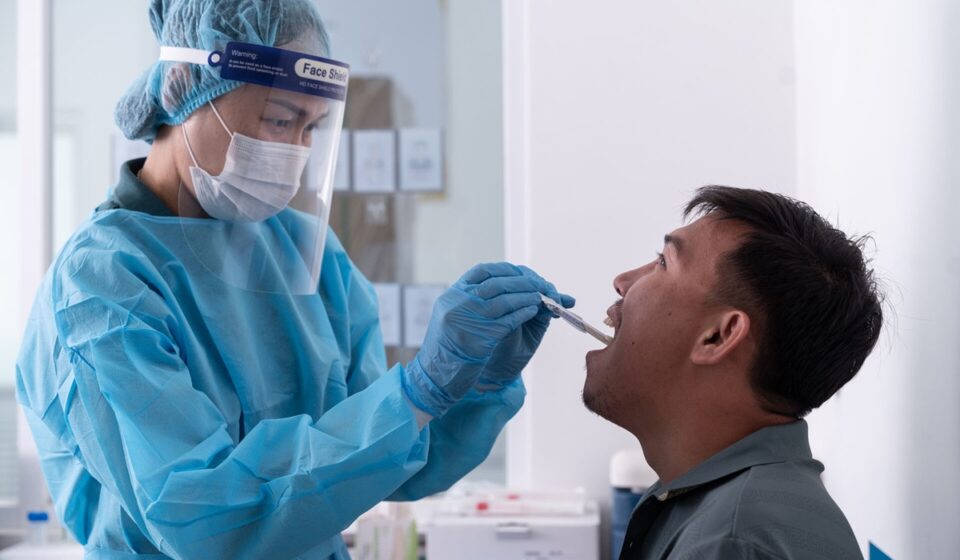

On World TB Day, the World Health Organization (WHO) is calling on nations to intensify efforts to eradicate tuberculosis (TB) and enhance access to vital services. Innovative diagnostic tools, such as point-of-care tests and tongue swabs, are pivotal for achieving faster detection and treatment of this lethal infectious disease. WHO’s newly issued guidelines highlight these user-friendly, portable tests, which can be used directly in healthcare settings, significantly improving the speed and efficiency of TB diagnosis. Priced at less than half of many conventional molecular diagnostics, these tools are designed to broaden testing access, particularly in underserved regions. They operate on battery power and deliver results in under an hour, enabling prompt initiation of treatment.
“These new tools could be transformative for tuberculosis,” said Dr. Tedros Adhanom Ghebreyesus, WHO Director-General. “By bringing fast, accurate diagnosis closer to people, we can save lives, curb disease transmission, and reduce costs.” Dr. Ghebreyesus emphasized the need for countries to enhance access to these diagnostic tools to ensure that every TB patient receives timely treatment. Beyond TB, these innovations also have the potential to detect a range of other diseases, including HIV and HPV, promoting more equitable and patient-centered healthcare.
The updated guidelines further advocate for simpler sample collection methods, such as tongue swabs, and a cost-effective sputum pooling strategy. These approaches can significantly improve testing efficiency and expand diagnostic capabilities for both TB and drug-resistant TB. Tongue swabs enable TB screening in adults and adolescents who struggle to produce sputum, making detection more accessible for those at greater risk. Meanwhile, sputum pooling, which involves consolidating samples from multiple individuals, can cut costs and reduce testing time, offering faster results for patients and public health initiatives.
Despite notable global progress in curbing TB, the disease remains one of the top infectious killers worldwide, with over 3,300 deaths and more than 29,000 new cases reported each day. Since 2000, initiatives aimed at combating TB have reportedly saved approximately 83 million lives. However, recent cuts in global health funding jeopardize these advancements, while challenges in adopting rapid diagnostic tools are largely attributed to prohibitive costs and reliance on centralized laboratory testing.
Looking ahead to World TB Day 2026, WHO stresses the urgency of adopting diagnostic technologies that can be implemented at the point of care and calls for strengthened community leadership in TB care. Dr. Tereza Kasaeva, director of WHO’s Department for HIV, Tuberculosis, Hepatitis, and Sexually Transmitted Infections, noted that investing in TB treatment yields substantial returns, estimating a return of up to US$43 for every dollar spent. She stressed the need for decisive leadership and swift implementation of WHO’s recommendations to safeguard health and save lives.
While advances in diagnostic tools signal progress, the battle against TB requires sustained investment in research and innovation. Current global funding for TB research falls significantly short of the estimated annual requirement of $5 billion, underscoring the gaps that exist in developing new diagnostics, medicines, and vaccines. WHO is collaborating with partners to expedite progress through initiatives like the TB Vaccine Accelerator Council, which aims to align stakeholders on shared priorities for vaccine development and equitable access. As the world observes World TB Day 2026, WHO urges governments and partners to place TB at the forefront of health security and universal health coverage efforts.
Original Source: https://www.who.int/news/item/24-03-2026-who-recommends-new-diagnostic-tools-to-help-end-tb
Category :
Tags:
Publish Date: 2026-03-24 14:03:00