Trump’s Bold Pearl Harbor Reference: A Provocative Defense of Secrecy in Iran Attack Amidst Tense Talks with Japan’s Prime Minister

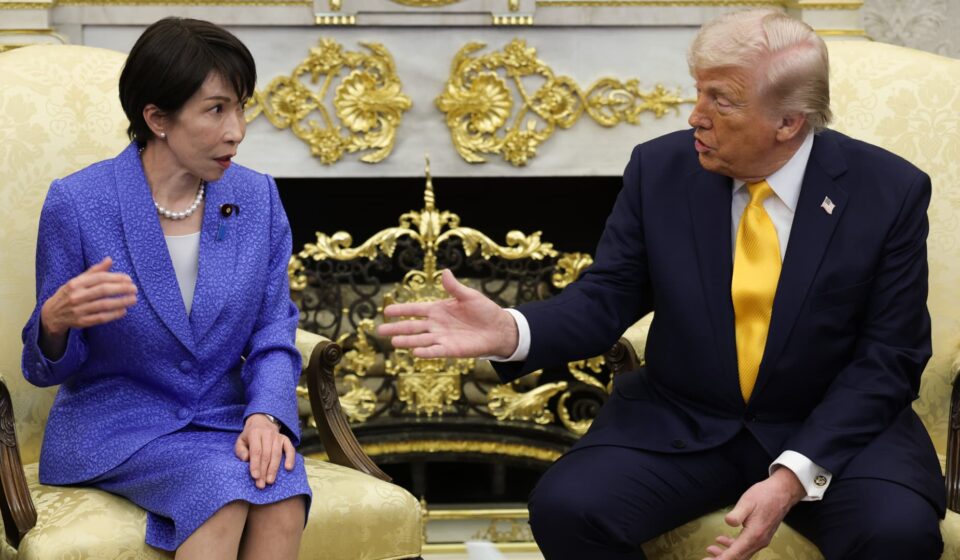
U.S. President Donald Trump and Japan’s Prime Minister Sanae Takaichi met on March 19, 2026, in the Oval Office amid rising tensions surrounding recent military actions in the Middle East. This marked Takaichi’s first meeting with Trump following her significant electoral victory, but the discussion quickly took an unexpected turn.
During a press conference, a Japanese reporter questioned Trump about the lack of prior notification to allies, including Japan, regarding the U.S. military strikes against Iran conducted on February 28. Trump’s abrupt response referenced a pivotal historical moment, saying, “Who knows better about that? Why didn’t you tell me about Pearl Harbor? You believe in surprise much more so than I.” His comment harkened back to the surprise attack by Japan on Pearl Harbor in 1941, which led to more than 2,400 American fatalities and marked the U.S.’s entry into World War II.
Takaichi appeared visibly taken aback, taking a deep breath and leaning back in her chair, as Trump elaborated on the outcome of the strikes in Iran. He claimed the surprise element of the attack was crucial, stating that it “knocked out 50% of what we anticipated.” Despite Trump’s praise of Japan’s decision to “step up” regarding security efforts in the Strait of Hormuz, Takaichi’s government has shown caution. On Monday, Takaichi clarified that there are currently no plans to dispatch naval vessels to escort commercial ships in the Middle East, emphasizing the importance of adhering to Japan’s pacifist constitution.
Before the meeting, Japan, alongside several European allies-Britain, France, Germany, Italy, and the Netherlands-issued a joint statement expressing their commitment to ensuring safe navigation through the Strait of Hormuz. Trump’s calls for increased international military presence in the strategic waterway have been met with a lukewarm response, particularly from NATO members. Earlier this week, Trump criticized NATO for its reluctance to join the conflict, declaring that the alliance was “making a very foolish mistake.” In rebuttal, German Defense Minister Boris Pistorius and French President Emmanuel Macron reiterated their stance, asserting that “This is not our war, we have not started it.”
Chancellor Friedrich Merz of Germany further supported this sentiment, declaring that Germany would refrain from using military means to ensure freedom of navigation as long as the conflict persists. This reflects a broader hesitance among Western allies to escalate involvement in a war many consider not their own.
As the geopolitical landscape evolves, the dialogue between the U.S. and Japan reflects the complexities of international relations today, where historical references can complicate diplomatic interactions. It remains to be seen how Takaichi’s administration will navigate these challenges in line with Japan’s constitution and international obligations.
This meeting underscores the delicate balance of maintaining military readiness while adhering to national principles-a challenge that will shape Japan’s foreign policy in the years to come.
Original Source: https://www.cnbc.com/2026/03/20/trump-pearl-harbor-japan-takaichi-iran-war.html
Category :
Tags:
Publish Date: 2026-03-20 09:02:00