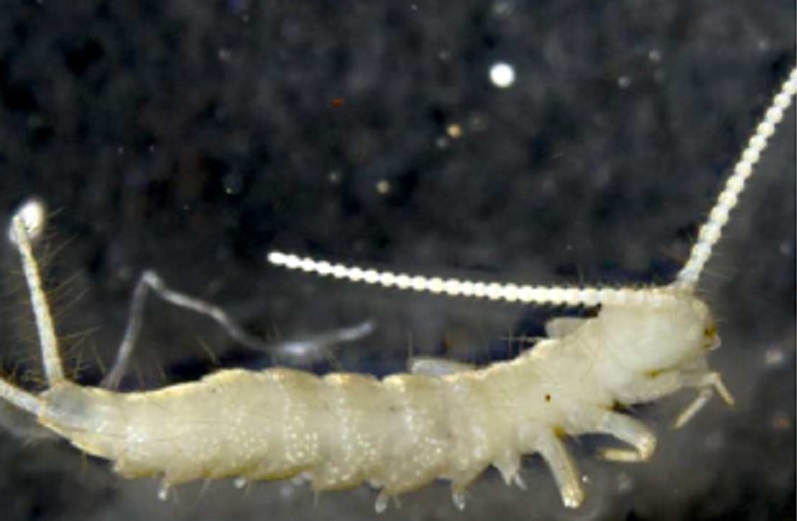

Researchers at the Zoological Survey of India (ZSI) have described a new species of wingless, soil-dwelling micro-arthropod, marking the first time an Indian team has formally described a member of the primitive hexapod group Diplura. The species, named Lepidocampa sikkimensis, was published on January 7, 2026, in the international taxonomic journal Zootaxa. The discovery ends nearly five decades of limited domestic taxonomic work on Indian Diplura, a group for which previous Indian records-17 species-were all described by foreign scientists.
ZSI officials said the specimens that led to the new species were first collected near Ravangla in Sikkim, and subsequent surveys in Kurseong, West Bengal, suggest Lepidocampa sikkimensis may be distributed more widely across the Eastern Himalaya. The research team was led by senior scientist Surajit Kar and included Souvik Mazumdar, Pritha Mandal, Guru Pada Mandal and Kusumendra Kumar Suman.
ZSI Director Dhriti Banerjee said the identification of Lepidocampa sikkimensis significantly strengthens documentation of India’s soil biodiversity. She noted that studying little-known, evolutionarily important groups such as Diplura is crucial to understanding ecosystem function and stressed the need for continued taxonomic work in biodiversity-rich regions like the Himalayas.
Researchers say the new species can be distinguished by the arrangement of its body scales, characteristic bristle patterns (chaetotaxy) and specialised structures on its appendages-morphological traits used to separate closely related Diplura species. Diplurans, commonly called two-pronged bristletails, are primitive, blind hexapods that play an important role in soil health by contributing to nutrient recycling and helping maintain soil structure.
In addition to the new species description, the study updated India’s soil-fauna records by rediscovering a rare subspecies, Lepidocampa juradii bengalensis, which had not been documented for nearly 50 years. The researchers also produced the first-ever DNA barcode data for an Indian Lepidocampa species, linking traditional morphological classification with modern molecular phylogenetics and aiding future identification and conservation work.
Original Source: https://nenews.in/science/zsi-scientists-discover-new-wingless-micro-arthropod-species-in-sikkim/42341/
Category: Science,Lepidocampa sikkimensis,soil-dwelling micro-arthropod,Zoological Survey of India
Tags:
Publish Date: 2026-02-18 12:35:00