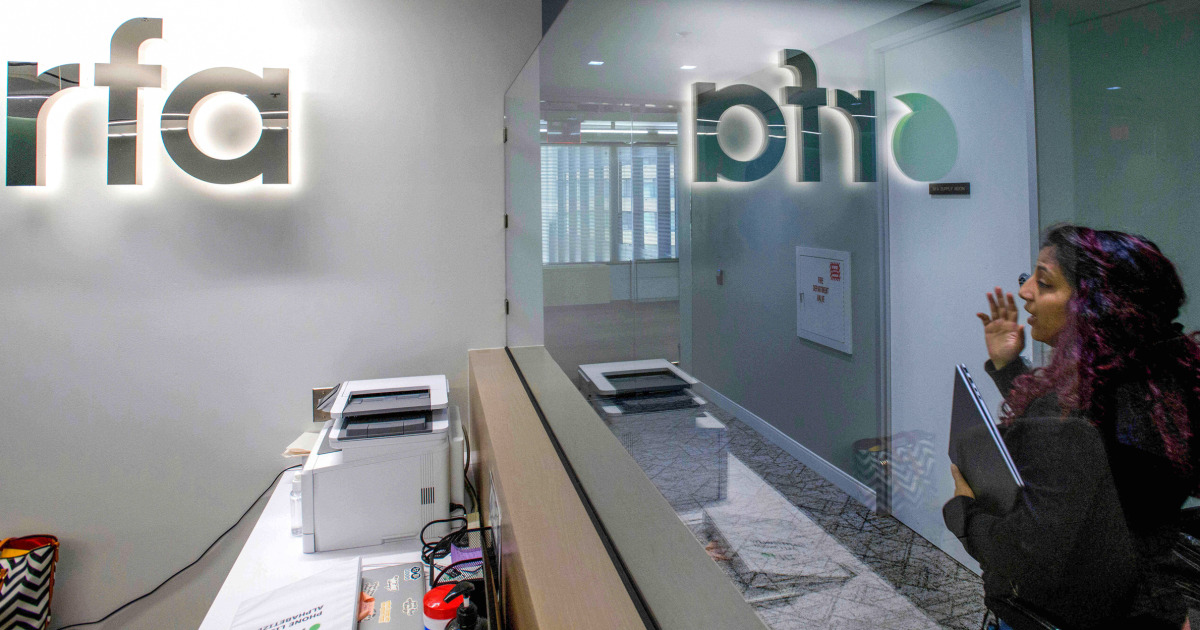
Unveiled: Radio Free Asia Resumes Broadcasts to China — A Must-Watch for Cultural Enthusiasts!

A Dramatic Comeback: Radio Free Asia Resumes Broadcasting to China
It’s a plot twist worthy of a blockbuster! Picture this: a voice silenced, a narrative stifled, and then-unexpectedly-an electrifying return. Radio Free Asia (RFA), the vital U.S. media outlet that has bravely dared to shine a light on the darker corners of political oppression, has announced it’s back on the airwaves, much to the intrigue of entertainment aficionados and political strategists alike. Buckle up; this is a thrilling tale that intertwines the worlds of journalism, politics, and the drama of international relations.
Earlier this week, RFA’s president and CEO, Bay Fang-think of her as the fierce heroine in this saga-took to LinkedIn to proclaim, “We are proud to have resumed broadcasting to audiences in China in Mandarin, Tibetan, and Uyghur.” With this bold move, RFA has reaffirmed its commitment to offering some of the world’s most indispensable independent reporting, particularly crucial given the ever-tightening grip of censorship in China.
But the road back to the airwaves has been anything but smooth. Last year, under the Trump administration, RFA faced brutal budget cuts that sent shockwaves through its operations. Kari Lake, the then-acting CEO of the U.S. Agency for Global Media (USAGM) and a figure often viewed as Trump’s media surrogate, decided to play fiscal hardball. Citing alleged waste and bias, she pulled funding from RFA and its sister outlets like Voice of America, creating a media famine for audiences who rely on these platforms for truthful reporting. Critics roared; they argued this move was tantamount to surrendering the narrative battlefield to adversaries like China-an unthinkable stroke in the a high-stakes international drama.
Yet fans of RFA, who understand the importance of its mission, can now exhale in relief. Fang hinted at the strategic genius behind the rebirth: “The ability to restart the broadcasts was due to private contracting with transmission services.” Though the details of these arrangements remain wrapped in secrecy, a lifeline has been thrown, igniting hopes that the network will continue to operate. But here’s the twist: a new bipartisan spending bill-one signed into law earlier this month-allocated $653 million to the USAGM. While it’s a hefty sum, it’s a stark contrast to the $867 million from the previous years, raising eyebrows about the sustainability of this renewed endeavor.
Now, let’s turn the spotlight on the elephant in the room-China. Following RFA’s triumphant announcement, the Chinese embassy in Washington seemed less than thrilled, with spokesperson Liu Pengyu firing off accusations of “falsehoods” and “anti-China bias.” It’s a classic tale of he-said, she-said, reminiscent of heated exchanges in any great drama.
For decades, RFA has been the courageous storyteller, unearthing the plight of the oppressed-most notably the Uyghur Muslims-while casting a critical eye on authoritarian regimes. Advocacy groups have lauded RFA for maintaining this narrative, but it seems the critics will always be lurking in the shadows, ready to challenge the cast of characters in this ongoing saga.
As of now, RFA’s Mandarin audio content is live online, with tantalizing plans to resume traditional broadcasts shortly. The excitement crescendos as programming in Tibetan, Uyghur, Korean, and Burmese already reaches audiences through short- and medium-wave frequencies-a bit of a renaissance on the horizon!
So, here’s to Radio Free Asia, whose daring rebirth is more than just a victory; it’s a testament to resilience in an era where truth often collides with power. In a world that can’t seem to get enough of drama, the tale of RFA is shaping up to be a riveting chapter in media history. Stay tuned-the show is just getting started!