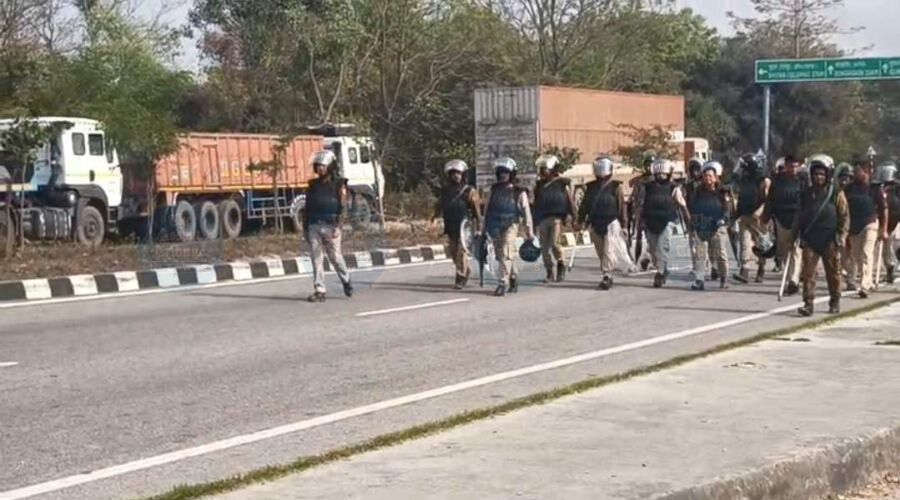

Violence erupted in Karigaon village of Kokrajhar on January 19, following a mob attack regarding suspected cattle theft that resulted in two deaths. In response, the district administration swiftly imposed prohibitory orders under Section 163 of the Bharatiya Nagarik Suraksha Sanhita (BNSS) and suspended mobile internet services to prevent further unrest. The District Magistrate of Kokrajhar issued a notification on January 20, citing “simmering tensions among multiple sections of society and escalating violent activities between two ethnic groups in vulnerable areas of the district” as the basis for these measures. The administration in Chirang adopted similar measures, asserting that they were necessary to maintain peace. These actions reflect a common nationwide emergency response aimed at curbing rumors and stabilizing law and order through social media management.
However, the situation has escalated beyond simple crowd control. As mobile phones reverted to pre-2000 capabilities, a significant crisis emerged, impacting students, job seekers, interns, and ordinary citizens already dealing with the prevailing atmosphere of violence. For Protishruti, a second-year Higher Secondary student at Kokrajhar University, the timing of the shutdown couldn’t have been worse-just weeks before final exams. “For exams, I often access study materials through Google or YouTube. Whether it’s projects or assignments, we depend on the internet,” she explained. Upon learning of the suspension, panic set in. “How will I access reference material or model test papers?” she pondered. The absence of digital resources has left her feeling mentally blocked and anxious about her exam preparations.
Protishruti acknowledged the necessity of the shutdown to control unrest but highlighted the significant collateral damage it has caused. “For students and officials who work online, it’s not a good situation. I’m relying on physical books, but anything requiring internet access is on hold,” she stated. Over the last two days, many students like Protishruti have felt the adverse effects of the emergency measures.
At the Central Institute of Technology in Kokrajhar, sixth-semester student Nishant Thakur remarked that the shutdown severed vital communication with teachers. “The moment the internet was suspended, it caused major trouble. We lost connection,” he said. Nishant was unable to submit his internship work, as all required tools depend on internet access. “My work has been delayed, and WhatsApp groups, which were once vital for communication, have gone silent. We often reach campus only to find classes cancelled because we couldn’t contact our teachers,” he added.
Nishant recognized the rationale for the internet suspension but emphasized its uneven impact. “If the suspension is preventing unrest, that’s fine. But personally, I’m the one suffering, not to mention my friends in similar situations.” For Rashida Khatun, a CTET aspirant from Chirang whose examination is set for February 8, the shutdown has triggered significant anxiety. “I completed my MA and BEd and was preparing for CTET online, but now I’m stuck,” she said. Without access to online resources, she fears she may not pass the exam. Rashida expressed concern about the regional disadvantages frequent shutdowns create, noting, “I have friends in Barpeta and Dhubri who are preparing well. We feel our time has been wasted.”
The suspension also disrupted travel in the region. On January 20, locals surrounded the Karigaon police outpost and blocked National Highway 27, leading some visitors to cancel their plans to stay overnight and request return. After internet services were cut, it became difficult for travelers to seek help. Several were forced to turn back due to impassable highways.
In recent years, Assam has faced multiple internet suspensions amid ethnic tensions and protests. Over the last three months, the state has repeatedly imposed shutdowns in Sixth Schedule areas. For example, in December, mobile internet services were suspended in Karbi Anglong and West Karbi Anglong after violent clashes over the eviction of alleged encroachers from grazing reserves.
Independent social worker Pankaj Islary noted that the shutdown impacted nearly every aspect of daily life, saying, “The public does almost everything online now. It has caused huge problems.” While he acknowledged the need to control misinformation, he pointed out the challenges encountered on the ground. “When we visited injured victims of the mob attack, it was difficult to communicate with others regarding the situation, as there was no WhatsApp,” he explained, also highlighting the digital divide. “Those with Wi-Fi access have not faced as much difficulty.”
As of Wednesday, Protishruti’s Political Science assignment was still incomplete, illustrating the disruption caused by the shutdown. As Kokrajhar and Chirang gradually return to normalcy, the long-term ramifications of treating education and daily life as collateral damage in crisis management remain a pressing concern. For students facing exams and individuals dependent on digital systems, uncertainty continues to loom long after the unrest has subsided.
Original Source: https://assamtribune.com/assam/kokrajhar-violence-internet-shutdown-widens-civilian-suffering-1605131
Category: Assam,Featured
Tags:
Publish Date: 2026-01-22 01:53:00