India’s Bold Move: Transforming Disease Outbreak Response with Regional Unity for a Healthier Future

India is taking significant steps to enhance its public health infrastructure through a comprehensive overhaul of the National Centre for Disease Control (NCDC). As part of the revamped Pradhan Mantri Ayushman Bharat Health Infrastructure Mission (PM-ABHIM), the government plans to establish five new regional offices and 20 metropolitan surveillance units, alongside 27 additional state regional centres. This strategy is aimed at fostering a decentralized response to disease outbreaks.
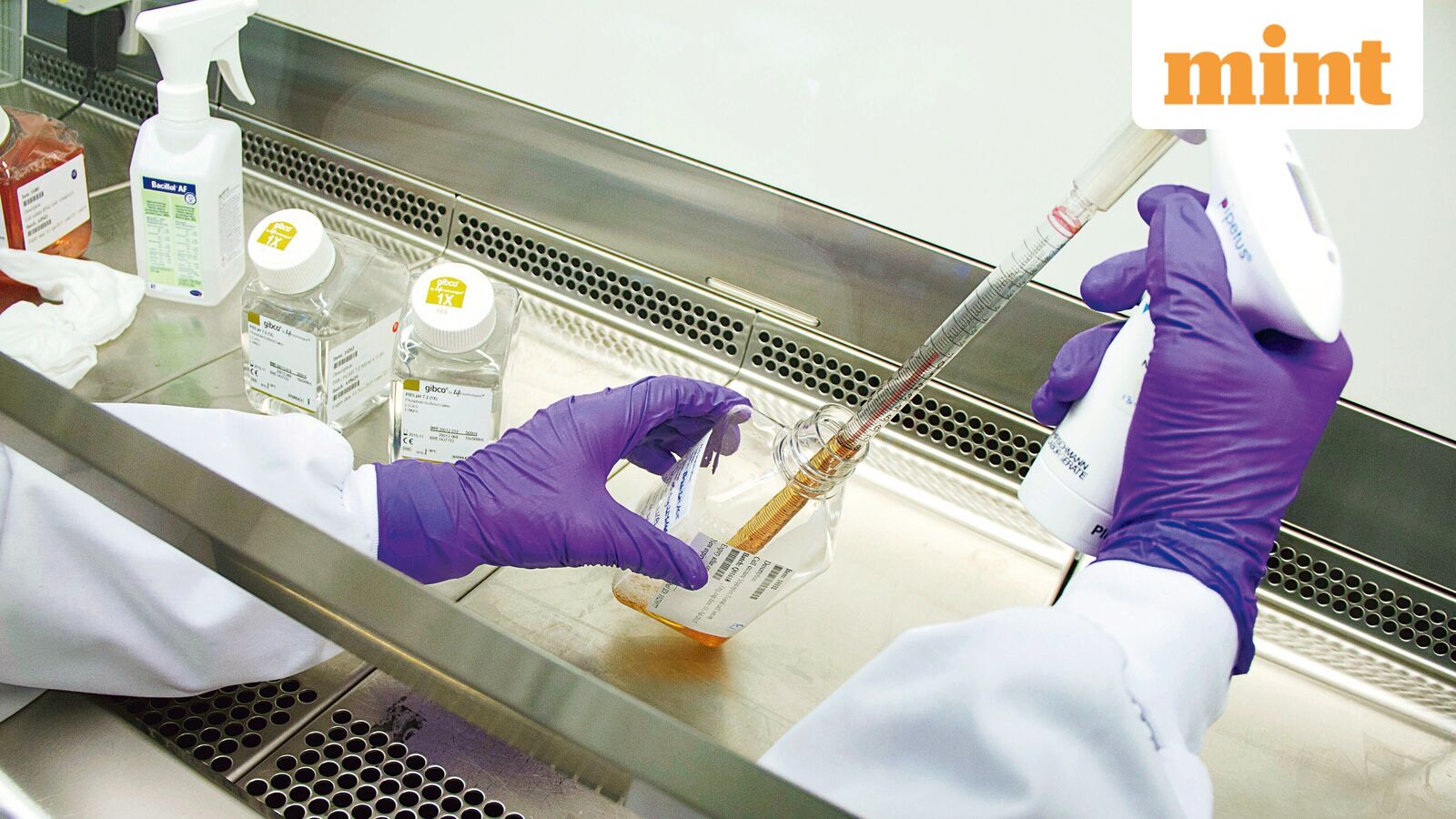
Under this initiative, ten new biosafety level-3 (BSL-3) laboratories will be created to facilitate advanced diagnostics directly at ground zero, bolstering the country’s ability to address pandemics effectively. These high-containment labs play an essential role in the nation’s surveillance strategy against emerging pathogens, ensuring that testing and containment can occur swiftly and efficiently.
With rising concerns over various infectious disease outbreaks, including zoonotic diseases like Nipah virus and avian influenza, the plan addresses critical vulnerabilities in India’s public health system. The initiative places the NCDC at the forefront of frontline health services and evidential collection, while the Indian Council of Medical Research (ICMR) focuses on medical research, ensuring a sharper division of responsibilities.
Currently, India operates 35 BSL-3 laboratories through various organizations, including NCDC and ICMR. However, the nation’s single BSL-4 facility at the National Institute of Virology (Pune), tasked with handling the deadliest pathogens like Ebola and Marburg, highlights the urgent need for expansion. Experts point out that, with the increasing number of outbreaks over recent years-including those of Chikungunya and Guillain-Barré Syndrome-the available laboratory resources are insufficient to manage testing demands without significant delays.
The ₹64,180 crore PM-ABHIM scheme, which is set to conclude in the current fiscal year, will see renewed budgetary allocations in FY27 for enhanced disease surveillance and lab maintenance. The final budgetary figures will be determined as the government assesses funding needs ahead of the budget announcement scheduled for February 1.
The NCDC also oversees the Indian SARS-CoV-2 Genomics Consortium (INSACOG), established to monitor COVID-19 variants. Its operational branches span key cities across India, yet experts like Dr. Sujeet Singh, a former NCDC director, underscore that rapid diagnosis remains a crucial gap. Delays experienced during past outbreaks, as seen during the Nipah virus crisis, highlighted the need for a more extensive laboratory network capable of supporting timely testing.
Dr. Singh emphasizes the importance of establishing high-capacity regional centres to decentralize the health system’s responsibilities from the capital. Special metropolitan surveillance units are also pivotal for managing urban health security, given India’s burgeoning population, with major cities surpassing 10 million residents.
Raman Gangakhedkar, former chief scientist at ICMR, reinforces that this revamp is crucial not only for outbreak detection but also for investigating new pathogens. While ICMR’s role remains centered around generating scientific evidence, streamlined service delivery is crucial for effective public health responses.
With India recently becoming the world’s most populous country, these developments are not only timely but essential for ensuring a resilient healthcare framework against potential disease outbreaks. The proactive measures being taken represent a significant stride toward enhancing India’s public health capabilities in the face of evolving health challenges.
Original Source: https://www.livemint.com/news/budget-disease-surveillance-ncdc-icmr-healthcare-11768993601352.html
Category :
Tags:
Publish Date: 2026-01-22 06:00:00