
Understanding the Dual Nature of Legacy Equipment in Modern Tech
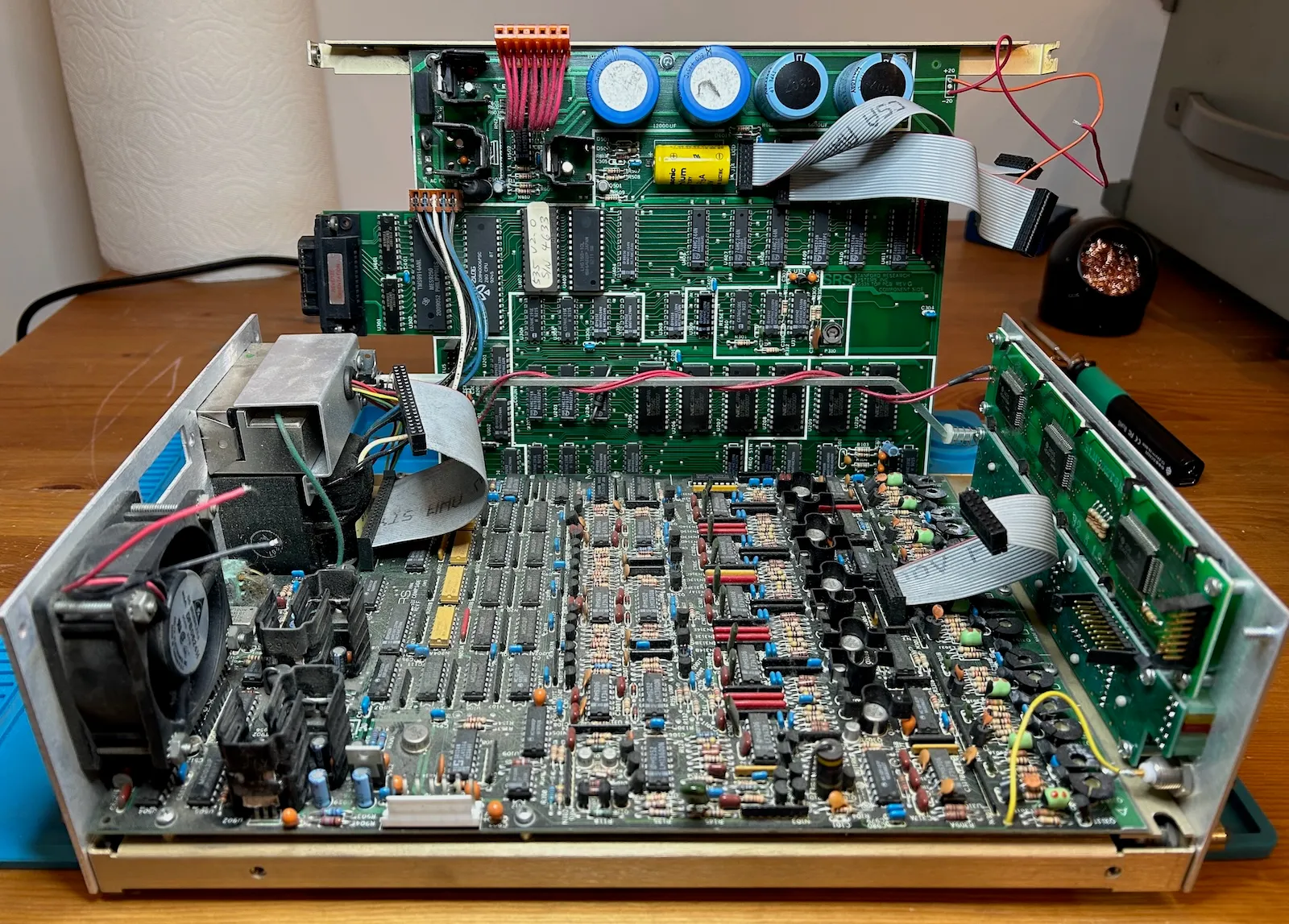
In an age where innovation is relentless, we often overlook the incredible potential hidden within older technology. Vintage laboratory equipment, like a 1980s digital delay generator, might seem unnecessary to most. However, a compelling case recently emerged around Tom Verbeure’s encounter with a malfunctioning Stanford Research Systems (SRS) DG535, exemplifying the possibilities of repurposing and repairing such devices.
Verbeure’s journey with the DG535 was not merely about fixing a broken machine; it turned into a masterclass in understanding and troubleshooting legacy technology. Initially marked by self-destruct features and failing supply rails, the device presented challenges that many would shy away from. However, Verbeure’s resolve led to a successful repair involving modest yet effective changes-transforming a discontinued piece of equipment into a functional one once again. This scenario begs a broader exploration of the implications for organizations investing in both new and legacy technologies.
The Signal: Challenges in Legacy Equipment
The narrative here centers around the complexities and unforeseen issues of maintaining and revamping older technological systems. With components like Z80 microprocessors and outdated design standards, it highlights the friction developers face when modernizing legacy systems. Particularly, Verbeure’s experience with the self-destruct feature from the current-boosting resistors suggests that older designs often come with drawbacks which can complicate repairs or upgrades.
The Analysis: A Broader Implication for Enterprise Architecture
The challenges faced in maintaining legacy systems like the DG535 introduce strategic questions for enterprises, especially for CTOs and technology leaders. The fundamental tension between “Build vs. Buy” choices often overshadows considerations of scalability and long-term system health. While new technologies promise efficiency and performance, they often necessitate hefty investment and training-a hurdle for many organizations.
Trade-offs and Opportunities
-
Legacy Modernization: Many companies grapple with outdated systems that are still in use. A strategic approach to update these systems can interface with newer technologies, providing continuity and protecting investment. In the case of Verbeure, integrating a modern LED backlight instead of the original AC-powered version illustrates how incremental updates can yield significant returns.
-
Balancing Speed and Stability: In the race to adopt cutting-edge technology, there’s a risk of sidelining existing infrastructure. The self-destruct feature’s implications serve as a cautionary tale-the faster the pace of change, the more significant the potential pitfalls for an organization that might strand existing capabilities.
-
Cultural Shift in Problem-Solving: Embracing a mindset of troubleshooting and repair fosters innovation. Organizations that encourage teams to explore legacy systems can unlock insights that drive modern solutions, just as Verbeure’s experience turned a daunting repair into an educational journey.
Recommendations for Leaders
-
Invest in Knowledge: Encourage a culture where developers can explore and understand both old and new systems. Knowledge transfer among team members can facilitate this.
-
Prioritize Adaptability: Focus on technologies that enhance flexibility and can coexist with legacy systems. These investments may seem like temporary solutions, but they equip your organization to pivot seamlessly as tech evolves.
-
Engage in Community Repair Initiatives: Foster internal hackathons or partnerships with educational institutions that promote hands-on experience with older technologies-transforming repairs into learning opportunities.
Closing Note
In an era where technology evolves by the second, our approach to legacy systems must be more nuanced. Every outdated device possesses the potential for innovative ideas and solutions, given the right mindset and strategic approach. The question we must ask is not merely about adopting the latest technology but understanding and integrating the old, thereby enriching our digital landscape for the future.
About the Author
Sanjeev Sarma is the Founder Director of Webx Technologies Private Limited, a leading Technology Consulting firm with over two decades of experience. A seasoned technology strategist and Chief Software Architect, he specializes in Enterprise Software Architecture, Cloud-Native Applications, AI-Driven Platforms, and Mobile-First Solutions. Recognized as a “Technology Hero” by Microsoft for his pioneering work in e-Governance, Sanjeev actively advises state and central technology committees, including the Advisory Board for Software Technology Parks of India (STPI) across multiple Northeast Indian states. He is also the Managing Editor for Mahabahu.com, an international journal. Passionate about fostering innovation, he actively mentors aspiring entrepreneurs and leads transformative digital solutions for enterprises and government sectors from his base in Northeast India.