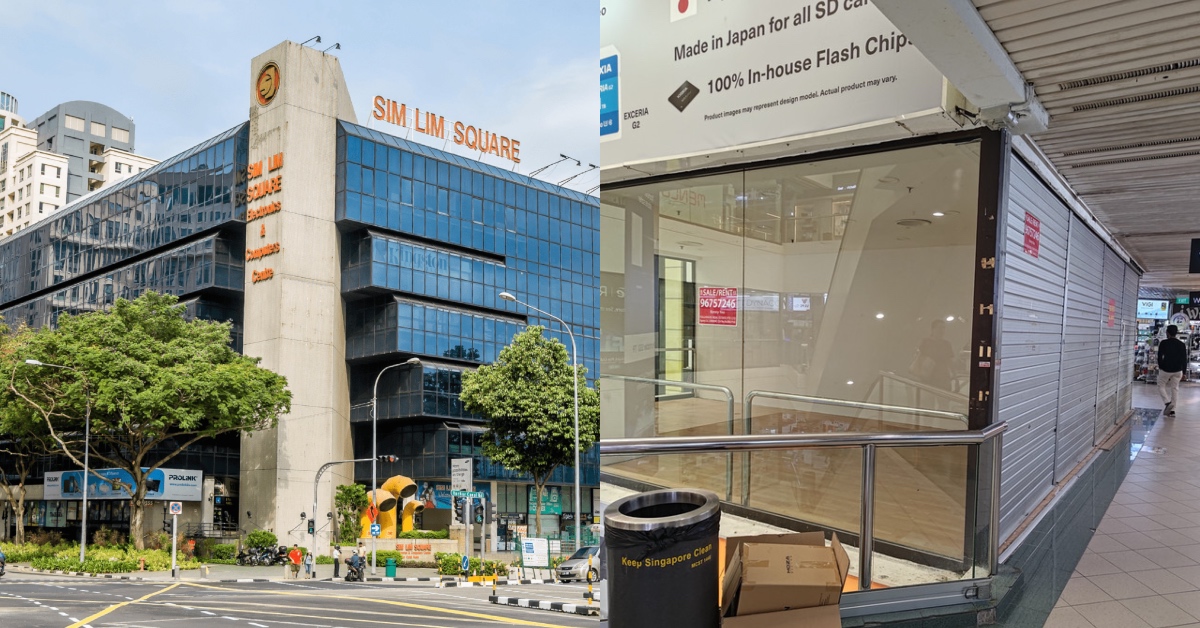

The Evolution and Future of Tech Retail: Lessons from Sim Lim Square
The rapid transformation of retail in the tech sector offers valuable insights into the broader landscape of consumer behavior and adaptation. Recently, Sim Lim Square in Singapore-a prominent hub for tech enthusiasts-has demonstrated the challenges faced by physical retail spaces in an increasingly digital world.
Walking through this once-thriving mall evokes nostalgia, but it’s evident that it struggles to keep pace with contemporary consumer expectations and behaviors. With many shops shuttered and foot traffic waning, it raises critical questions about the future of physical tech retail.
Contextual Overview
Sim Lim Square, long hailed as the go-to destination for PC enthusiasts and tech gadget seekers, has seen a significant decline due to the rise of e-commerce. Platforms such as Shopee and Lazada now offer unparalleled convenience, competitive pricing, and comprehensive buyer protection, changing the landscape for tech retail. As consumers gravitate towards online shopping, physical stores are increasingly relegated to serving as mere showrooms. Compounding these challenges are long-standing reputation issues that deter potential customers from engaging in in-person transactions.
Strategic Implications for Tech Retail
This situation serves as a microcosm for the broader architectural shifts in retail. For enterprises, understanding the dichotomy between online and offline capabilities is crucial. Retailers must now consider hybrid models that embrace both digital and physical sales strategies effectively.
The decline of Sim Lim Square underscores the core principle that retail innovation cannot afford to lag behind digital trends. A retail space that doesn’t adapt quickly to technological advancement and consumer expectations inevitably risks obsolescence. This necessitates rethinking business models and investing in digital infrastructure, from e-commerce platforms to savvy marketing strategies that resonate with a tech-savvy audience.
Additionally, the lingering reputation issues associated with shops in Sim Lim Square illustrate the importance of consumer trust. Companies must prioritize transparency and reliability to bridge the gap between traditional retail and online shopping. Implementing better oversight and enhancing customer service can help rebuild the necessary trust that has eroded over time.
Actionable Insights for CTOs and Founders
So, what do these evolving dynamics mean for current and aspiring leaders in the tech retail space?
-
Adopt Hybrid Strategies: Embrace a combination of online and offline engagement to cater to diverse customer preferences. This might involve leveraging brick-and-mortar locations for experiential activities while complementing them with robust online offerings.
-
Invest in Digital Presence: Retailers need to ensure an active and engaging online presence that provides consumers with easy access to products and services. This includes investing in SEO, social media, and targeted digital marketing strategies.
-
Foster Consumer Trust: Clear, transparent pricing, reliable product offerings, and excellent customer service should be non-negotiable. Brands that prioritize these elements will find stronger loyalty among consumers.
-
Reimagine Retail Spaces: Consider the potential for diversification of tenant mixes, perhaps introducing lifestyle experiences or integrating tech workshops within physical retail spaces to stimulate foot traffic and consumer engagement.
Looking Ahead
As we stand at this critical juncture in tech retail, the lessons from Sim Lim Square serve as a stark reminder that nostalgia cannot substitute for innovation. Brands that adapt and evolve in response to consumer behaviors will thrive, while those clinging to outdated models may fade into obscurity.
In our rapidly changing digital landscape, the ability to pivot, embrace new technologies, and prioritize customer trust will ultimately dictate the success of tech retail enterprises.
About the Author
Sanjeev Sarma is the Founder Director of Webx Technologies Private Limited, a leading Technology Consulting firm with over two decades of experience. A seasoned technology strategist and Chief Software Architect, he specializes in Enterprise Software Architecture, Cloud-Native Applications, AI-Driven Platforms, and Mobile-First Solutions. Recognized as a “Technology Hero” by Microsoft for his pioneering work in e-Governance, Sanjeev actively advises state and central technology committees, including the Advisory Board for Software Technology Parks of India (STPI) across multiple Northeast Indian states. He is also the Managing Editor for Mahabahu.com, an international journal. Passionate about fostering innovation, he actively mentors aspiring entrepreneurs and leads transformative digital solutions for enterprises and government sectors from his base in Northeast India.