
The Next Leap: Rethinking Consumer AI in the Shadow of Smartphones
I used to believe the arrival of generative AI would quickly revolutionize our daily lives. After witnessing the meteoric rise of tools like ChatGPT, excitement filled the air, and the allure of AI seemed poised to touch every facet of existence. Yet, three years have passed since that initial boom, and a sobering reality looms: while many AI startups boast successes in the business sector, consumer-centric applications remain largely unfulfilled. It’s as if we are waiting expectantly for a train that hasn’t quite left the station.
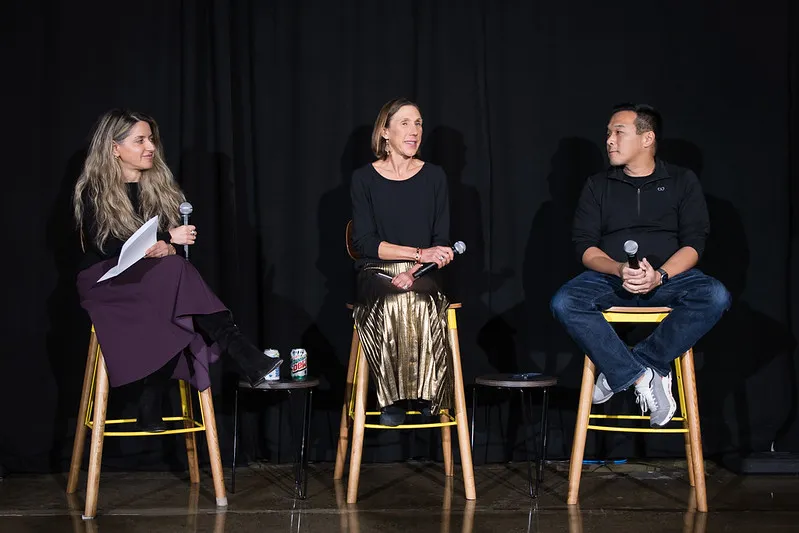
The landscape is reminiscent of the early smartphone era, as Chi-Hua Chien, managing partner at Goodwater Capital, noted recently. He likened the initial excitement over specialized AI applications-like those for video, audio, and photo creation-to the excitement surrounding third-party apps when the iPhone first launched. But just as those early applications were subsumed into the Apple ecosystem, the nascent consumer AI tools risk fading into obscurity as their pioneering spirit is eclipsed by the very platforms upon which they were built.
The crux of the current dilemma lies in the constraints presented by smartphones. These devices, the linchpins of modern consumer technology, may be too limiting for the ambitious potential of AI. Imagine trying to listen to the serene rustling of tea leaves in a Sualkuchi garden, only to find that your phone’s screen can barely capture the ambience of Northeast India. In today’s world, this disconnect is becoming increasingly palpable. The fact that smartphones can only see 3% to 5% of the experiences we engage in creates a chasm that’s difficult to bridge with conventional AI tools.
As Elizabeth Weil from Scribble Ventures incisively pointed out, consumer AI applications find themselves in an “awkward teenage middle ground.” They are agitated, eager for growth but blocked by the constraints of existing devices. This begs the question: what would it take for consumer AI to mature and reach its full potential? Perhaps, as Chien suggests, the answer lies not in enhancing our existing devices but in creating entirely new ones.
The tech giants are already on this path, each jostling for a place in the next era of consumer tech. OpenAI is rumored to be developing a “screenless,” pocket-sized device that could redefine personal interaction with AI. Meanwhile, Meta’s Ray-Ban smart glasses experiment with gesture control, making interaction feel more organic. Yet, the road is fraught with disappointments. Many startups have attempted to create novel wearables, like rings or pendants, designed to integrate AI into daily life, but these efforts have largely fallen flat.
However, not all potential consumer AI products necessitate new hardware. Imagine an “always-on” personal financial advisor that adjusts to your needs, transcending the limitations of a smartphone. And picture an immersive, personalized tutoring experience where AI reaches into the minds of learners, adapting to their specific styles and paces. Such innovations could thrive even within the confines of existing technology, reshaping consumer engagement in unprecedented ways.
Despite this excitement around potential use cases, skepticism persists. Chien raises an important point about emerging AI-powered social networks, suggesting that a platform driven by bot interactions risks transforming socialization into a solitary endeavor. The essence of social networking is its humanity-the shared experiences and connections that breathe life into our interactions. If AI applications begin to replace these human elements, the foundational joy of connecting could be lost, sacrificing authenticity at the altar of innovation.
In Northeast India, particularly in locales like Guwahati and Jorhat, we must also consider how these trends can be aligned with our unique local realities. The bustling tea gardens, traditional weavers, and innovative flood management initiatives present rich opportunities for localized AI solutions. The future of AI isn’t merely about replacing human interaction but enhancing it, becoming part of a broader ecosystem that respects and responds to our distinct cultural narratives.
As we stand at the cusp of a new era, waiting for consumer AI to mature, it’s crucial to shift our expectations-embracing not just the technology, but a vision that values local contexts and human connections.
Takeaways:
- The current consumer AI landscape echoes the early smartphone era, filled with potential yet constrained by familiar devices.
- New hardware solutions may redefine how we interact with AI, but existing technology can also be leveraged for innovative applications.
- The integration of AI should enhance human connections rather than replace them, ensuring that the essence of social interaction remains intact.
The truth is, we aren’t merely seeking the next great app; we’re yearning for a leap that blends technology with the essence of who we are.
About the Author
Sanjeev Sarma is the Founder Director of Webx Technologies Private Limited, a leading Technology Consulting firm with over two decades of experience. A seasoned technology strategist and Chief Software Architect, he specializes in Enterprise Software Architecture, Cloud-Native Applications, AI-Driven Platforms, and Mobile-First Solutions. Recognized as a “Technology Hero” by Microsoft for his pioneering work in e-Governance, Sanjeev actively advises state and central technology committees, including the Advisory Board for Software Technology Parks of India (STPI) across multiple Northeast Indian states. He is also the Managing Editor for Mahabahu.com, an international journal. Passionate about fostering innovation, he actively mentors aspiring entrepreneurs and leads transformative digital solutions for enterprises and government sectors from his base in Northeast India.