Unlocking the Truth: How Black Boxes Became Essential Lifelines in Airplane Crash Investigations

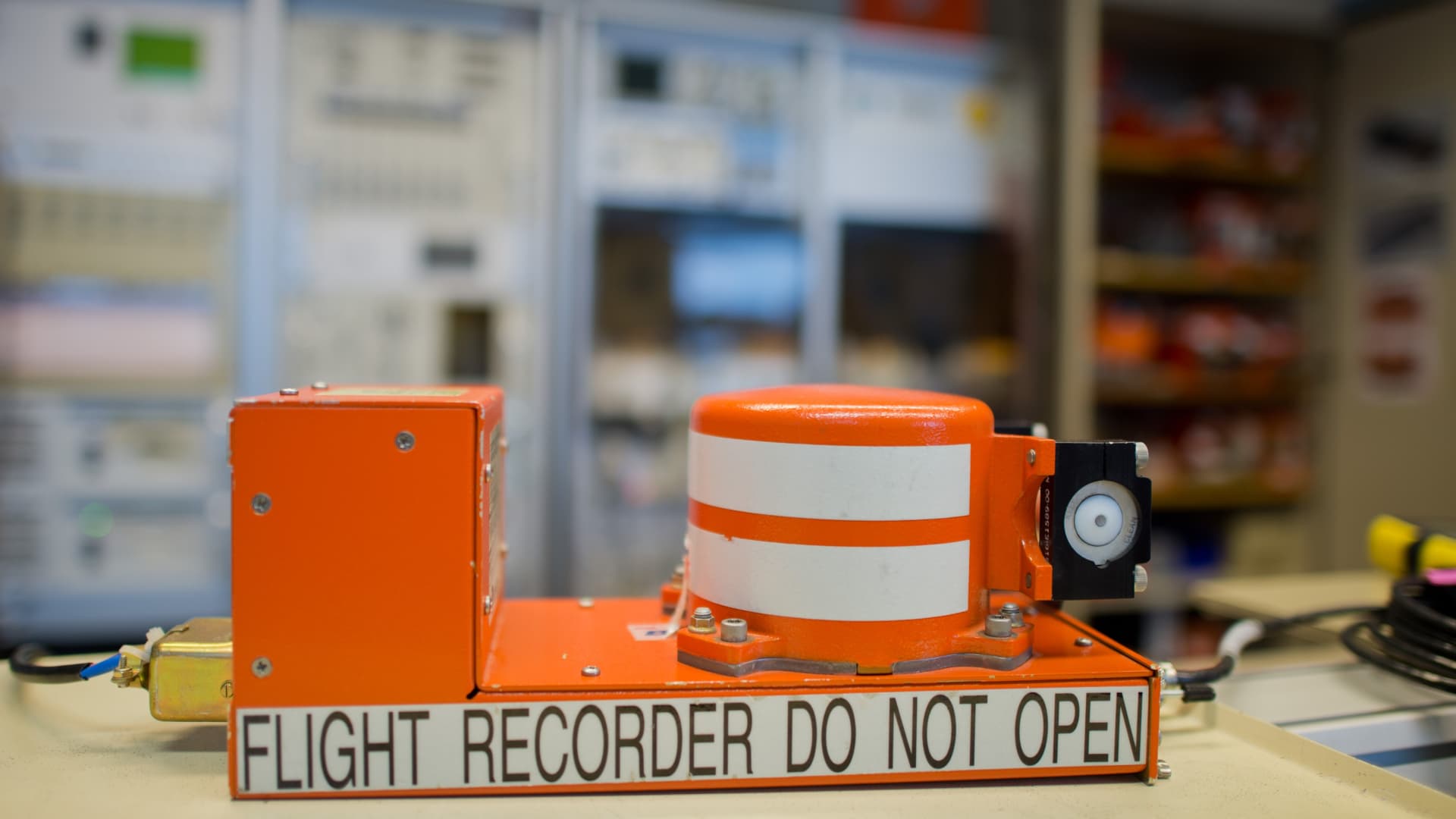
In the wake of tragic aviation accidents, such as last month’s crash of a UPS cargo plane shortly after its departure from Louisville Muhammad Ali International Airport in Kentucky, the focus inevitably shifts from rescue efforts to uncovering the crucial details behind the incident. Central to this investigation are the flight data and cockpit voice recorders, commonly referred to as “black boxes.” Every commercial aircraft is equipped with these vital devices, designed by aerospace leaders such as GE Aerospace and Honeywell to withstand extreme conditions, allowing investigators to piece together the events leading to a crash.
Chris Babcock, the branch chief of the vehicle recorder division at the National Transportation Safety Board (NTSB), emphasizes their importance, stating, “They’re very crucial because it’s one of the few sources of information that tells us what happened leading up to the accident.” With the rising complexity of modern commercial aircraft-like the Boeing 787 Dreamliner, which captures thousands of different data points-these devices provide invaluable insights. In the June crash involving an Air India flight, for instance, data showed both engine fuel switches were cut off within a second of each other, while cockpit recordings revealed the pilots were discussing these crucial actions.
According to former NTSB member John Goglia, “All of those parameters today can have a very huge impact on the investigation.” He added that delivering information quickly to on-scene investigators is vital for advancing the inquiry. Additionally, the information garnered from these recordings is instrumental in preventing future accidents. The financial stakes are significant, as a single crash can cost airlines and manufacturers hundreds of millions of dollars, while families bear the emotional burden for a lifetime.
However, there are occasions when black boxes are either destroyed or remain unaccounted for, underscoring the need for enhanced technology in aviation safety. Experts advocate for the introduction of cockpit video recorders and real-time data streaming to bolster the investigatory process. Aviation analyst Jeff Guzzetti, a former accident investigator for both the FAA and NTSB, states, “The technology is there. Crash-worthy cockpit video recorders are already being installed in a lot of helicopters and other types of airplanes, but they’re not required.” He points out the ongoing debate involving privacy and costs related to cockpit video but notes that the NTSB has been urging the FAA to mandate their installation for years.
As technology continues to evolve, the aviation sector faces both challenges and opportunities. The integration of advanced recording devices can enhance investigation outcomes and potentially save lives. For now, as families grieve and investigations unfold, the aviation community remains hopeful that lessons learned from past tragedies will guide future safety measures.
This ongoing dialogue around aviation safety technology highlights the paramount importance of rigorous investigation and accountability in preventing future accidents and safeguarding lives.
Original Source: https://www.cnbc.com/2025/11/30/black-box-airplane-crashes.html
Category :
Tags:
Publish Date: 2025-12-01 01:12:00