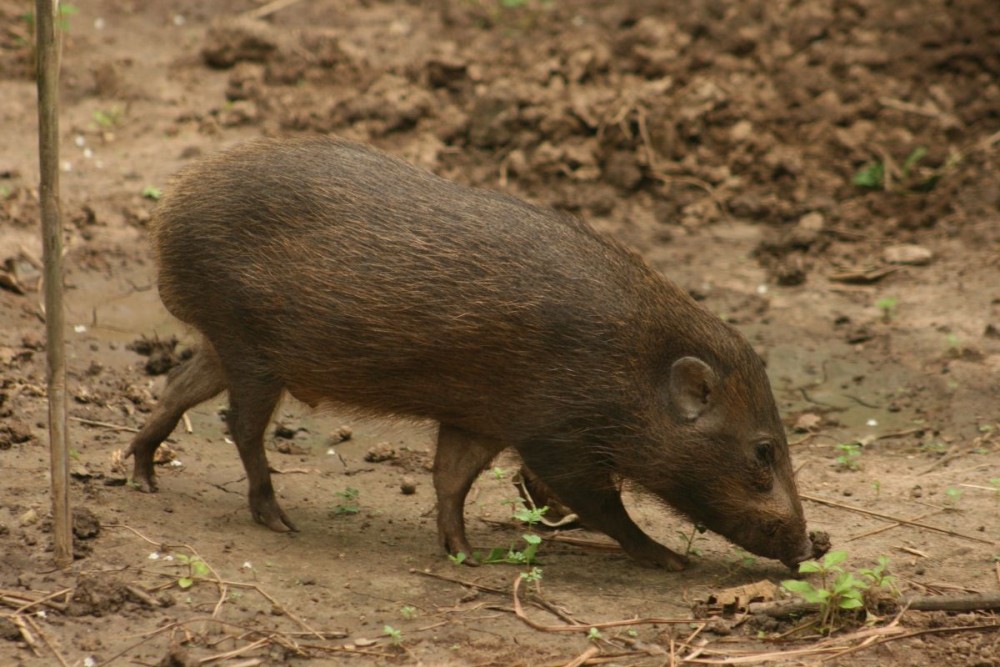

In the vibrant grasslands of Northeast India, a remarkable creature is changing the understanding of pig behavior-meet the Pygmy Hog (Porcula salvania). Standing just 10 inches tall, this small yet resourceful animal is not only an adept nest builder but also a daytime forager, representing the success of conservation efforts against significant environmental challenges.
Once found across the Himalayan foothills stretching from Uttar Pradesh to Assam, the population of the Pygmy Hog has plummeted due to habitat loss and hunting. Today, this ‘Critically Endangered’ species survives mainly in protected areas, notably Manas National Park in Assam. What distinguishes the Pygmy Hog is its impressive ingenuity; rather than creating random piles of grass, these hogs craft intricate nests with insulated walls and roofs to shield against the elements. These communal nests serve as nurseries, providing warmth and safety during the challenging monsoon season-a rare trait that highlights their adaptability.
While many pigs are nocturnal, Pygmy Hogs are active during the day, tirelessly foraging for roots, tubers, insects, and earthworms. Their unique diet is essential for maintaining their grassland ecosystem, aiding in seed dispersal and regulating insect populations. Although researchers are still unraveling the meanings behind their vocalizations, such as grunts and squeals, these sounds enable communication among family groups, adding to their mysterious nature.
Despite their remarkable adaptive traits, Pygmy Hogs face severe threats. Their grassland habitats are constantly under pressure from agricultural expansion, human encroachment, and overgrazing by livestock, which damage their delicate nests and disrupt their behaviors. Thankfully, the Pygmy Hog Conservation Programme (PHCP), launched in 1995 through collaborations with organizations like the Durrell Wildlife Conservation Trust and local NGOs, has been pivotal in reversing the species’ decline through captive breeding and habitat restoration.
Since its launch, over 179 captive-bred Pygmy Hogs have been released into the wild, with many now thriving in their natural habitats. The reintroduction process is carefully designed: conservationists provide nesting materials to teach these hogs essential survival skills, as well as introduce them to natural food sources. Recent camera trap studies have shown promising signs of success, including sightings of pregnant females in the wild, indicating effective breeding and adaptation.
Pygmy Hogs are not just intriguing animals; they are also vital indicators of ecosystem health. Their presence in Northeast India’s tall wet grasslands signals a thriving environment, supporting other endangered species like the Bengal florican and hispid hare, while providing crucial ecosystem services such as flood regulation and groundwater maintenance.
The conservation initiatives led by PHCP also emphasize the importance of engaging local communities in these efforts. By seeing the Pygmy Hog as part of their natural heritage, locals become stewards of the species’ future. Restoring grasslands is essential not only for the survival of the Pygmy Hog but also for securing long-term water resources for farming communities bordering Manas National Park.
The tale of the Pygmy Hog exemplifies the impact of conservation, reminding us that even the smallest creatures can significantly influence their environment. As Northeast India grapples with escalating environmental challenges-from habitat destruction to climate change-the Pygmy Hog emerges as a beacon of resilience and hope. Safeguarding its survival is crucial for preserving one of nature’s fragile ecosystems, ensuring that this unique species and the rich biodiversity that characterizes Northeast India’s natural heritage endure for generations to come.
Original Source: https://www.morungexpress.com/the-pygmy-hog-northeast-indias-tiny-survivor-and-nest-builder
Category: Public Space
Tags:
Publish Date: 2025-11-19 18:46:00