EU’s Bold Move: Crafting a Game-Changing Roadmap to Break Free from Chinese Rare Earths-What’s at Stake for Global Trade?

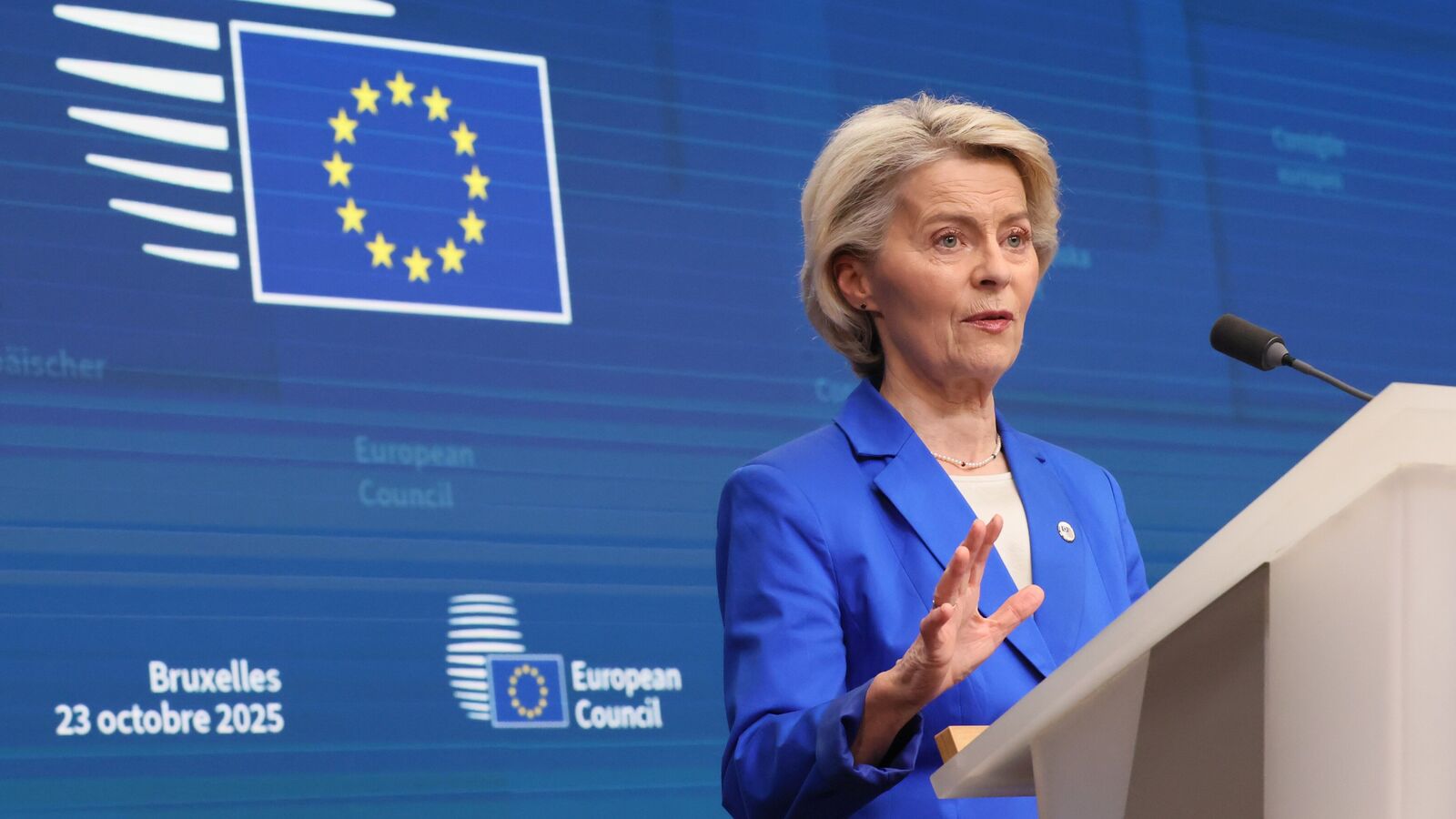
The European Union is ramping up efforts to reduce its dependence on China for rare earths, following recent restrictions imposed by Beijing on the exports of these critical materials. During the Berlin Global Dialogue conference on Saturday, European Commission President Ursula von der Leyen highlighted the escalating risks posed by China’s tightened export controls, which impact the supply of essential resources used in manufacturing everything from tech gadgets to everyday household items.
Von der Leyen noted that these restrictions represent a “significant risk” for Europe’s industrial sectors, as over 90% of its consumption of rare earth magnets currently comes from China. In response, she outlined a comprehensive strategy aimed at diversifying supply sources through enhanced partnerships with countries such as Australia, Canada, Chile, Greenland, Kazakhstan, Uzbekistan, and Ukraine. “The aim is to secure access to alternative sources of critical raw materials in the short, medium, and long term for our European industries,” she stated.
The EU’s approach includes not only establishing new international partnerships but also promoting domestic recycling of raw materials. Von der Leyen underscored the importance of adopting a green route to achieve these objectives, ensuring sustainability in accessing vital resources. The plan, dubbed ResourceEU, mirrors initiatives launched after the EU halted its energy purchases from Russia amidst the ongoing conflict in Ukraine.
Key components of the strategy include joint purchasing efforts and strategic stockpiling of rare earth materials, aimed at boosting investment in critical raw materials production and processing within the EU. Von der Leyen elaborated, “We will focus on everything from joint purchasing to stockpiling.” This proactive stance is intended to fortify Europe’s supply chains against future disruptions.
In the short term, von der Leyen emphasized the need to maintain collaborative efforts with Chinese partners to find solutions. This comes in light of escalating tensions highlighted not only by her comments but also by French President Emmanuel Macron’s recent call for the EU to consider applying the anti-coercion instrument (ACI) as a means of pressure against China. Designed as a deterrent, the ACI has yet to be utilized, but it could potentially respond to trade pressures exerted by third countries.
Amid these discussions, China has announced further restrictions on crucial rare earth materials, adding five new elements, including holmium and europium, to its already extensive list of controlled substances. This move has raised alarms across Europe, increasing the urgency of the EU’s strategic initiatives.
As the landscape of global trade continues to evolve, the EU is prepared to deploy all available resources and collaborate closely with G-7 partners to formulate a coordinated response to these growing challenges. “We are ready to use all of the instruments in our toolbox to respond if needed,” von der Leyen affirmed, signaling a commitment to safeguarding Europe’s industrial stability in an increasingly uncertain geopolitical climate. The outcome of these efforts will be pivotal in shaping the future of Europe’s critical raw materials landscape and its overall economic resilience.
Original Source: https://www.livemint.com/news/world/eu-scrambles-to-chalk-out-roadmap-to-end-reliance-on-chinese-rare-earths-whats-the-plan-how-will-it-affect-trade-11761391353220.html
Category :
Tags:
Publish Date: 2025-10-25 17:26:00