Unlock Nature’s Beauty: Attract Birds, Butterflies, and More with HYDRAA’s Expert Tips to Rejuvenate Hyderabad’s Lakes!

A vibrant celebration of Bathukamma took place recently at the rejuvenated Bathukamma Lake in Hyderabad, an event greatly admired by both locals and tourists. This revitalization project, undertaken by the Hyderabad Disaster Response and Asset Protection Agency (HYDRAA), is part of a broader initiative that plans to restore six lakes so far, with proposals for 14 more in the pipeline. As the agency draws attention to its efforts, advocates for biodiversity restoration are urging authorities to adopt proactive measures to enhance the local ecosystem.
Experts, including botanists, emphasize the need to introduce native tree species into the area to support local wildlife such as birds, butterflies, and terrapins. Chemela Srinivas, a professor of Zoology at Osmania University, stressed the importance of a scientific approach to ecosystem recovery, warning that without careful planning, invasive species could disrupt local habitats.
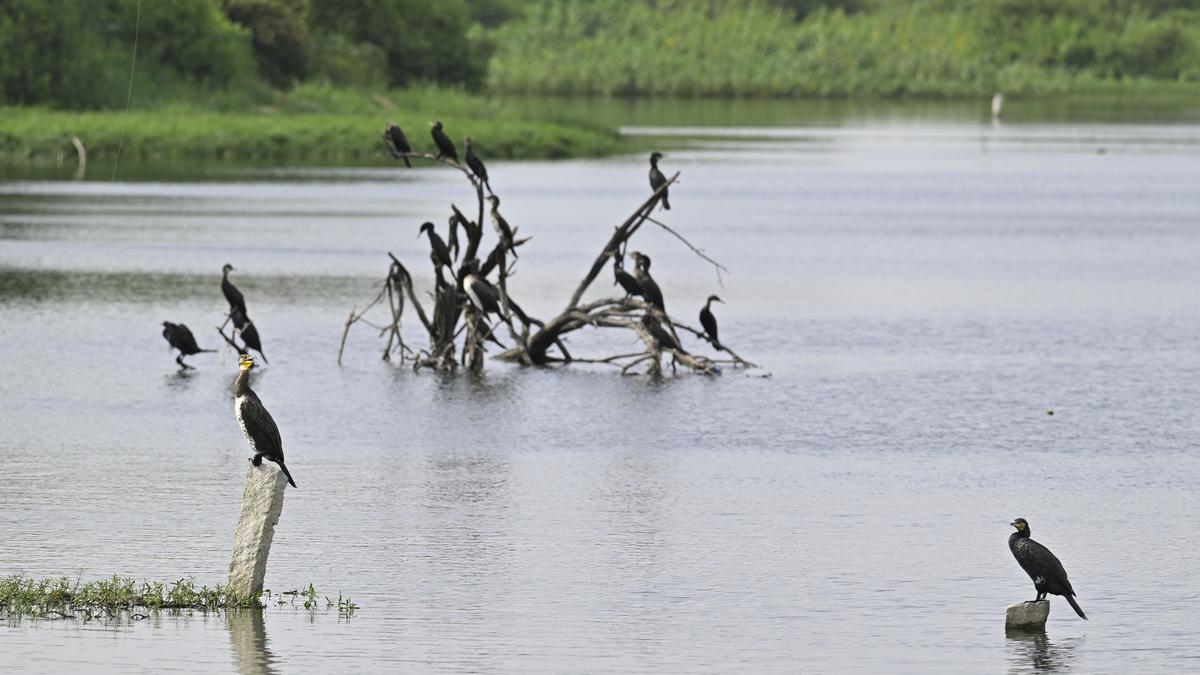
Recent findings by birdwatchers contributing to the Hyderabad Bird Atlas reveal that city water bodies face significant challenges. These include pollution from plastic waste, encroachment near water bodies, and the proliferation of invasive water hyacinth, which threatens aquatic diversity and hampers the wellbeing of water birds. The birdwatchers recommended increasing local flora to foster a more vibrant avian population.
Specific challenges identified include plastic pollution, waste dumping, and habitat fragmentation caused by encroaching construction. Proposals from the Hyderabad Bird Atlas, developed by Hyderabad Birding Pals, Deccan Birders, and WWF-India, include maintaining natural vegetation belts along lake edges, improving waste management systems, and controlling invasive species like water hyacinth.
To further enhance local habitats, suggestions include planting native aquatic vegetation and creating safe environments for birds, such as small islands or floating platforms. Engaging the community in these efforts is crucial for sustainable improvements.
Dr. L. Rasingam, a scientist at the Botanical Survey of India, highlighted several native tree species that could attract birds and restore biodiversity: Syzygium cumini (Jamun), Mangifera indica (Mango), Phyllanthus emblica (Amla), and Bombax ceiba (Silk Cotton), among others. WWF-India’s State Director, Farida Tampal, noted the importance of promoting aquatic plants such as Cyperus and Typha to foster a flourishing ecosystem around lakes.
Sriram Reddy, a core member of Hyderabad Birding Pals, mentioned that native flowering and fruit-bearing trees near water bodies can attract diverse bird species, indicating a thriving ecosystem. He recommended species like Ficus, Neem, and Tamarind for their ecological benefits and attractiveness to birds.
As Hyderabad embarks on this ambitious journey of lake rejuvenation and biodiversity restoration, the collective efforts of environmentalists, researchers, and community members will be vital to overcoming the current challenges. The integration of native flora will not only support local wildlife but also enrich the surrounding environment for generations to come.
This collaborative approach aims not just to celebrate the beauty of nature but also to ensure the sustainability of Hyderabad’s rich biodiversity as environmental advocacy continues to gain momentum in the city.
Original Source: https://www.thehindu.com/news/cities/Hyderabad/how-to-attract-birds-butterflies-and-other-beings-experts-suggest-measures-as-hydraa-rejuvenates-hyderabads-lakes/article70112984.ece
Category : Hyderabad
Tags:
Publish Date: 2025-10-01 13:53:00