Unlocking Longevity: Heartwarming Secrets Behind Maria Branyas Morera’s Remarkable 117 Years Revealed by DNA Study

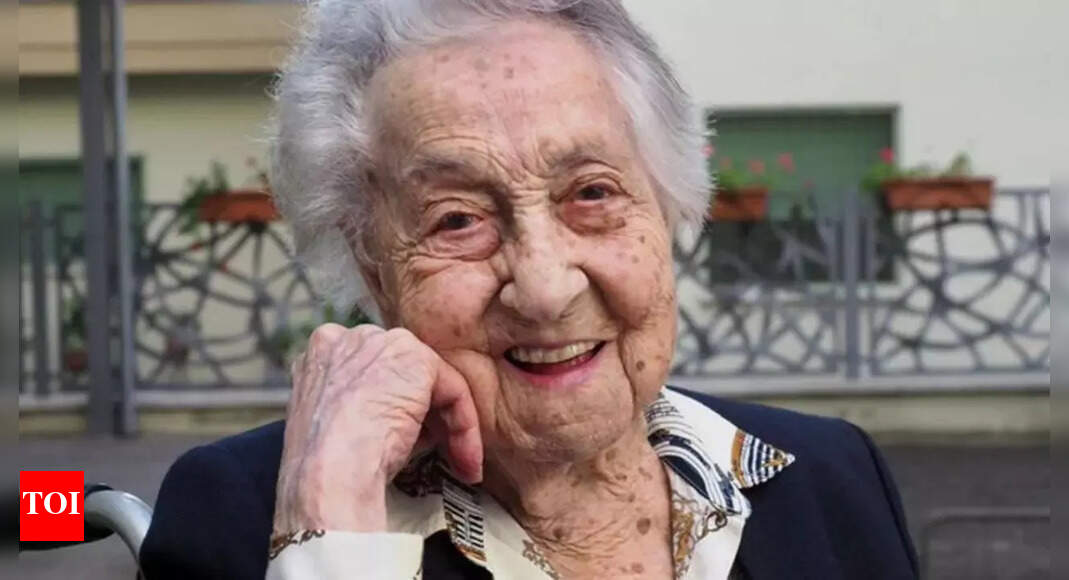
Maria Branyas Morera, recognized as the world’s oldest person before her passing at 117 years old in August 2024, left behind much more than a remarkable age; she offered insights into the science of longevity. Her life sparked significant scientific curiosity, prompting researchers to explore the biological treasures her body might reveal about aging and health.
A recent study published in Cell Reports Medicine delved into Branyas’s unique biology. Researchers identified her genome as exhibiting behavior typically associated with younger individuals, suggesting that rare genetic variants contributed to her longevity, robust immunity, and cardiovascular health. This deep investigation was made possible thanks to her voluntary contribution of blood, saliva, urine, and stool samples before her death, which Spanish scientists from the Josep Carreras Leukaemia Research Institute meticulously analyzed.
The findings indicated that many of Branyas’s cells functioned as though they were decades younger. She enjoyed optimal cardiovascular health, with inflammation levels notably low and cholesterol levels favorably balanced, featuring exceptionally high “good” cholesterol. Such biological resilience helps explain how she outlived the average life expectancy for women in Catalonia by over 30 years.
Branyas’s lifestyle choices also played a crucial role in her extended longevity. Adhering to a traditional Mediterranean diet, she favored probiotics and reportedly consumed three yogurts daily. She led an active life free from smoking and alcohol, fostering not just physical, but social and mental engagement. As lead researcher Manel Esteller noted, “The clues for extreme longevity are a mix between what we inherited from our parents and what we do in our lives.”
However, the study revealed unexpected findings regarding Branyas’s health markers. Her telomeres-protective caps on chromosomes that usually shorten with age-were found to be remarkably eroded, a condition often associated with increased disease risk. Yet, in her case, this shorter telomere length did not correlate with poor health, leading researchers to surmise that telomeres may reflect biological age rather than overall wellness. Some speculate that her short telomeres may have even contributed to a slower cancer progression within her body.
The researchers, including epigeneticists Eloy Santos-Pujol and Aleix Noguera-Castells, cautioned that while Branyas’s exceptional case offers valuable insights, their conclusions should not be generalized. They emphasized that more comprehensive studies comparing supercentenarians with those of typical lifespan could uncover further insights into longevity.
Branyas’s story is a powerful reminder that aging does not have to be synonymous with decline. Blending favorable genetics with a nurturing lifestyle, she exemplified the potential for humans to live longer, healthier lives. The hope among scientists is that this unique case will guide future inquiries into aging, ultimately aiming to enhance both longevity and quality of life for future generations.
Original Source: https://timesofindia.indiatimes.com/life-style/health-fitness/health-news/how-did-maria-branyas-morera-worlds-oldest-person-117-live-so-long-dna-study-reveals-clues/articleshow/124140145.cms
Category :
Tags:
Publish Date: 2025-09-26 07:15:00