Trump’s Bold Move: 100% Tariff on Branded Drugs to Drive Local Manufacturing and Protect American Jobs!

President Donald Trump announced a significant policy shift on Thursday, declaring that the U.S. will impose a 100% tariff on “any branded or patented pharmaceutical product” entering the country starting October 1. This move is part of an effort to encourage drug companies to relocate manufacturing operations back to the U.S. As part of this new initiative, companies that are actively building drug production facilities in the U.S. will be exempt from these tariffs. Trump clarified in a statement on Truth Social that this exemption applies to projects that have already broken ground or are currently under construction.
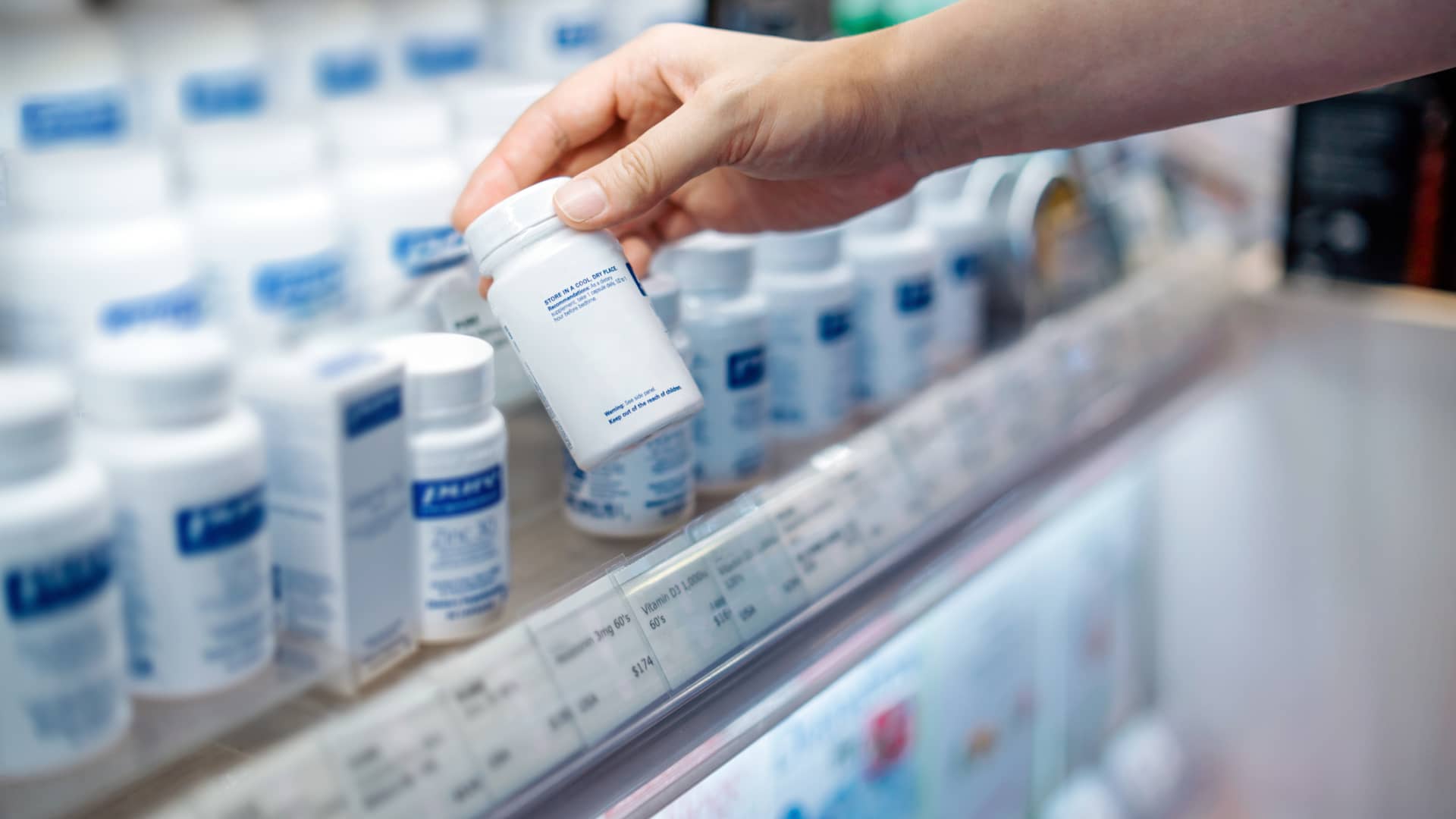
Branded and patented pharmaceuticals are drugs that are sold under trademarked names and protected by intellectual property laws, preventing cheaper generic alternatives from entering the market until patent protections lapse. The President has expressed that these tariffs aim to incentivize major pharmaceutical companies to base their manufacturing operations domestically, a trend already being pursued by firms such as Eli Lilly, Johnson & Johnson, and AbbVie amid a worrying decline in domestic drug manufacturing over the past few decades.
However, as the U.S. imports of pharmaceuticals nearly tripled in the last decade to approximately $213 billion in 2024, experts warn that such tariffs could have detrimental effects on the drug supply chain. The Trump administration has previously launched a Section 232 investigation to assess the impact of pharmaceutical imports on national security, a tactic that the President has employed for other goods, including automotive parts and aluminum.
Many pharmaceutical companies are voicing concerns regarding these tariffs, claiming they could significantly drive up costs, deter future investments, and disrupt the critical drug supply chain, ultimately posing risk to patient care. In public comments to the government, Eli Lilly warned that the tariffs would “deprive manufacturers of necessary capital to innovate and invest in reshoring.” They were among the numerous companies that provided feedback during the Department of Commerce’s investigation into the pharmaceutical industry.
Health policy specialists echo these concerns, suggesting that the tariff initiative might lead to heightened drug prices and exacerbate existing medication shortages. This reliance on a global manufacturing network complicates production processes, and experts stress that the current climate aims to reduce, not increase, prescription costs-an objective that could be undermined by the tariffs.
While these levies are less severe than the up to 250% tariffs previously proposed by Trump, they still represent a substantial burden on the industry, which is grappling with various drug pricing policies that threaten both profitability and investment in research and development. As the Department of Commerce initiates further investigations into imports of other critical goods, including medical devices and personal protective equipment, the complexity of reshaping the pharmaceutical supply chain remains a point of contention.
Analysts caution that revitalizing U.S. pharmaceutical manufacturing could prove costly and time-consuming, arguing that companies are unlikely to make rapid shifts back home. However, firms like Johnson & Johnson recently announced major investments aimed at bolstering U.S. manufacturing capabilities, reflecting a nuanced landscape, where some firms may be better positioned to adapt than others.
By examining the potential consequences, it’s clear that the new tariffs could alter the dynamics of the pharmaceutical industry, with leading companies navigating a shifting policy landscape that may compel them to reassess their production strategies.
Original Source: https://www.cnbc.com/2025/09/26/us-to-impose-100percent-tariff-on-branded-patented-drugs-unless-firms-build-plants-locally-trump-says.html
Category :
Tags:
Publish Date: 2025-09-26 10:55:00