Unrest in Paradise: Protests Erupt in Spain and Mexico as Travelers Face Growing Overtourism Anger

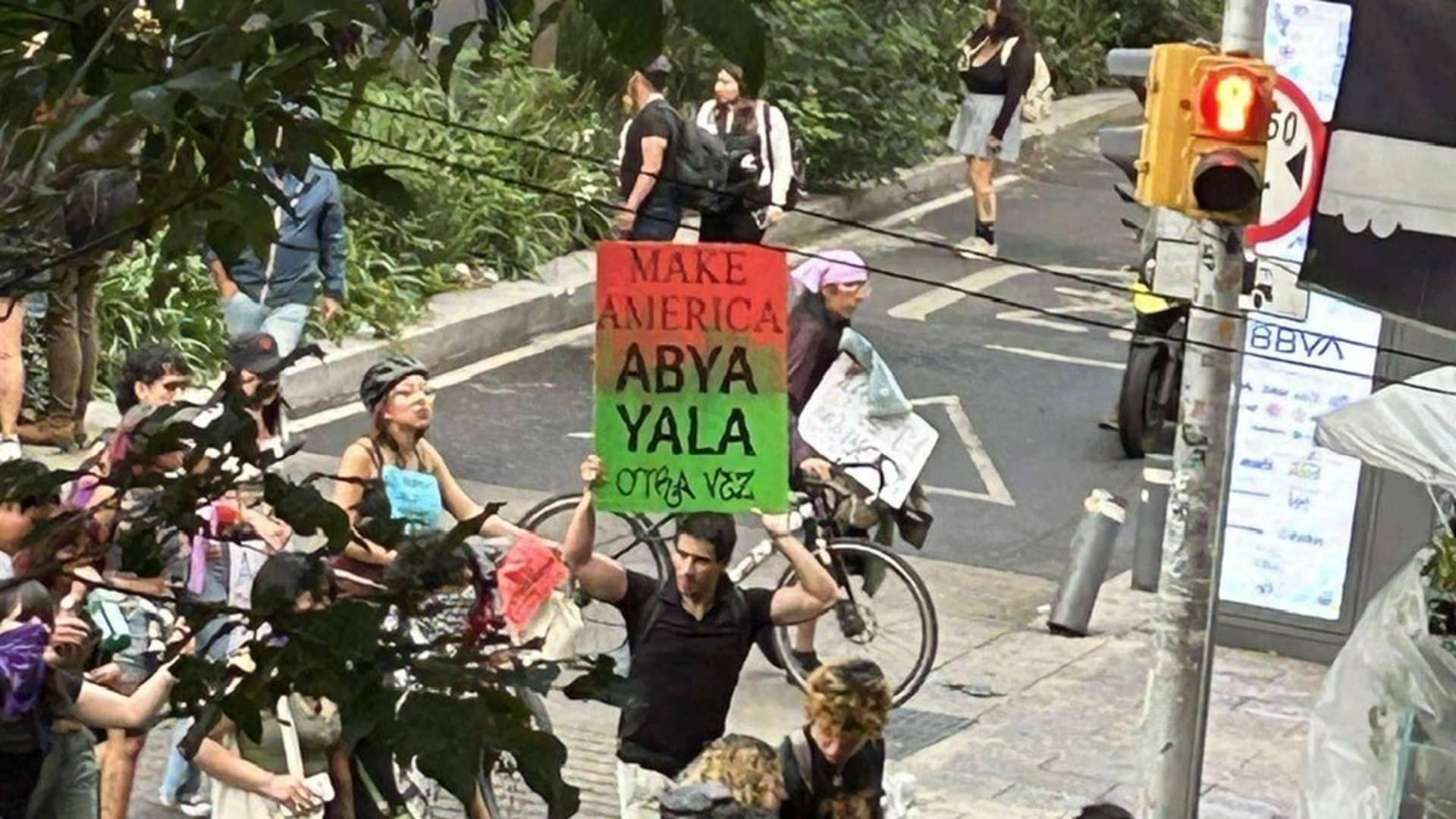
Nan Palmero and his wife were enjoying a rehearsal dinner in Mexico City’s vibrant Roma Norte neighborhood ahead of their friends’ wedding when they heard a “rumbling” outside. Gazing out from the restaurant’s second floor, Palmero spotted a large crowd marching through the streets, some brandishing placards and shouting, “Gringos leave!” Following the event, he learned that protesters had vandalized several local establishments, including the car of their wedding planner, a resident who had her vehicle damaged and spray-painted. Palmero, who often travels from San Antonio, Texas, noted that rising living costs in popular areas have sparked discontent among locals, especially as an influx of digital nomads and tourists has driven up prices.
Reflecting on the situation, Palmero remarked that he was unaware of organized protests against tourists, likening them to similar movements he had encountered in cities like Barcelona. He expressed empathy for residents who, eager to experience diverse cultures, inadvertently impact those very communities negatively.
As tourism levels return to, or surpass, pre-pandemic numbers, protests against tourists have become more common. Bernadett Papp, a senior researcher at the European Tourism Futures Institute, noted that many residents, having briefly enjoyed less tourist congestion during the pandemic, are frustrated by the resurgence of crowds. Protests serve as a means to raise awareness and encourage government action, particularly in cities like Barcelona and Amsterdam, where residents increasingly feel ignored in tourism policymaking.
Tatyana Tsukanova, a visiting professor at EHL Hospitality Business School, explained that residents’ grievances typically evolve from initial tolerance to confrontation as overtourism escalates. This frustration often culminates in protests where tourists become scapegoats. Recent demonstrations in Barcelona saw protesters using various tactics, from throwing objects at tourists to blocking sidewalks and hotel entrances, all under the banner of “Tourists go home.”
While tourists are often perceived as the main issue, the underlying cause lies in policy gaps regarding tourism management. Tsukanova pointed out that direct confrontations can momentarily deter travelers, but these effects tend to be short-lived. In Spain, for instance, tourist arrivals actually increased by 4.1% following widespread protests in 2024.
Despite the short-term enthusiasm for protests, the long-term impact remains questionable. Many protests do generate awareness regarding local issues, prompting tourists to reconsider their accommodation choices. However, cities responding to protests often resort to superficial, symbolic policies that do little to address root problems, thereby perpetuating negative perceptions of tourism.
Experts suggest that municipalities should consider stricter regulations on short-term rentals and higher taxes on tourists to improve local living conditions. Current discussions around “regenerative travel” emphasize the importance of involving local communities in tourism development. Doug Lansky, a travel writer focused on sustainable tourism, echoed this sentiment, stating that enhanced local engagement in tourism policymaking could prevent the need for protests.
He proposes “managed tourism,” where measures like timed entries to attractions and visitor caps could be introduced to safeguard local interests. While this approach may lead to less spontaneous enjoyment for travelers, Lansky believes that such changes could create a more balanced experience for everyone involved, ultimately benefiting both tourists and the communities they visit.
Original Source: https://www.cnbc.com/2025/09/03/protests-in-spain-mexico-target-travelers-as-overtourism-anger-grows.html
Category :
Tags:
Publish Date: 2025-09-03 04:39:00