Unleashing Matcha Mania: Transform the Green Powder into Golden Success and Ultimate Well-Being!

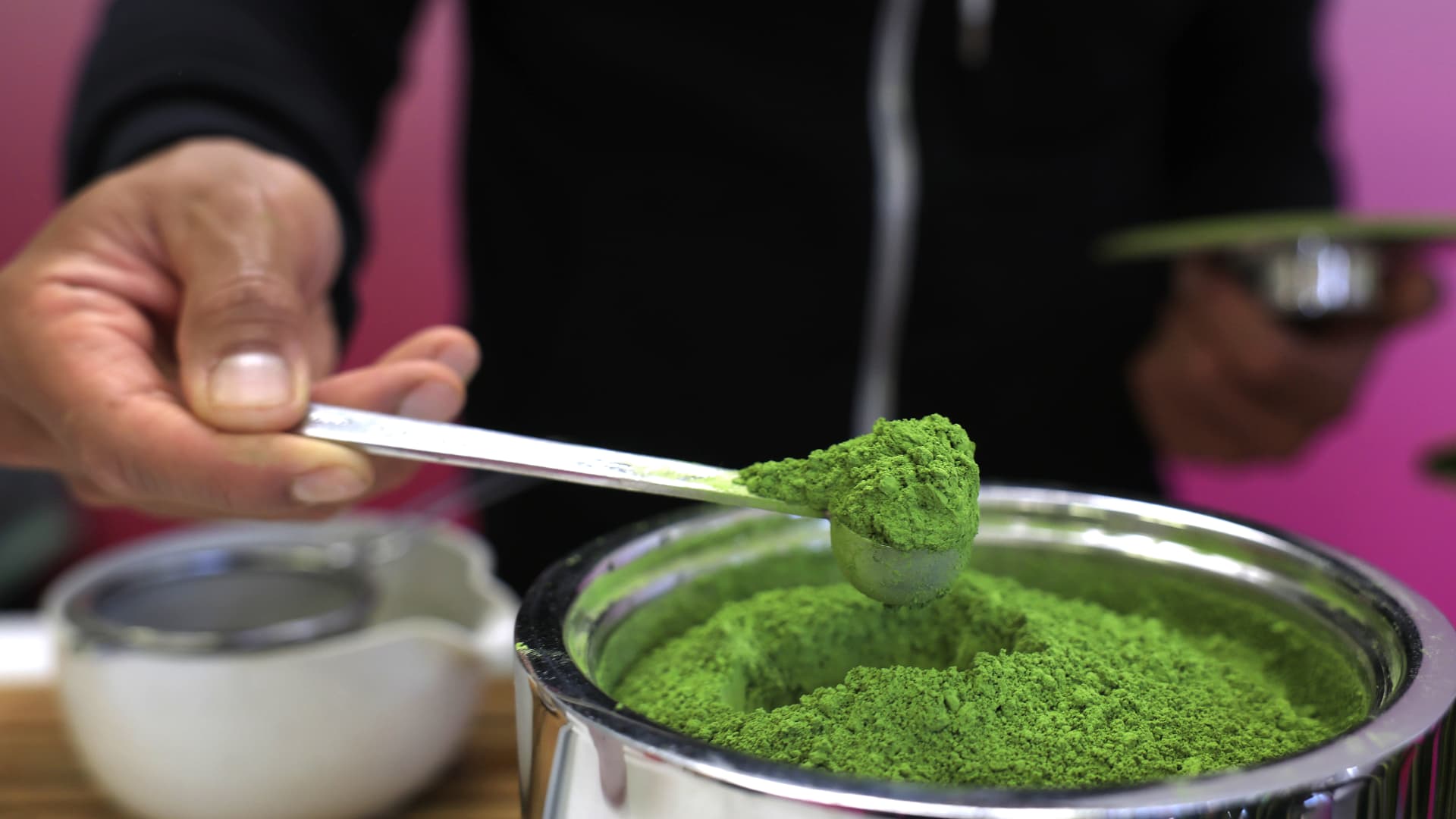
A recent surge in matcha’s popularity is causing a global shortage, sparked by burgeoning demand and limited production in Japan, where premium matcha is cultivated. This trend has transformed local cafes and retailers, with Chitose Nagao, a former advertising executive, reaping the rewards at her shop, Atelier Matcha, in Tokyo. Lines form daily outside her doors, and by afternoon, her shelves are emptied of matcha powder as a mix of local and international customers flock to try her unique creations.
Nagao attributes her success to a strategic partnership with Marukyu Koyamaen, a time-honored tea producer in Kyoto with a 300-year legacy. “When I learned that their tea was going unsold during the pandemic, I wanted to help,” she explained. Since launching her business four years ago, she has expanded to multiple locations, including one in Vietnam and a new store set to open in Cebu City, Philippines.
Japan has a rich history with matcha that dates back to the 12th century, mostly enjoyed in traditional tea ceremonies that require only a small quantity of powder. However, the recent explosion of matcha’s reputation as a health-enhancing superfood, largely propelled by social media platforms like TikTok, has drastically increased demand. Following the post-pandemic tourism boom, the price of matcha has soared. According to Japan’s Ministry of Finance, the country exported 36.4 billion yen ($247 million) of green tea last year, a fourfold increase over the past decade, with 44% shipped to the United States, primarily as matcha.
To combat the strain on Japan’s aging agricultural workforce, the government is considering financial incentives to encourage farmers to allocate more land for tencha, the tea variety used to produce matcha. While tencha farming is more lucrative, it is also more labor-intensive, needing careful management to protect the delicate buds from sunlight. This presents a challenge, as many growers find it difficult to recruit sufficient labor to harvest and process the leaves.
At a recent auction in Kyoto, tencha prices skyrocketed by 170% to 8,235 yen per kilogram, according to the Global Japanese Tea Association, surpassing the previous record set in 2016. Many retailers are witnessing skyrocketing matcha prices, doubling in just one year and making it harder to find even in major cities like Tokyo. In response, shops are instituting purchase limits to preserve their stock and deter hoarding, while matcha remains a sought-after souvenir for the influx of tourists visiting Japan.
Companies such as Kaminari Issa, which specializes in a range of matcha products from beverages to desserts, report that requests for bulk orders of matcha have become commonplace. Despite the popularity, staff like Miku Sugawara express concern about managing their limited supply amidst rising demand and extreme weather conditions possibly impacting future harvests.
As competition intensifies, Ito En, the largest bottled green tea producer in the world, has established a dedicated division for matcha, forecasting an 11% growth in overseas sales this year. However, they predict price increases ranging from 50% to 100% on select items. With current contracts ensuring a steady supply of regular green tea, they face hurdles in scaling up production of tencha, as many farmers remain cautious about committing to increased cultivation.
For Nagao, conveying the variety of matcha to customers is vital, as she emphasizes that even premium-grade matcha isn’t necessary for every recipe, saying, “Hojicha” is appealing too, highlighting her store’s versatility. As the global matcha craze continues to intensify, the future remains uncertain, but for now, demand shows no signs of slowing.
Original Source: https://www.cnbc.com/2025/08/31/matcha-mania-turns-the-green-powder-into-gold.html
Category :
Tags:
Publish Date: 2025-08-31 13:27:00