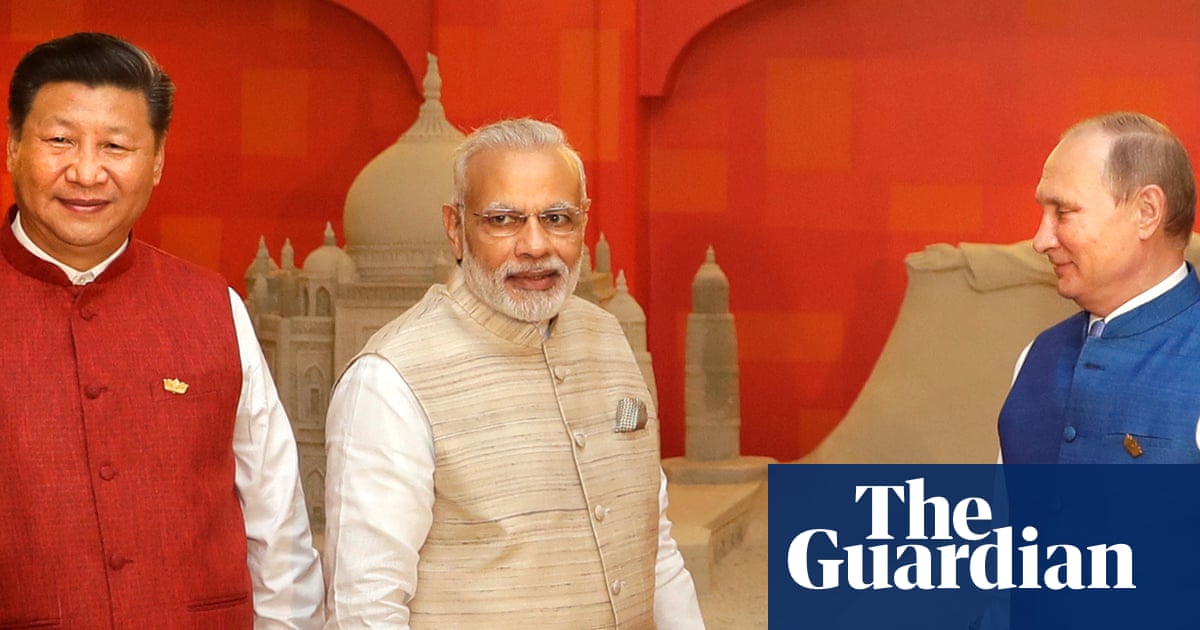

Indian Prime Minister Narendra Modi is set to arrive in China this weekend for his first visit in seven years, joining Chinese President Xi Jinping and Russian President Vladimir Putin at a pivotal regional security summit in Tianjin. This visit comes at a time when relations between India and the United States have soured, following the recent doubling of tariffs on Indian exports to 50% by Washington, which cites India’s ongoing purchases of Russian oil as a crucial factor.
The U.S.-India partnership has faced significant strain, particularly as India continues to engage with Russia despite the ongoing conflict in Ukraine. Michael Kugelman, a South Asia analyst, remarked, “Indian trust in the U.S. is shattered,” highlighting the risk of further erosion in diplomatic relations. The tariff increase is economically significant, affecting approximately $60.2 billion of Indian goods exported to the U.S. annually, impacting labor-intensive sectors like textiles and jewelry.
As Modi’s visit coincides with this contentious backdrop, the Shanghai Cooperation Organisation summit, beginning Sunday, offers a strategic platform for India. Kugelman noted the opportune timing, pointing out that as India revitalizes its relationship with China, the U.S.-India dynamic continues to deteriorate, providing China with a diplomatic advantage. Analysts like Manoj Kewalramani suggest there may be individuals in China who are taking pleasure in the ongoing trade tensions between India and the U.S.
While Modi is expected to engage with Xi on boosting trade and investment, the larger geopolitical implications remain at the forefront. Kugelman anticipates that the summit may allow Russia to reaffirm its close ties with India, seizing the moment to critique U.S. policy. U.S. officials have criticized India for its reliance on Russian energy, contending that these purchases indirectly support Moscow’s actions in Ukraine.
India has defended its position, emphasizing that its reliance on Russian oil is crucial for maintaining energy stability in a large, developing economy. Modi has attempted to navigate a balanced path regarding the Ukraine conflict, seeking peace but avoiding a direct condemnation of Russia.
The tariff imposition has catalyzed India to explore alternative partnerships. The government has initiated an export drive to 40 countries, aiming to regain momentum in the textile sector. Additionally, Modi’s recent visit to Tokyo for the India-Japan summit underscores an intent to strengthen defense and technology ties, signaling that India can mitigate the impact of reduced U.S. access.
Japanese investments are projected to increase dramatically in India, as companies commit to substantial financial contributions. Modi has described India and Japan as “partners made for each other,” emphasizing collaboration in sectors like critical minerals and advanced manufacturing.
Despite historical tensions, especially along the disputed Himalayan border, there appears to be a shared desire among India and China for a new equilibrium. Kugelman notes that while structural breakthroughs are unlikely, fostering stability could yield practical benefits for both nations.
As Modi prepares to meet Xi, the imagery of the three leaders at the summit will likely send a powerful message to Washington, navigating the complexities of international relations while balancing the need for energy security and global economic partnerships. As the geopolitical landscape evolves, India’s foreign policy continues to adapt, presenting a crucial moment for Modi on the global stage.
Original Source: https://www.theguardian.com/world/2025/aug/29/india-china-relations-modi-to-meet-xi-putin-first-china-trip-seven-years-us-tariffs
Category :
Tags:
Publish Date: 2025-08-29 16:17:00