Why Summer Travel Woes Are Shattering Airline Dreams: The Emotional Struggle of Modern Journeys

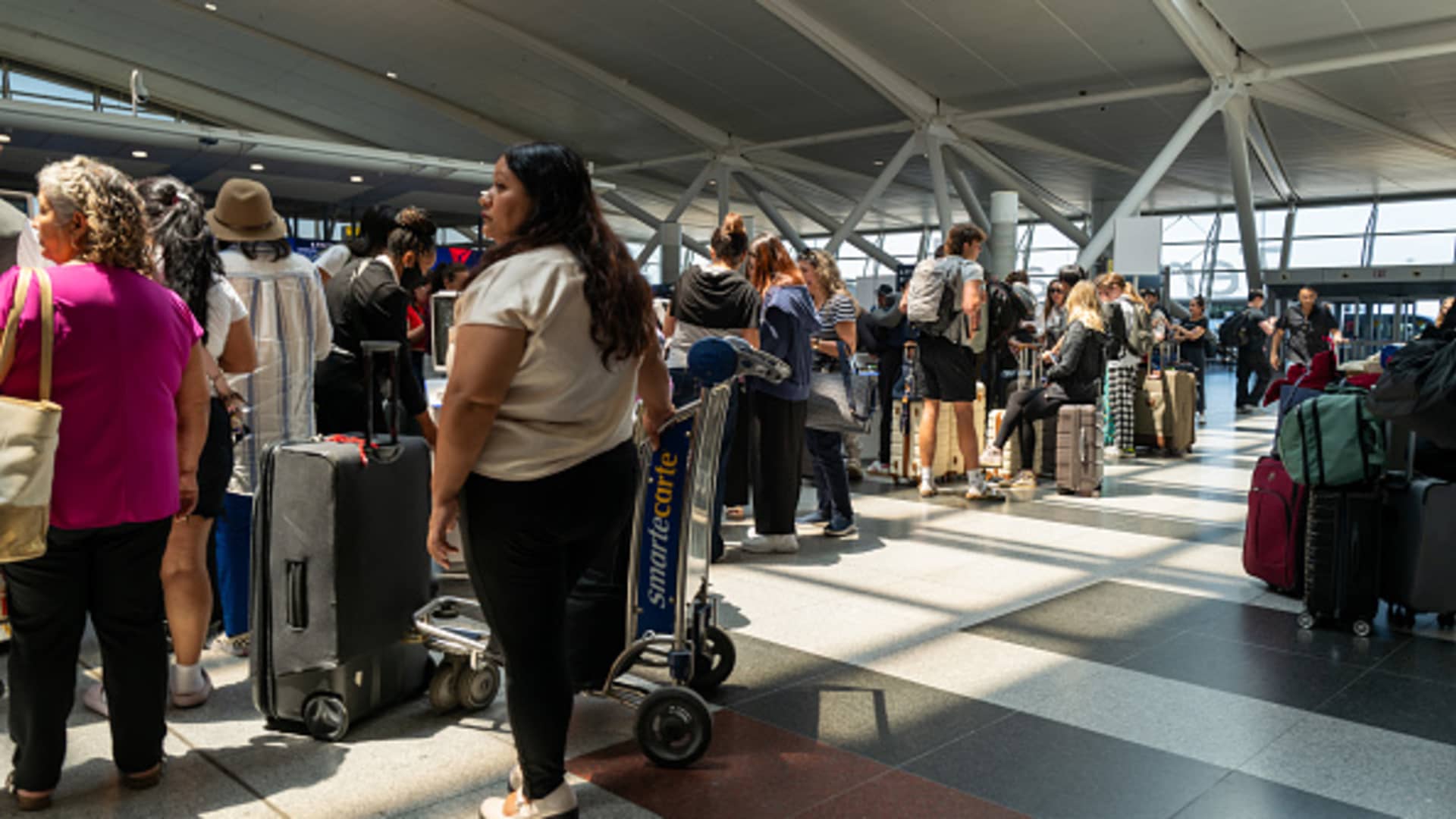
Crowded terminals at JFK International Airport, bustling with travelers just days before the 4th of July, set the stage for a summer travel season marked by delays and congestion. Millions of Americans and tourists are navigating crowded airports, train stations, and highways, with July emerging as the busiest travel month in the United States.
However, making profitable summer travel has become increasingly difficult for airlines. In response to varying traveler behaviors, carriers have reduced their flight schedules for August. Many passengers are opting to travel earlier in the season, with schools letting out sooner, while demand for European flights is shifting from peak summer to the fall. This evolving landscape has led airlines-ranging from Delta to Southwest-to reassess their strategies for the busy July and August period.
Despite the expectation that summer would yield substantial profits, industry leaders have grown cautious. As costs have increased since the pandemic, airlines are now meticulously adjusting their schedules to align with demand, which has proven to be somewhat unpredictable. Recent reports indicate a 6% reduction in domestic flight capacity in August compared to July, according to aviation data firm Cirium, marking a shift from the mere 0.6% capacity decline between these months in 2023.
The increase in airfare, which rose 0.7% in July compared to last year, can be attributed to these capacity cuts, as airlines work to maintain their profitability amid shifting demand patterns. Many carriers had previously slashed prices to attract customers during peak travel times, but expectations have since adjusted downward, particularly for 2025.
Travelers are also becoming increasingly reliant on last-minute bookings, as noted by JetBlue Airways President Marty St. George, who reported a surge in Memorial Day bookings occurring later than usual. “People seem to be waiting longer to make final decisions,” he said, emphasizing a significant shift in booking behaviors.
Looking ahead, airlines are already planning for the next year to adapt to these changing travel trends. With public schools across the country returning earlier and letting out earlier than ever, airlines like American Airlines are adjusting their schedules in response. “We’re shifting our entire summer schedule change to a week before Memorial Day,” said Brian Znotins, American Airlines’ vice president of network planning.
Southwest Airlines also modified its summer schedule, concluding it earlier than the previous year. While American Airlines reported a 6% drop in August seat availability compared to July, there’s a glimmer of hope as booking patterns appear to be improving, hinting at a potential balance between supply and demand in the weeks ahead.
Savanthi Syth, an airline analyst at Raymond James, acknowledged that it’s unusual for airlines to trim summer schedules before the peak season concludes, but she remains optimistic about growing demand and improved fare conditions as more customers gain confidence in their travel plans.
With these insights, the airline industry stands at a crucial juncture, facing both the challenges of a shifting passenger landscape and the opportunities presented by evolving travel habits. As summer unfolds, airlines will need to remain agile to capture an ever-changing market of travelers.
Original Source: https://www.cnbc.com/2025/08/15/airlines-summer-travel-changes-american-delta-united-southwest-jetblue.html
Category :
Tags:
Publish Date: 2025-08-15 17:00:00