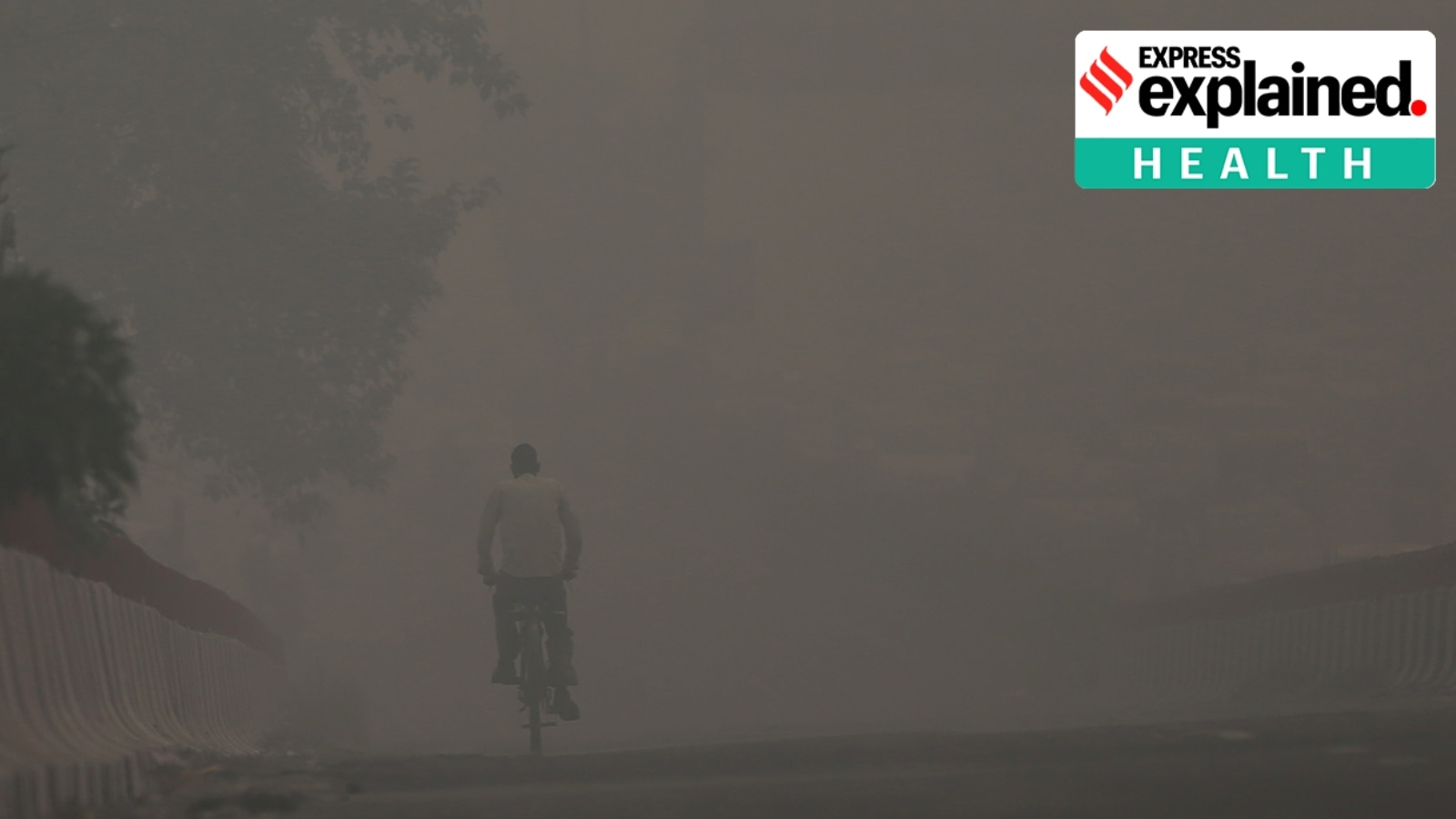

Long-term exposure to air pollution significantly increases the risk of developing dementia, according to a groundbreaking study conducted by researchers at Cambridge University. Published in The Lancet Planetary Health, this extensive report aggregates findings from 51 studies involving over 29 million participants who were exposed to various air pollutants for at least a year, making it the most comprehensive analysis of its kind.
The study revealed strong, statistically significant links between dementia and three prevalent air pollutants, namely PM2.5, nitrogen dioxide (NO2), and soot. PM2.5, fine particulate matter emitted primarily from vehicle exhaust and power plants, was found to heighten an individual’s relative risk of dementia by 17% for every 10 micrograms per cubic meter (µg/m³) of long-term exposure. For context, the average PM2.5 levels recorded at Delhi’s ITO pollution monitoring station recently stood at 77 µg/m³, underscoring the severity of air quality issues in urban environments.
Similarly, the findings indicated that nitrogen dioxide, largely produced by fossil fuel combustion in vehicles and industrial activities, increases dementia risk by 3% for each incremental 10 µg/m³ of exposure. At the same Delhi monitoring station, NO2 levels averaged 83 µg/m³ over the past 24 hours. Additionally, soot, or black carbon from sources like vehicle emissions and wood burning, is shown to elevate dementia risk by 13% with every 1 µg/m³ of long-term exposure.
The mechanisms behind these alarming associations involve brain inflammation and oxidative stress, processes that are known to contribute to the onset and progression of dementia. Airborne pollutants may infiltrate the brain directly or trigger these detrimental effects through pathways that also affect lung and cardiovascular health, exacerbating the risks associated with dementia.
This new evidence is concerning, particularly considering the rising global incidence of dementia, a health challenge expected to escalate from 57 million cases in 2021 to at least 150 million by 2050, according to the World Health Organization (WHO). Alarmingly, 99% of the worldwide population is exposed to air that exceeds WHO’s safety guidelines, with low- and middle-income countries bearing the brunt of this crisis.
Dr. Christiaan Bredell, the lead author of the study from the University of Cambridge, emphasized the necessity for a collaborative strategy in dementia prevention. “These findings underline that preventing dementia is a collective responsibility. Urban planning, transportation policy, and environmental regulation must all be integrated into efforts aimed at safeguarding public health,” he said.
As cities expand and pollution levels rise, particularly in developing nations, neglecting air quality could yield dire consequences for public health, amplifying the burden of dementia in future populations. It is imperative that stakeholders take action now to address this pressing issue, given its far-reaching implications for society.
By presenting this vital research, we aim to raise awareness of dementia’s link to air pollution and advocate for policies that prioritize clean air initiatives, ultimately working to protect the health of millions around the globe.
Original Source: https://indianexpress.com/article/explained/explained-health/long-term-air-pollution-exposure-increases-dementia-risk-10151412/
Category :
Tags:
Publish Date: 2025-07-26 17:31:00