Unveiling the Critical Role of Fuel Switches: Inside the Heart-Wrenching Final Moments Discussed by Pilots

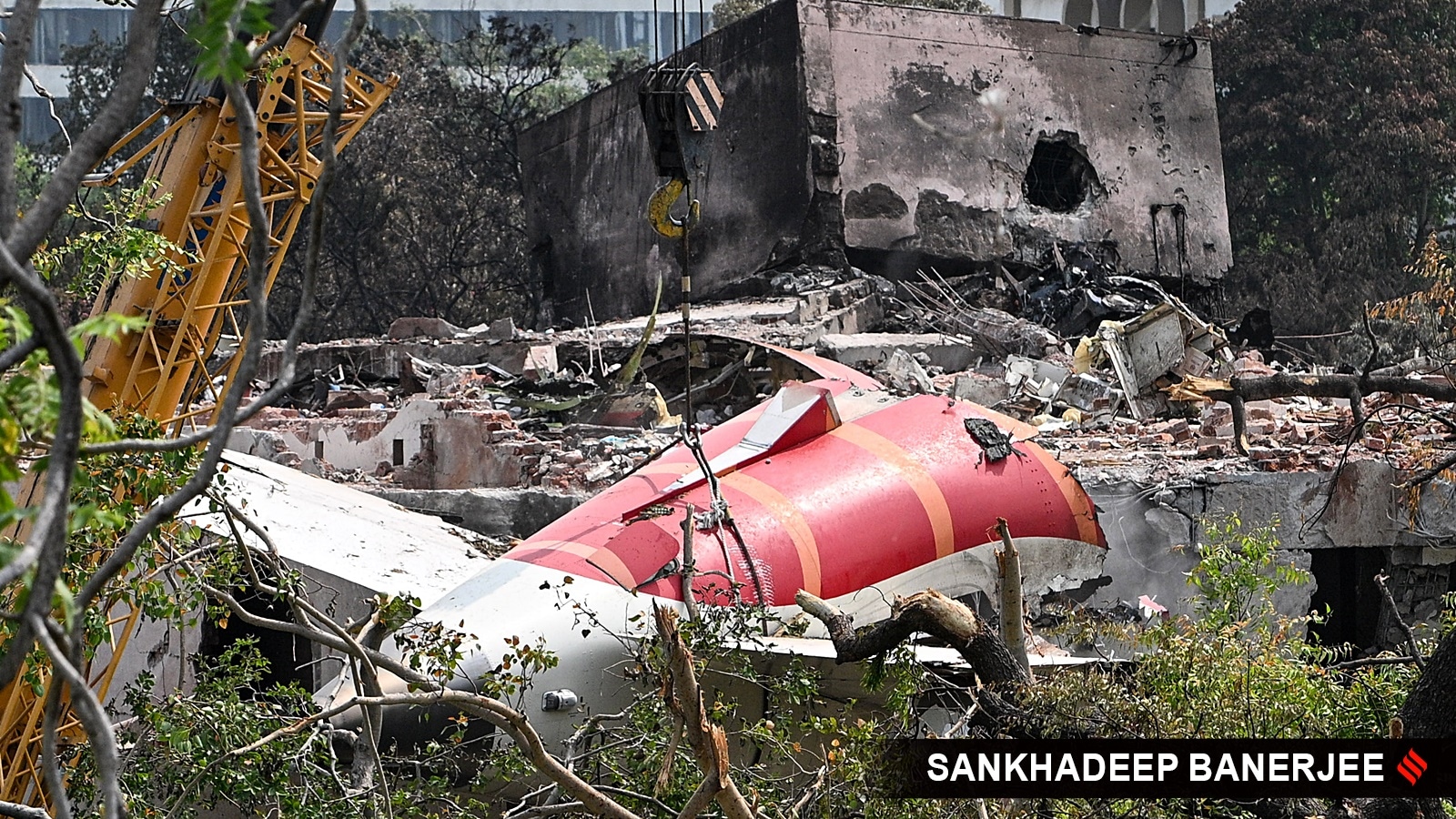
A preliminary report on the tragic Air India plane crash in Ahmedabad reveals critical insights about the incident, centered on the manipulation of fuel control switches and the final exchanges between the pilots. According to the findings, shortly after takeoff, both engines’ fuel switches transitioned from the ‘RUN’ to ‘CUTOFF’ position within seconds of each other. Investigation teams uncovered that these switches were later found in the RUN position amid the wreckage, highlighting a likely attempt by the pilots to restore engine thrust.
Moments after the switches cut off fuel supply, the pilots seemingly tried to regain thrust as they moved the controls back to the RUN position. However, the low altitude at which the aircraft was operating meant that there was insufficient time for the engines to build the necessary power for a safe ascent. The report also provides a glimpse into the last moments of communication in the cockpit, although it only paraphrases a portion of the dialogue. One pilot questioned why fuel had been cut off, to which the other denied doing so. The identities of the pilots involved in this exchange, however, are not specified.
Aviation experts have voiced skepticism about the possibility of accidental switch movements, noting that the spring-loaded fuel control switches are designed with protective brackets and a stop lock mechanism. This prevents inadvertent toggling between the RUN and CUTOFF positions, suggesting that any switch movement during flight would typically be deliberate-usually only conducted in emergencies, such as engine failure or damage necessitating a fuel cut-off.
Further details from the preliminary report highlight that co-pilot Clive Kunder was at the controls, while captain Sumeet Sabharwal was monitoring the flight. The report notes that both pilots had a sufficient rest period and had undergone a breathalyzer test before departure. Aircraft maintenance checks prior to the flight were reported as routine, and the takeoff proceeded normally until the aircraft reached around 400 feet in altitude.
Noteworthy is the mention of a Special Airworthiness Information Bulletin (SAIB) issued by the US Federal Aviation Administration (FAA) in 2018 concerning potential disengagement of the fuel control switch locking feature. Although the design of the switches is similar across many aircraft, Air India did not carry out the suggested inspections, as these advisories were non-mandatory.
The report also outlines maintenance history, indicating that the cockpit’s throttle control module-which houses the fuel switches-was replaced in 2019 and 2023, without connection to the fuel control switches. No defects related to the switches had been reported since 2023, and the report confirms compliance with all applicable airworthiness directives.
Additionally, it details the activation of emergency power systems, including the Ram Air Turbine and Auxiliary Power Unit, after the engines shut down. These systems are designed to operate effectively when primary power sources fail, indicating that the aircraft experienced a complete engine failure. The preliminary findings emphasize pilot actions as a focal point for ongoing investigations, moving away from concerns regarding aircraft or engine malfunctions. A final, comprehensive report is expected within approximately a year, contingent on further investigations.
This tragic incident serves as a stark reminder of the importance of meticulous cockpit procedures and oversight within aviation safety protocols. As the investigation unfolds, the aviation community awaits further clarity on the factors that led to this unfortunate event.
Original Source: https://indianexpress.com/article/business/aviation/air-india-ahmedabad-plane-crash-preliminary-report-key-takeaways-10121494/
Category :
Tags:
Publish Date: 2025-07-13 03:11:00