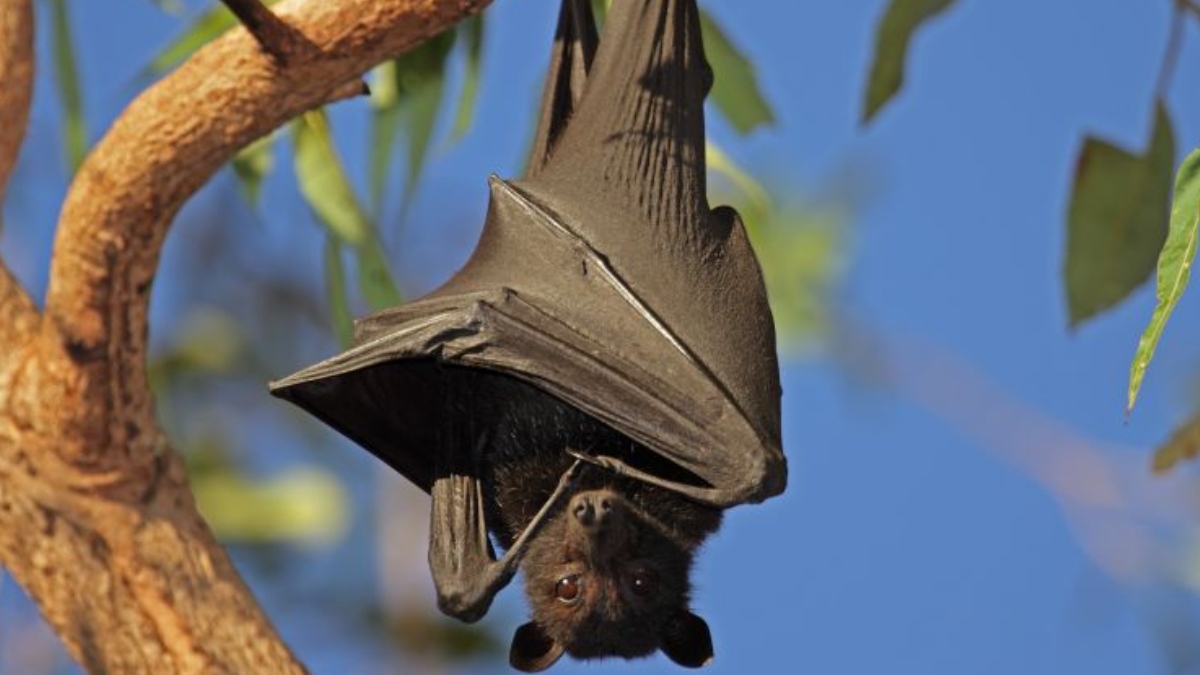

Researchers have issued a cautionary note about the potential health risks posed by henipaviruses found in bats, particularly focusing on how these viruses could transmit via bat urine, potentially contaminating crops consumed by humans and animals. This situation raises concerns about the possibility of future outbreaks.
In a significant study, researchers collected kidney samples from 142 bats in Yunnan Province between 2017 and 2021. Through genetic sequencing, they identified 22 distinct viral types, two of which closely resemble the notorious Nipah and Hendra henipaviruses. According to reports, these viruses are known for their severe health implications, including causing encephalitis in humans and serious respiratory issues.
This discovery comes in the wake of the COVID-19 pandemic, which has already had devastating effects globally, originating in late 2019 in Wuhan, China. Notably, Wuhan is also home to a research center that studies bat-related viruses and has been previously linked to the origins of COVID-19. In the recent study, bats were found roosting near fruit orchards close to populated rural communities, amplifying concerns about the viruses they may carry.
The findings spotlight two previously unidentified henipaviruses, designated Yunnan bat henipavirus 1 and 2. This represents the first complete genomic characterization of this virus type found in Chinese bats. Professor Vinod Balasubramaniam, a molecular virologist, described the situation as "concerning," particularly because these viruses were discovered in the kidneys of bats-organs closely associated with urine production. This introduces the risk of human exposure through contaminated fruits or water sources.
The research team has explicitly warned that henipaviruses could be transmitted through bat urine, increasing the likelihood of phytopathogenic impacts on edible crops. As such, even though the genetic code of the newly discovered viruses has been revealed for the first time, the researchers emphasize that vigilance is warranted. While no immediate signs of an upcoming epidemic have been observed, the potential for zoonotic transmission remains a serious concern.
In summation, the study highlights the urgent need for increased surveillance in regions where bat populations inhabit close proximity to agricultural areas, especially given the risk posed by henipaviruses. Scientists involved in this research stress the importance of being aware of the potential for animal-to-human viral transmission, urging the public and health authorities to take proactive measures to mitigate any risks.
As we navigate the landscape post-COVID-19, it is crucial to remain alert about emerging infectious diseases and their sources. This research serves as a timely reminder of nature’s intricate connections and underscores the significance of ongoing research in public health.
[Disclaimer: The suggestions provided herein are for informational purposes only and should not substitute professional medical advice. Always consult a healthcare provider before making any health or dietary changes.]
Tags: health, bat viruses, henipaviruses, zoonotic diseases, public health
Original Source: https://www.indiatvnews.com/health/scientists-sound-alarm-over-newly-discovered-brain-inflaming-bat-viruses-in-china-2025-06-25-996173
Category :
Tags:
Publish Date: 2025-06-25 12:58:00