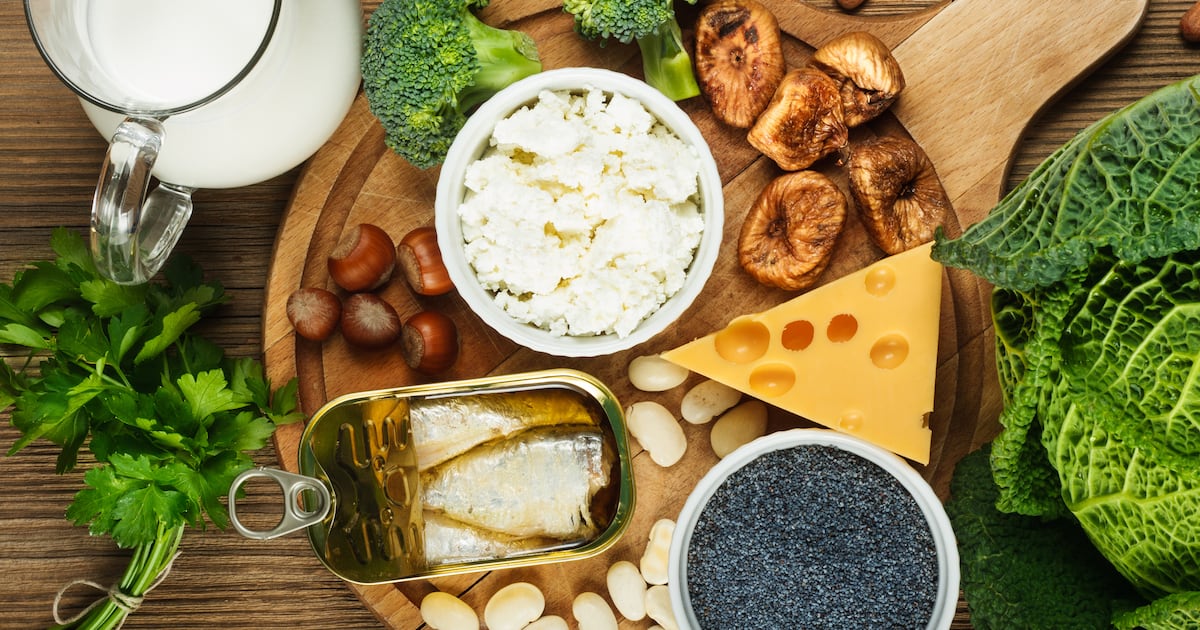

A recent cross-sectional study in Iran has unveiled intriguing insights into dietary impacts on blood lipid levels, highlighting the role of dairy consumption in lowering triglycerides while revealing no significant effects from fruits and vegetables. Conducted by researchers and published in BMC Research Notes, the study assessed 19,868 participants aged 25 and older from both rural and urban areas across 30 provinces.
The findings indicate that dairy intake is inversely associated with serum triglyceride levels, demonstrating a 10% reduction with one serving and a 13% reduction with two servings. However, total cholesterol and high-density lipoprotein cholesterol (HDL-C) showed no significant changes linked to dairy consumption. In contrast, fruit and vegetable intake exhibited negligible effects on overall lipid profiles, with even two servings of vegetables resulting in only a 2% decrease in triglycerides and no impact on total cholesterol.
Dyslipidemia, characterized by unhealthy fat levels in the blood and a major risk factor for cardiovascular diseases, necessitates focused management strategies. Traditional methods often emphasize increasing fruit and vegetable consumption, leveraging their dietary fibers, which can bind cholesterol and bile acids, thus preventing absorption into the bloodstream. Nonetheless, interest is surging in dairy products, attributed to their beneficial components like linoleic acid, medium-chain fatty acids, and calcium. For instance, calcium may promote fat metabolism and inhibit fatty acid synthesis, possibly aiding in reducing triglyceride storage.
Despite these findings, study results concerning the impact of dairy, fruits, and vegetables on lipid profiles remain inconsistent, prompting further inquiry. Participants underwent a comprehensive evaluation using the World Health Organization’s STEPwise approach to surveillance (STEPs) questionnaire, which captured socio-demographic data, medical history, and lifestyle habits, including dietary intake and physical activity.
While dairy consumption appeared beneficial for reducing triglyceride levels, researchers noted the absence of a similar association with other lipid variables, such as low-density lipoprotein cholesterol (LDL-C) and HDL-C. Meanwhile, the research also found that neither fruit nor vegetable consumption significantly affected blood lipid levels, with fruit intake showing an insignificant decrease in HDL-C levels.
Notably, the study highlighted a concerning trend among participants, with most consuming less than one serving of fruit and fewer than two servings of vegetables per day-levels markedly lower than those seen in many other populations. This raises alarms about the need to enhance fruit and vegetable intake, given their established health benefits.
Researchers concluded by emphasizing that while dairy consumption may lower triglyceride levels, the overall findings indicate no associations between fruit or vegetable intake and lipid profiles. They stress the necessity for further longitudinal studies to clarify these relationships, noting that the cross-sectional nature of the current study limits the ability to determine causation. With the growing interest in dietary impacts on health, more in-depth research is essential to uncover how different food groups influence lipid levels over time, ultimately guiding public health recommendations and dietary interventions.
Original Source: https://www.nutraingredients-asia.com/Article/2025/06/24/dairy-but-not-fruits-and-vegetables-shown-to-lower-blood-lipid-levels/
Category :
Tags:
Publish Date: 2025-06-24 05:58:00