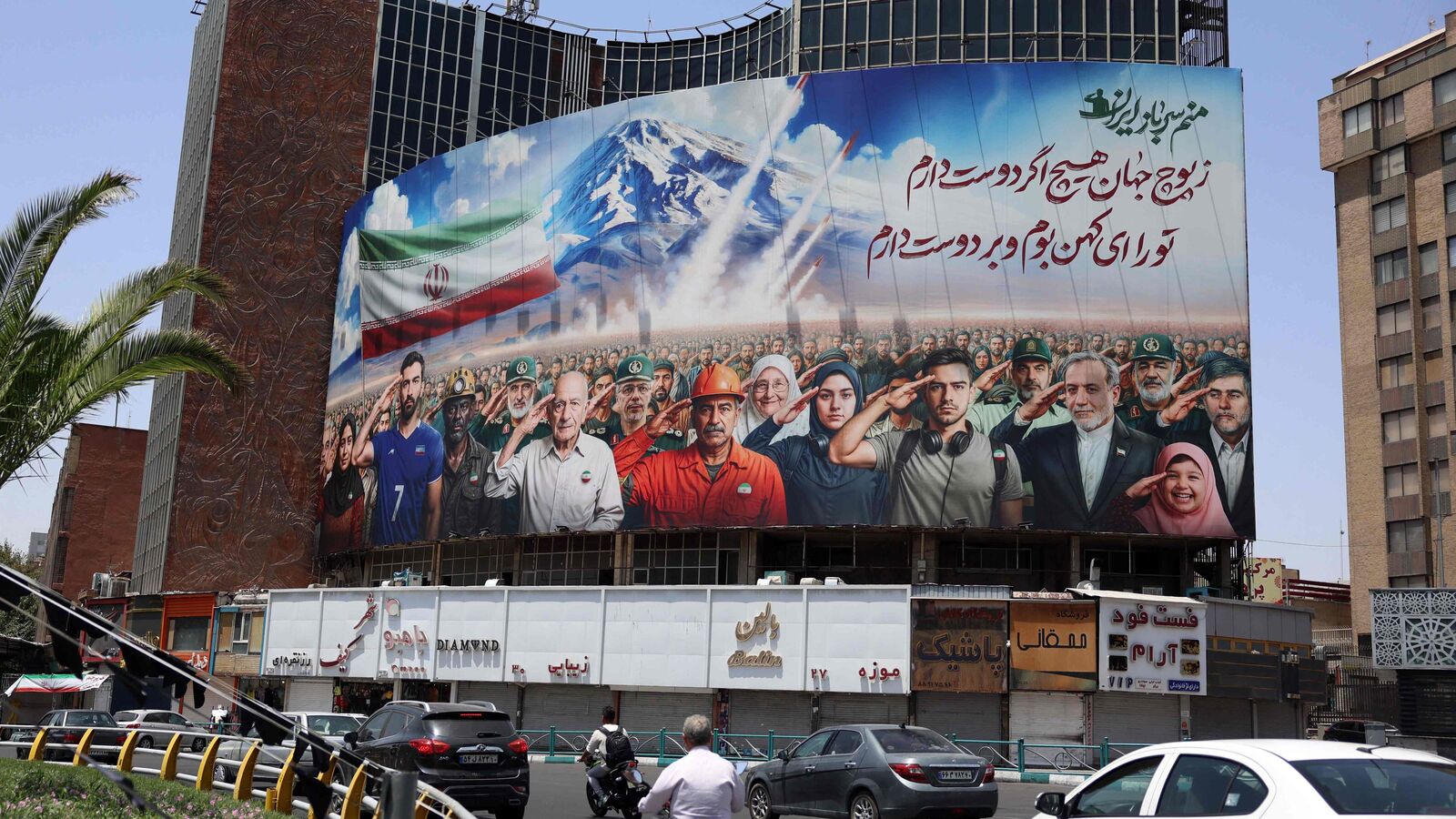
Unleashing Chaos: 4 Explosive Retaliation Strategies for Tehran Post-US Strikes on Nuclear Sites in the Israel-Iran Conflict

In a dramatic escalation of tensions, US President Donald Trump announced that the US military “obliterated” Iran’s primary nuclear facilities with powerful bunker-busting bombs early Sunday. This aggressive action targeted significant sites, including Fordo, Isfahan, and Natanz, according to Iran’s state-run IRNA news agency. While the agency provided limited details on the strikes, Iran’s foreign minister stated that the country reserves the right to retaliate.
Despite Iran’s attempts to deter US involvement with threats of retaliation, its strategic options remain intact following the bombing of its nuclear sites. Experts highlight that Iran’s network of regional alliances, most notably with Hezbollah in Lebanon and Hamas in Gaza, known collectively as the “axis of resistance,” could serve as a platform for retaliation. The Houthis in Yemen also maintain a sophisticated arsenal, including missiles that bear Iranian designs, and have previously engaged US assets in the region, especially over the Red Sea.
In November 2023, US forces intercepted multiple Houthi drones and missiles, reinforcing the potential threat posed by this group. Though a ceasefire was reached in May, the Houthis warned they would consider the truce broken if Trump engaged further in the conflict, threatening to target US shipping. Additionally, the Tehran-backed militia Kata’ib Hezbollah in Iraq has indicated a willingness to strike US interests throughout the Middle East in response to the escalating situation.
Foreign Affairs expert Sushant Sareen noted that Iran could also exploit geopolitical chokepoints like the Strait of Hormuz, a crucial passageway through which nearly 30% of the world’s oil flows. Blocking this strait would not only create global economic turmoil, but could also have severe consequences for countries reliant on oil imports, especially China and India. Some Iranian officials have openly advocated for halting maritime traffic in the strait, a move that could spike oil prices ahead of critical congressional elections in the US, complicating the already volatile political landscape.
As recent conflicts in the region have intensified, attacks on US military facilities have surged. In Iraq, US forces have faced over 150 assaults in recent months, with Iranian Defense Minister Aziz Nasirzadeh asserting that “all US bases are within our reach.” Bases such as Al-Asad Air Base, previously targeted in 2020, and other points across Iraq and Syria remain vulnerable to Iranian proxy strikes. Moreover, US bases in Qatar, Bahrain, the UAE, and Kuwait are under continuous risk.
In addition to targeting US forces, analysts warn that Iran may escalate missile strikes against Israel. Following the US nuclear site incursions, Iranian armed forces launched attacks on multiple Israeli locations, including the primary airport in Tel Aviv. Although these strikes have varied in intensity, they signify Iran’s intent to retaliate as it preserves its military capabilities for potential future engagements.
While Iran insists that its nuclear program is peaceful, US intelligence maintains that Tehran is not actively seeking nuclear weaponry. Nevertheless, Trump and Israeli leadership assert that Iran remains a significant threat that could rapidly develop nuclear capabilities. As this situation evolves, experts caution that the conflict could lead to prolonged engagements reminiscent of prior US military involvements in the region, raising concerns about an escalating cycle of violence that neither country may control.
(With inputs from agencies)
Original Source: https://www.livemint.com/news/world/israeliran-conflict-proxies-strait-of-hormuz-and-4-ways-tehran-can-retaliate-after-us-bombs-nuclear-sites-11750590802863.html
Category :
Tags:
Publish Date: 2025-06-22 19:32:00