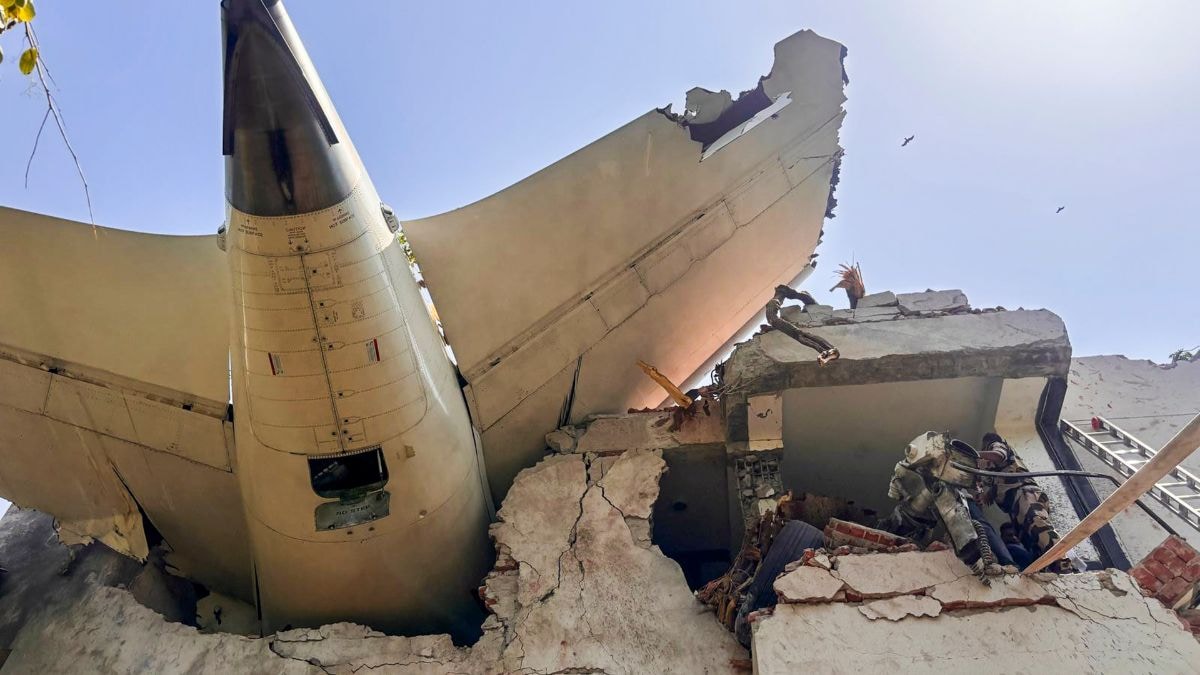

Aviation safety is under intense scrutiny as global air traffic expands, following a series of incidents from the devastating Air India Flight 171 crash to various near-misses and in-flight emergencies. These events have sparked urgent discussions within the aviation industry. While some airlines are expressing heartfelt resolve in response to these challenges, others are embracing advanced technologies. This convergence of efforts signals a pivotal moment for aviation, emphasizing a need for a comprehensive approach that combines technology with emotional intelligence in promoting airline safety.
Recent incidents have highlighted the vulnerabilities within aviation safety systems, especially under high workloads, human error, or unexpected technical failures. The crash of Air India Flight AI 171, a Boeing 787-8 Dreamliner on June 12, resulted in the tragic loss of 279 lives, including 241 passengers. This disaster has resonated deeply within the Indian aviation sector and left Air India’s workforce profoundly affected. In a heartfelt address to 700 employees, Air India Chairman N Chandrasekaran labeled the incident “the most heartbreaking” of his career. He encouraged staff to remain resilient in the face of criticism, urging them to transform this tragedy into a catalyst for enhanced safety.
Chandrasekaran emphasized the multilayered complexity of aviation systems, reiterating that accidents can happen, despite thorough checks and balances. Meanwhile, Southwest Airlines in the United States is taking a different path by investing in proactive safety measures instead of merely reacting to crises. The airline has begun to install a Honeywell-designed cockpit alert system known as the Runway Awareness and Advisory System (RAAS) across its Boeing 737 fleet. This system issues verbal and text alerts to warn pilots about taking off from taxiways or approaching runways incorrectly, addressing numerous situational risks.
This initiative follows a recent incident at Orlando International Airport, where a Southwest airplane mistakenly initiated its takeoff from a taxiway. An air traffic controller intervened just in time to prevent a potential disaster. Had the Honeywell system been operational, it could have provided an automated alert to the pilots, potentially guiding them to correct their course earlier. As Southwest’s Chief Operating Officer Andrew Watterson stated, the system is a vital safety layer designed to add more barriers against adverse outcomes.
Despite this innovative approach from Southwest, the Indian aviation sector faced a wave of operational crises following the Air India crash. Within a span of just 36 hours, four separate in-flight emergencies surfaced, raising serious concerns about preparedness and the overall safety culture. On June 16, an Air India Express flight to Ranchi had to return to Delhi shortly after takeoff due to technical issues. On the same day, an Air India flight returning from Hong Kong also had to turn back because of a suspected technical snag. Air India confirmed that the Boeing 787 had landed safely and was undergoing inspections.
In a separate incident, a Lufthansa flight from Frankfurt to Hyderabad turned back after a bomb threat was reported mid-flight, and passengers were screened upon its return as investigations commenced. Additionally, a British F-35 fighter jet made an emergency landing in Kerala due to low fuel, prompting full emergency protocols at Thiruvananthapuram Airport. Although these incidents did not lead to injuries, the sheer volume and proximity of occurrences intensified public anxiety and tested coping mechanisms within the industry.
The urgency for real-time, fail-safe cockpit interventions is greater than ever. According to Thea Feyereisen, a senior aerospace engineer at Honeywell, near-misses happen more frequently than one might assume. Honeywell’s RAAS has been commended for preventing runway misidentifications, including a near-fatal incident involving an Air Canada jet in San Francisco in 2017. The National Transportation Safety Board concluded that the Honeywell alert system could have averted that near-tragedy.
At Southwest Airlines, even pilots who initially expressed concerns about potential distractions from the alerts have come to appreciate their safety benefits. Captain Jody Reven, president of the Southwest Airlines Pilots Association, remarked on their effectiveness, particularly in busy airports. Nevertheless, technological improvements work best within a supportive culture. Chandrasekaran’s messaging to Air India staff, focusing on unity, accountability, and emotional resilience, underscores the human element essential to safety.
Despite compelling evidence that cockpit alert systems like RAAS can save lives, inconsistencies in their implementation remain. An FAA advisory panel recommended in August 2024 that these systems be mandatory on newly produced aircraft but did not advocate for retrofitting older fleets. The FAA is still assessing the proposal, leaving safety largely at the discretion of airlines. Some, like Southwest and Alaska Airlines, are investing in the Honeywell system, while others may hesitate due to financial constraints or operational considerations.
The enduring risks of runway navigation errors, as highlighted by past incidents, including the 2006 Comair crash and the 2017 near-miss in San Francisco, underscore the necessity for action. As the aviation industry grapples with rising operational pressures and increasing air travel, both governments and airlines face a crucial question: should we wait for accidents to occur, or proactively use every tool available to prevent them?
Original Source: https://www.firstpost.com/india/close-calls-and-hard-lessons-a-wake-up-call-for-global-aviation-13897805.html
Category: India
Tags:
Publish Date: 2025-06-17 16:55:00