Urgent Insights: Fed’s ‘Beige Book’ Reveals Alarming Decline in Growth, Soaring Prices, and Frustratingly Slow Hiring

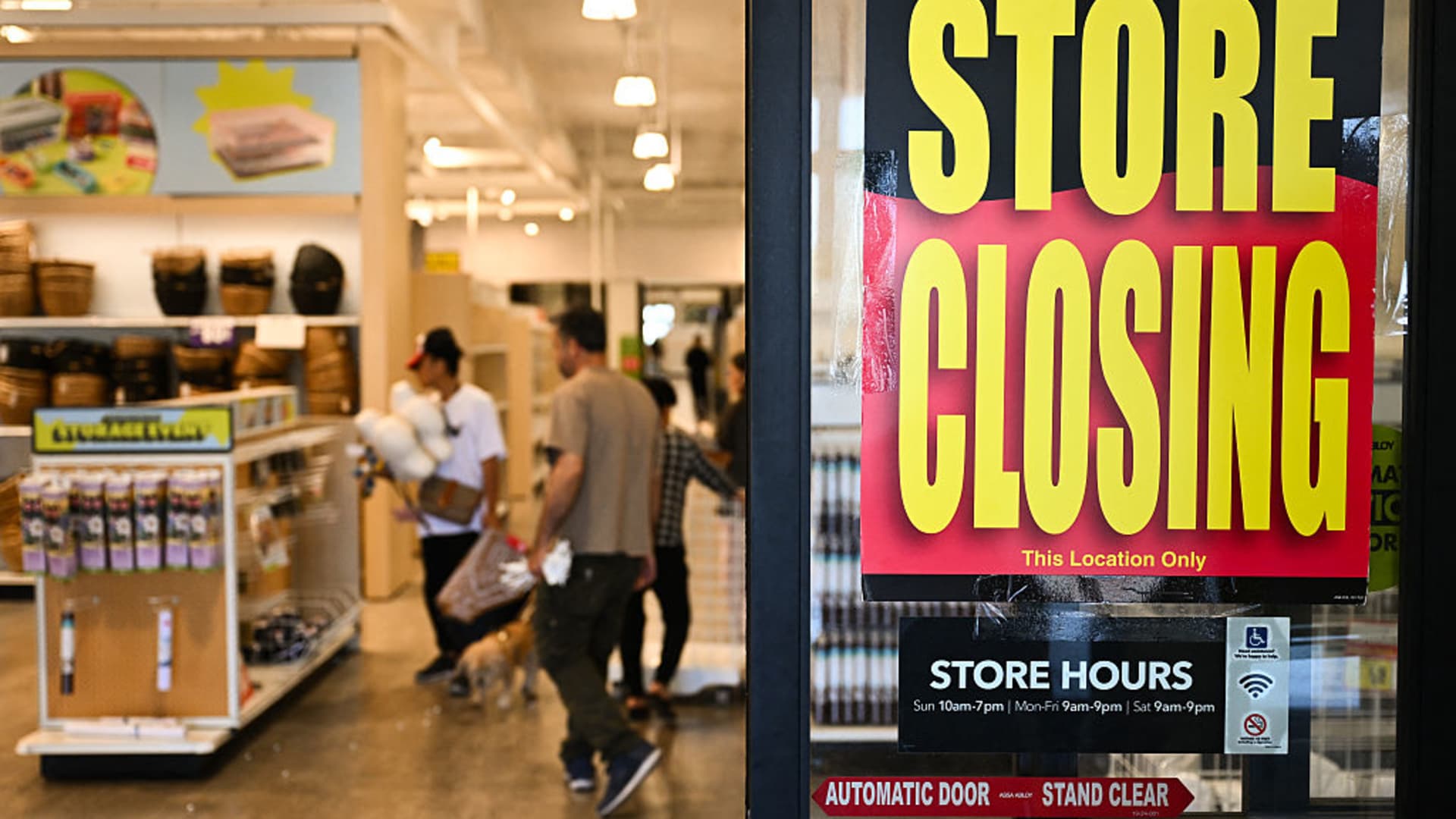
A JOANN Fabric and Crafts store in Torrance, California, showcased a “store closing” sign as it held its final day of a liquidation sale, highlighting the ongoing struggles many retailers face amid financial turbulence. This event coincided with a recent Federal Reserve report revealing that the U.S. economy has seen a contraction over the past six weeks, primarily due to a slowdown in hiring and rising concerns among consumers and businesses about tariff-related price hikes.
According to the Fed’s latest “Beige Book,” released Wednesday, economic activity has declined slightly since the last report in April. The central bank emphasized that “all Districts reported elevated levels of economic and policy uncertainty,” causing companies and households to adopt a more cautious approach in their financial decisions. While hiring remained “little changed” across its 12 districts, seven reported stagnant employment levels, despite increased job applicants and reduced turnover rates.
The report painted a picture of reduced labor demand, with declines in hours worked, hiring freezes, and plans for staff cuts surfacing in various sectors. Although some areas reported layoffs, these were not widespread, indicating a mixed labor market. On the inflation front, the report noted that prices were rising at a moderate pace, but many businesses anticipated more significant cost increases ahead. “Contacts expected costs and prices to rise at a faster rate going forward,” the report stated, highlighting ongoing concerns about tariffs significantly impacting operational costs.
Tariff pressures were prominent, with the report mentioning tariffs 122 times, up from 107 in April. Businesses are considering ways to mitigate these costs, with some indicating they may lower profit margins or introduce temporary surcharges. A significant number expect to pass along tariff-related expenses within three months.
The economic landscape is further complicated by President Donald Trump’s recent tariff adjustments. Following a declaration in early May to relax reciprocal tariffs against China, which led to a temporary market rally, uncertainties about the broader implications-especially inflation-remain palpable. As companies brace for potential economic slowdowns, concerns linger regarding labor market stability and overall economic health, due to the ongoing tariff situation.
Regionally, the Fed’s findings varied. Boston, New York, and Philadelphia reported declines in economic activity, while Richmond, Atlanta, and Chicago showed signs of better growth. Particularly in New York, heightened uncertainty alongside significant input price increases driven by tariffs raises red flags for businesses navigating this turbulent terrain. Meanwhile, Richmond observed a minor uptick in hiring, counteracting Trump’s attempts to reduce the federal payroll.
As the U.S. economy grapples with these complexities, the implications extend beyond individual businesses, affecting consumers and the broader market landscape. The interplay between tariffs, inflation, and the labor market will continue to shape economic trends and consumer sentiment in the coming months.
This report highlights the pressing challenges facing the U.S. economy and the various factors influencing consumer and business behavior as uncertainty looms. The full scope of impacts from ongoing policy decisions remains to be seen, underscoring the need for close monitoring as the landscape continues to evolve.
Original Source: https://www.cnbc.com/2025/06/04/fed-beige-book-economic-report-cites-declining-growth-rising-prices-and-slow-hiring.html
Category :
Tags:
Publish Date: 2025-06-05 01:03:00