European Firms Reassess Travel Policies Amid Growing U.S. Border Control Fears: Safeguarding Business and Peace of Mind

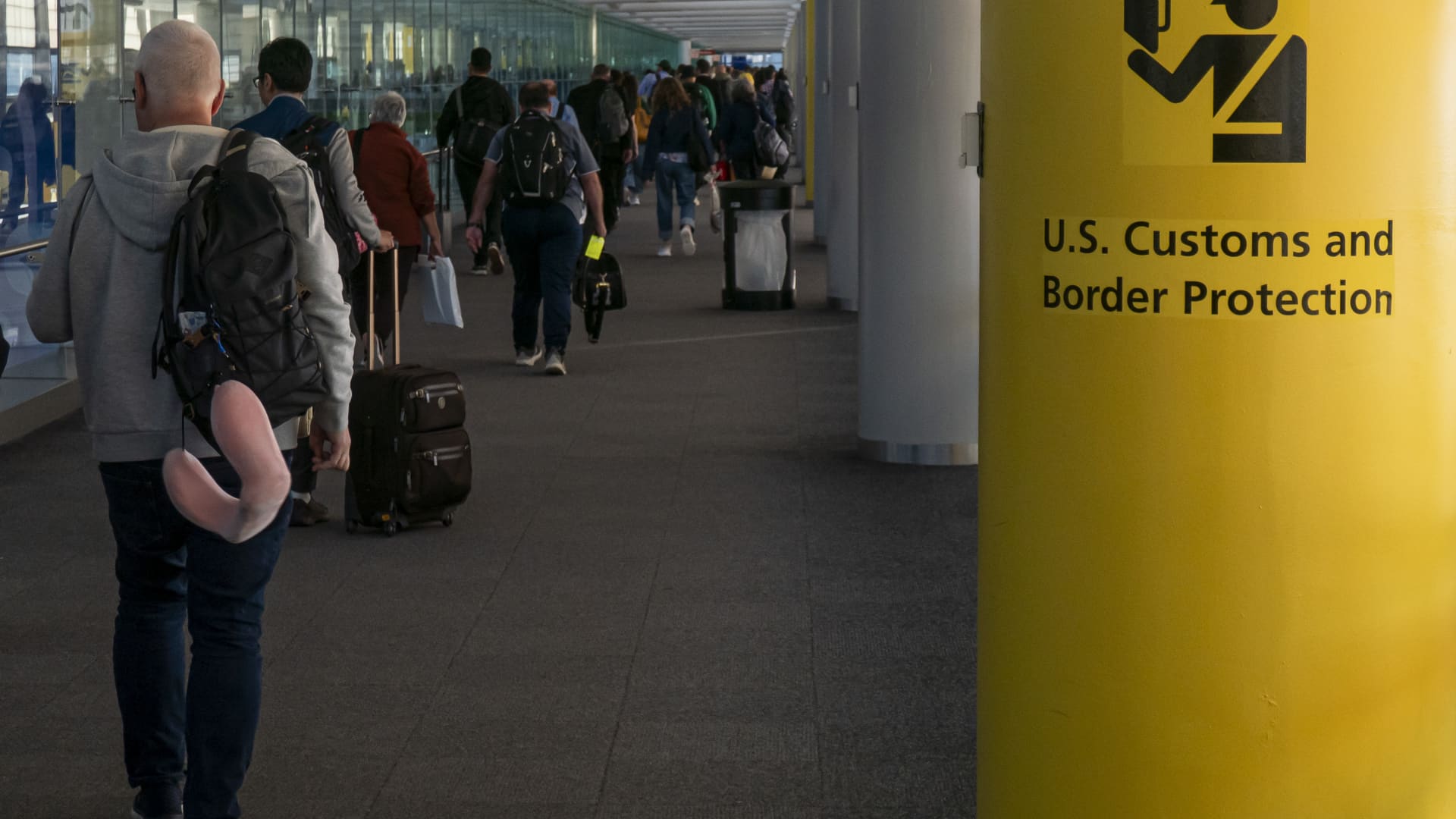
Some European companies are growing increasingly hesitant to send employees to the U.S., driven by the Trump administration’s unpredictable policymaking, stricter immigration checks, and rising reports of detentions and deportations. While certain sectors, such as engineering and accounting, report that their business travel remains largely unaffected, others-particularly in politically sensitive fields-are voicing concerns over employee safety and wellbeing.
Responses among companies are varied. Some are adopting precautionary measures, advising employees to travel with wiped electronic devices or to enter the U.S. through Canada whenever possible. In some cases, attendance at U.S. events or conferences is being encouraged online to minimize travel risks. Business travel is crucial to the U.S. economy, generating $421 billion and $119 billion in tax revenue in 2022, according to a report from the Global Business Travel Association (GBTA). With an estimated 429.9 million business trips supporting around 6 million jobs, any downturn in travel could have significant ramifications.
A recent survey by GBTA revealed that 29% of global travel buyers anticipate a decrease in business travel volume by 2025 due to U.S. policies concerning travel and tariffs. This decline in optimism could coincide with international tourism taking a hit this year, potentially resulting in a $12.5 billion loss in spending due to negative perceptions about U.S. trade and immigration policies.
The atmosphere surrounding U.S. travel has been fraught with tension since President Trump took office, with reports of tourists enduring prolonged detention. The administration has committed to subjecting all foreigners seeking entry into the U.S. to rigorous vetting protocols. Tensions have escalated between the U.S. government and the academic community, particularly following the suspension of international student visa issuances and aggressive revocations of visas for Chinese students.
Prashray Kala, a partner at the Everest Group, noted that many international travelers are expressing concerns about increased visa scrutiny, heightened social media monitoring, and the risk of detention despite having valid documentation. “Those with a visible online presence are exercising more caution, especially given the ‘Catch and Revoke’ policy that escalates surveillance,” he stated. This policy, effective since April 30, stipulates that anyone with a U.S. visa may lose their immigration status after a single legal misstep, regardless of severity.
One European fund manager who frequently visits the U.S. expressed worries about immigration authorities potentially disrupting his travel plans due to changing political attitudes, remarking, “Business travel on an ESTA [visa] is no longer what it used to be.”
Furthermore, an executive from an international NGO based in London revealed that they have implemented a new travel protocol for trips to the U.S., focusing not only on movement and contact details but also on issues concerning physical and information security-especially given their focus on sensitive topics like climate change and corporate malpractice.
“Typically, we wouldn’t need to worry this much about travel protocols for the U.S.,” the executive noted, “but it’s unsettling to find myself considering these precautions as if I were traveling to an autocratic regime.”
Accompanying shifts in travel strategies, some academics are now encouraged to navigate to the U.S. through Canada or to opt for virtual attendance at conferences to avoid visa complications. They report mixed experiences at U.S. borders, with some colleagues facing prolonged questioning.
Overall, a consensus exists among professionals across various sectors: uncertainty looms over U.S. travel. The NGO executive aptly summarized the climate, observing, “It’s a fine line between overreacting and acknowledging legitimate risks. This time, we’re taking the concerns more seriously.”
Original Source: https://www.cnbc.com/2025/06/01/european-firms-rethink-travel-policy-over-us-border-control-concerns.html
Category :
Tags:
Publish Date: 2025-06-01 06:41:00