Trump’s Bold Push Falls Flat: SALT Caucus Rejects Tax Bill Support in a Stunning Political Setback

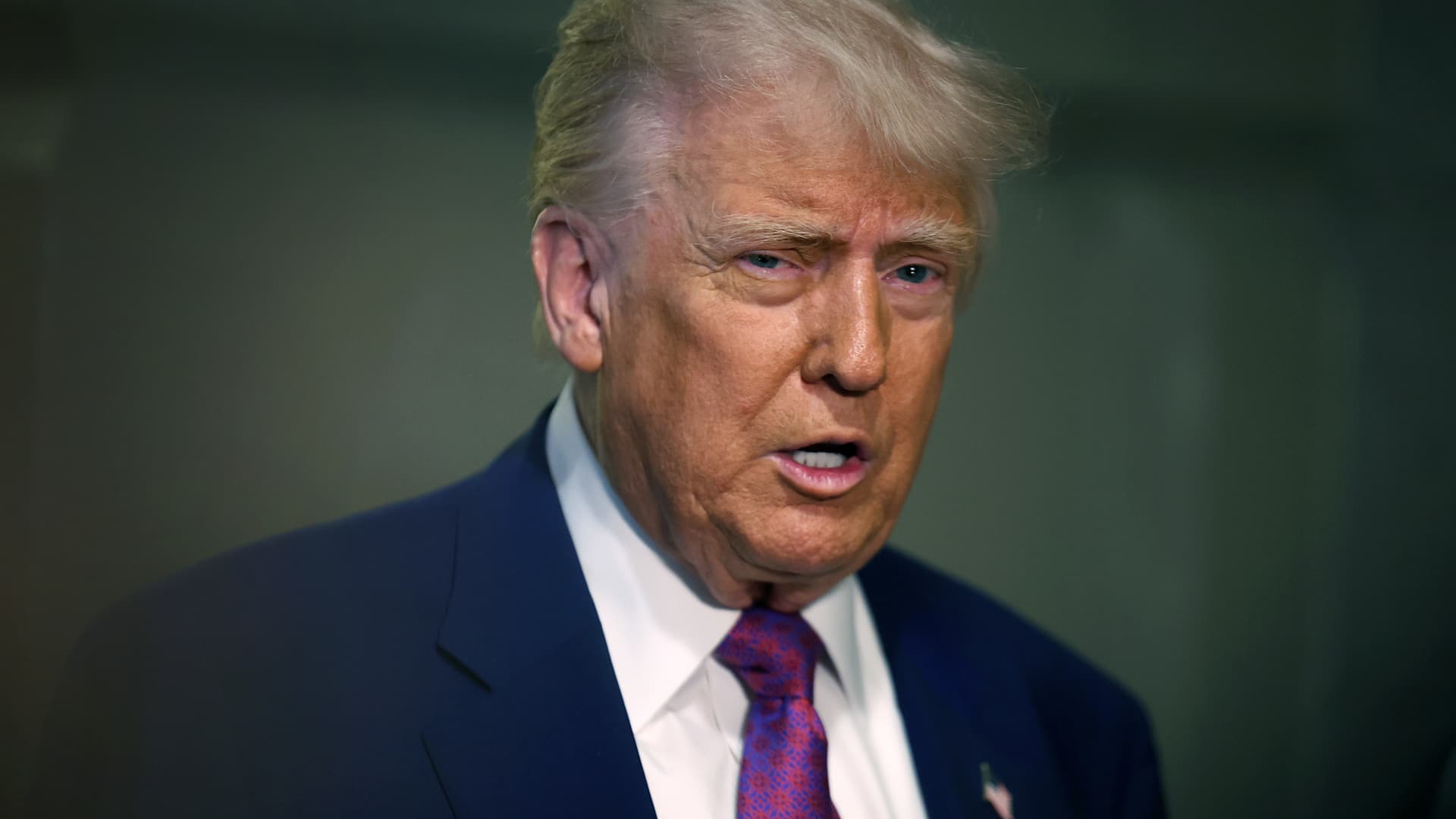
President Donald Trump made a pivotal appearance on Capitol Hill on May 20, 2025, attempting to gain the support of key House Republicans from blue states for a contentious tax bill. However, his efforts to persuade members of the “SALT Caucus” proved to be ineffective. These lawmakers are resistant to the proposed legislation, arguing that it inadequately addresses the needs of their constituents in relation to state and local tax (SALT) deductions.
The proposed tax bill, championed by Trump and House Speaker Mike Johnson (R-La.), faces potential derailment due to this intra-party conflict. Central to the dispute is the current cap on SALT deductions, which was set at $10,000 as part of a 2017 tax reform under Trump’s administration. Critics have perceived this cap as a political move targeting Democratic-leaning states, particularly those in the Northeast and California, where residents often pay significantly higher state and local taxes.
The new proposal aims to raise the SALT deduction limit to $30,000. However, this increase has not satisfied many GOP lawmakers hailing from blue states, who assert that the adjustment is still insufficient to meet the financial realities faced by their constituents.
During his meeting with the SALT Caucus, Trump urged dissenting members to “Let it go,” as reported by NBC News. This sentiment reflects an ongoing struggle within the Republican Party to unify around tax reform, highlighting the broader ideological rifts that complicate legislative consensus.
With Memorial Day weekend approaching, the urgency to pass this tax legislation is palpable for both Trump and House leadership. However, without overcoming the staunch opposition from the SALT Caucus, the future of the bill remains uncertain, underscoring the fragile dynamics at play within the party.
As lawmakers grapple with this sensitive issue, the potential implications of the tax bill extend beyond immediate financial impacts, resonating with broader discussions about fiscal policy, state rights, and party unity. The outcome of this legislative effort will likely shape the political landscape leading up to the 2026 midterm elections, as constituents in high-tax states look to their representatives for solutions that adequately reflect their financial challenges.
As this story develops, updates on the negotiations and their impact on the Republican Party’s tax agenda will be closely monitored. For now, the tension between Trump’s leadership and the dissenting voices within the GOP highlights the complexities of governance and the delicate balance required to enact significant policy changes in a divided political landscape.
Original Source: https://www.cnbc.com/2025/05/20/trump-tax-bill-salt-gop.html
Category :
Tags:
Publish Date: 2025-05-20 22:41:00