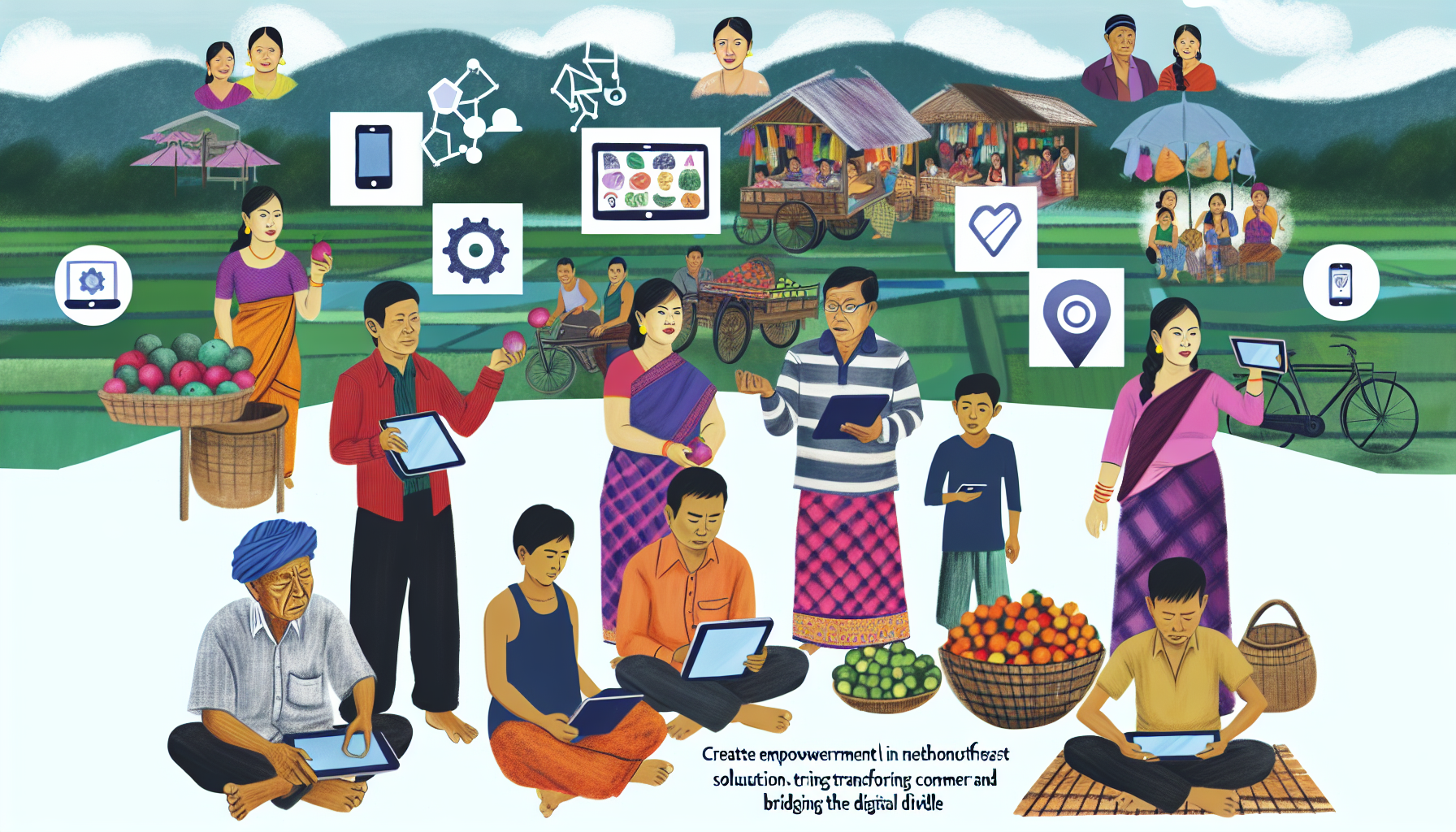
Empowering Northeast India: How Mobile-First Solutions Can Transform Commerce and Bridge the Digital Divide

Can Mobile-First Solutions Bridge the Digital Divide? Insights from Northeast India’s Commerce Landscape
In the bustling markets of Guwahati, a small shopkeeper named Raju has a story that resonates with many. With a smartphone in hand, he navigates the complexities of inventory management, customer engagement, and payment processing- all from a device that fits in his pocket. Raju’s experience is a microcosm of a larger narrative unfolding across Northeast India, where mobile-first solutions are not just technological advancements; they are lifelines that can bridge the digital divide.
The region, often overlooked in broader discussions about technology, is rich in potential. With a population that is increasingly tech-savvy, mobile devices have become the primary gateway to the digital world. A recent report from the Telecom Regulatory Authority of India highlighted that mobile internet penetration in the Northeast has surged, reaching over 50% in some states. This growth presents a unique opportunity to empower local entrepreneurs like Raju, enabling them to compete in a rapidly evolving commerce landscape.
Consider the case of the Assam State Transport Corporation, where I had the privilege of developing the first online bus ticketing system in Northeast India way back in 2004. This initiative transformed the way people accessed transportation services, making it easier for them to plan their journeys as weel as generating employment for more than 200 Youths of Assam. The success of this project underscored a crucial lesson: when technology is designed with the user in mind, it can lead to remarkable outcomes. By prioritizing mobile-first solutions, we can create similar platforms that cater to the specific needs of local businesses and consumers.
Mobile-first solutions offer several advantages. They are inherently accessible, allowing users to engage with services without the need for expensive hardware or extensive training. For many in Northeast India, where traditional internet infrastructure may be lacking, mobile devices provide a critical bridge to essential services. From digital payments to e-commerce platforms, these solutions can help local businesses reach wider markets, fostering economic growth and innovation.
Yet, the challenge remains: how do we ensure that these solutions are inclusive? It’s not enough to simply roll out technology; we must also address the underlying issues of digital literacy and infrastructure. For instance, while Raju can now manage his shop more efficiently, he still faces hurdles when it comes to understanding digital marketing or utilizing data analytics. This gap highlights the importance of community-driven training programs that empower individuals with the skills they need to thrive in a digital economy.
Moreover, as we embrace mobile-first solutions, we must also be mindful of the cultural context. In Northeast India, where diverse languages and traditions coexist, technology should reflect and respect these nuances. Solutions that are localized and culturally relevant will not only enhance user engagement but also foster a sense of ownership among the community.
As we look to the future, there are a few key takeaways that can guide our approach. First, we must prioritize user-centric design in technology development. Solutions should be intuitive and tailored to the specific needs of local users. Second, fostering digital literacy is essential; community workshops and mentorship programs can empower individuals to leverage technology effectively. Finally, collaboration among stakeholders- government, businesses, and civil society- is crucial to creating an ecosystem that supports innovation and inclusivity.
In closing, the journey towards bridging the digital divide in Northeast India is not merely about technology; it’s about people. As we harness the power of mobile-first solutions, we have the opportunity to transform lives, uplift communities, and foster a vibrant economy. The question remains: how can we ensure that no one is left behind in this digital revolution? The answer lies in our collective commitment to inclusivity, innovation, and empathy.
Author Profile: Sanjeev Sarma
Sanjeev Sarma is the Founder Director of Webx Technologies Private Limited, a leading technology consulting firm with over two decades of experience. A seasoned technology strategist and Chief Software Architect, he specializes in enterprise software architecture, cloud-native applications, and AI-driven platforms. Recognized as a “Technology Hero” by Microsoft for his pioneering work in e-Governance, Sanjeev actively advises technology committees and mentors aspiring entrepreneurs, driving transformative digital solutions for enterprises and government sectors from his base in Northeast India.