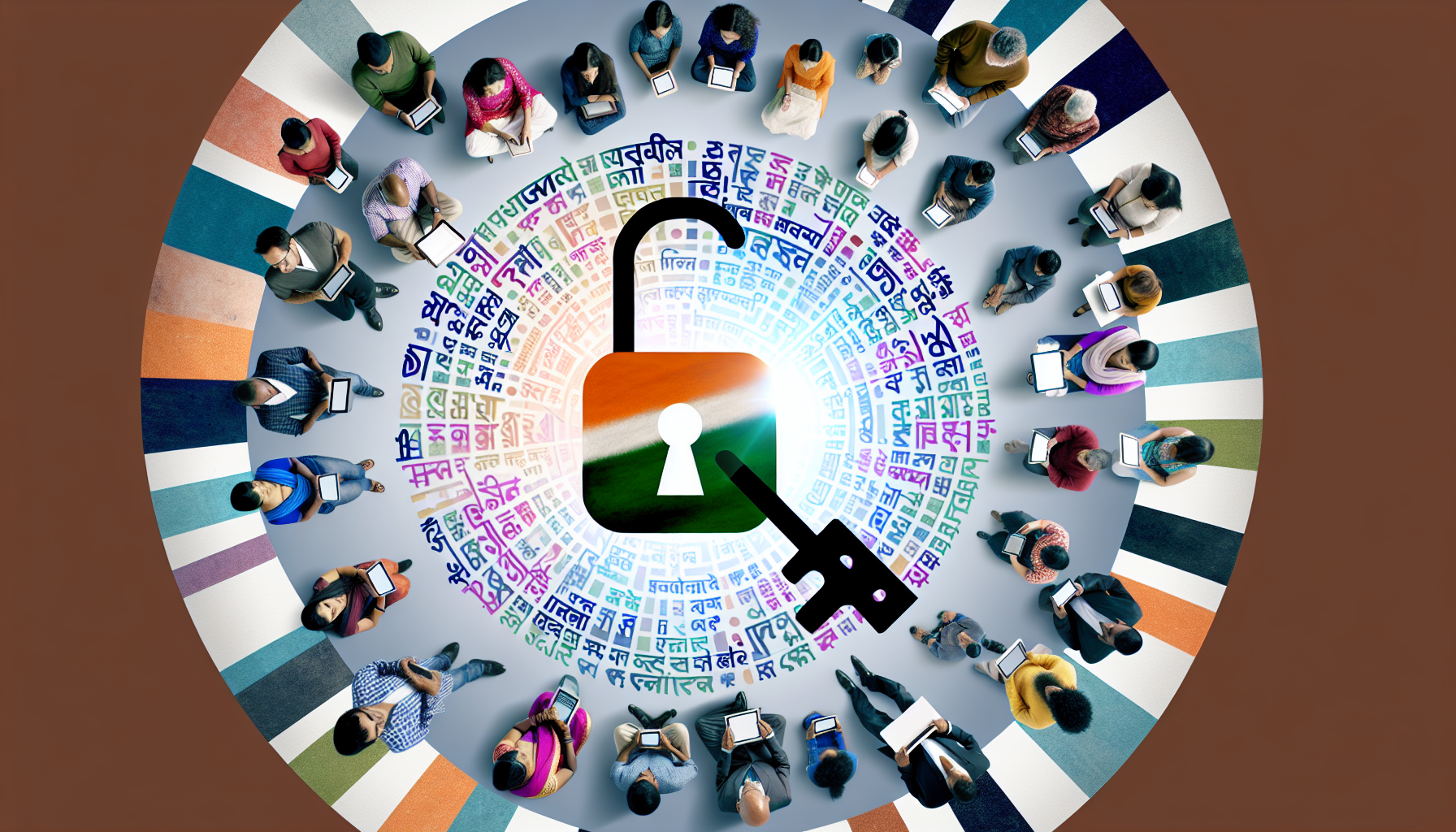
Empowering India: Unleashing the Potential of Multilingual Voice AI in Digital Transformation

It’s early morning in my hometown, and the air is thick with the aroma of freshly brewed chai. As I sip my cup, I overhear a conversation between two vendors at the local market. They’re discussing the latest smartphone app that can understand their dialect and help them connect with customers who speak different languages. It’s a small moment, but it encapsulates a larger shift happening across India—one that is quietly revolutionizing how we interact with technology.
Multilingual voice AI is not just a technological marvel; it’s a bridge connecting diverse cultures and communities. In a country where over 1,600 languages are spoken, the ability to communicate seamlessly across linguistic barriers is nothing short of transformative. Imagine a farmer in Assam using voice commands in Assamese to check the weather or a small business owner in Tamil Nadu managing inventory through simple conversations in Tamil. This isn’t just convenience; it’s empowerment.
Take the case of an initiative by a startup in Bengaluru that developed a voice assistant capable of understanding multiple Indian languages. They found that users were more engaged when they could interact in their native tongue. This isn’t merely about preference; it’s about accessibility. For many, technology has often felt like an exclusive club, with entry requirements that include fluency in English. But with the rise of multilingual voice AI, we’re witnessing a democratization of digital tools, making them available to everyone, regardless of their linguistic background.
At its core, this technology is rooted in the understanding that language is more than just a means of communication; it’s a vessel of culture and identity. When we empower individuals to engage with technology in their own language, we’re not just enhancing usability; we’re fostering a sense of belonging. It’s about making technology feel less like a foreign entity and more like a trusted companion.
The implications of this shift extend beyond individual users. Businesses, too, are recognizing the value of multilingual capabilities. Companies that adapt their customer service to accommodate regional languages are seeing increased customer satisfaction and loyalty. A recent study revealed that 72% of consumers are more likely to purchase a product if the information is available in their native language. This statistic is a clarion call for entrepreneurs and enterprises alike: understanding your audience means speaking their language—literally.
Yet, while the promise of multilingual voice AI is immense, it’s essential to approach it with a sense of responsibility. The technology must be developed with cultural sensitivity and inclusivity in mind. For instance, voice recognition systems should be trained on diverse datasets that accurately reflect the nuances of various dialects and accents. Otherwise, we risk perpetuating biases that could alienate the very communities we aim to empower.
As we navigate this exciting landscape, there are a few takeaways worth pondering. First, technology should serve as a facilitator of human connection, not a barrier. The more we embrace tools that respect and celebrate our diversity, the richer our collective experience becomes. Second, businesses should recognize that investing in multilingual capabilities is not just a trend; it’s a strategic necessity in an increasingly globalized world. Lastly, as individuals, we should remain curious and open to the possibilities that technology offers, using it to amplify our voices rather than diminish them.
In a world where technology often feels impersonal, the rise of multilingual voice AI offers a refreshing reminder: our languages are not just tools for communication; they are the threads that weave our stories together. As we continue to embrace this digital transformation, let’s ensure that every voice is heard, every story is told, and every individual feels empowered to participate in the conversation.
About the Author:
Sanjeev Sarma is an IT enthusiast with over 20 years of experience in enterprise software development. As the Director of Software Services and Chief Software Architect at Webx Technologies Private Limited, he is passionate about the intersection of technology and everyday life. A curious tech voice from Northeast India, Sanjeev believes in the power of human-centered design and the potential of technology to empower communities.