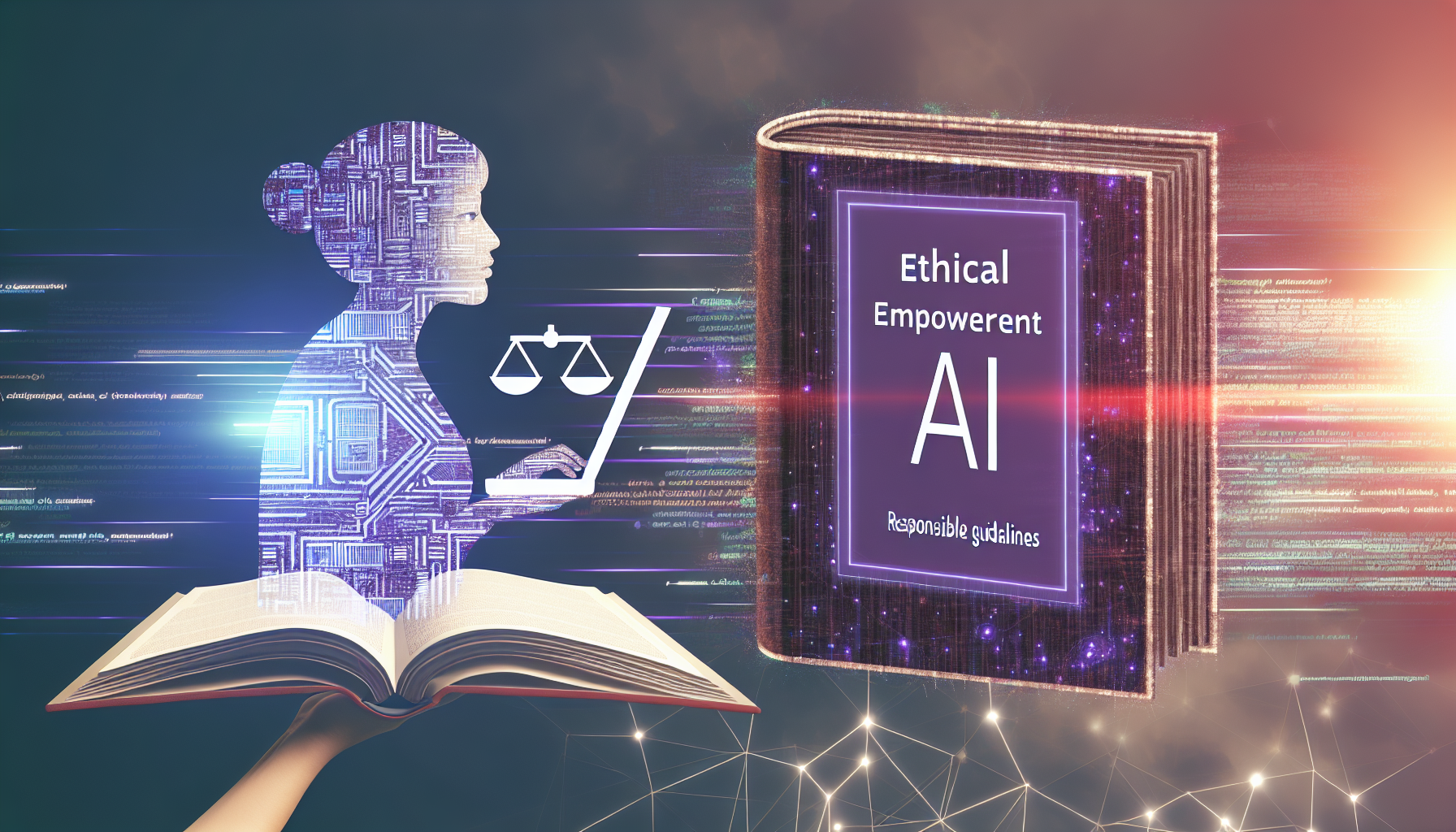
Empowering Ethical Design: Transforming AI Tools with Feminist Ideation and Responsible Guidelines

It’s a curious thing, the way we often overlook the tools we use daily. Take a moment to think about your favorite app or software. Have you ever paused to consider the ethics behind its design? The decisions made by the creators? Recently, I found myself in a conversation with a friend who’s an artist. She was lamenting how design toolkits often feel disconnected from the very people they aim to serve. This sparked a deeper reflection on the ethico-politics of design toolkits, especially in the realm of responsible AI.
In the tech landscape, we’re inundated with guidelines from big corporations—think Google’s AI Principles or Microsoft’s Responsible AI framework. These documents, while well-intentioned, often read like a corporate playbook, filled with lofty ideals but lacking in practical application. They can feel like a safety net for the companies rather than a genuine commitment to ethical design. The challenge lies in translating these guidelines into tools that resonate with real-world complexities.
Consider the feminist ideation cards developed by a group of designers and activists. These cards encourage users to think critically about inclusivity and representation in their projects. They’re not just about checking boxes; they prompt a deeper inquiry into who is left out of the conversation. When we approach design from a perspective that prioritizes marginalized voices, we start to see the potential for technology to empower rather than alienate.
The contrast between these two approaches—corporate guidelines and grassroots ideation tools—highlights a crucial point: the responsibility of designers extends beyond mere functionality. It’s about fostering a dialogue that includes diverse perspectives. In my own experience at Webx Technologies, we’ve found that the most innovative solutions often emerge from collaborative brainstorming sessions that invite input from various stakeholders. This isn’t just about building software; it’s about creating a shared vision that reflects the needs and aspirations of the community.
One vivid example comes to mind: a project we undertook aimed at developing an AI-driven health app for rural populations in Northeast India. Initially, our team was focused on the technology—how to optimize algorithms for data collection and analysis. However, as we engaged with local healthcare workers and community members, we realized that the app needed to address cultural nuances and accessibility issues. By integrating their insights, we transformed a technical tool into a resource that genuinely served the community’s needs. This shift in perspective not only improved the app’s usability but also fostered trust and engagement among users.
So, what can we take away from this exploration of design toolkits? First, we must recognize that ethical design is not a checkbox; it’s an ongoing conversation. Engaging with diverse voices can illuminate blind spots and inspire more inclusive solutions. Second, we should challenge the notion that big tech guidelines are the end-all-be-all. Instead, let’s advocate for tools that encourage critical thinking and creativity, like those feminist ideation cards. Finally, remember that technology should be a bridge, not a barrier. The more we integrate human-centered design principles, the more we can ensure that our innovations uplift rather than marginalize.
As we navigate this complex landscape, it’s worth pondering: how can we, as creators and consumers, hold ourselves accountable for the tools we design and use? In a world where technology is woven into the fabric of our lives, our choices matter more than ever. The future of design is not just about what we create, but how we choose to create it.
About the Author:
Sanjeev Sarma is an IT enthusiast with over 20 years of experience in enterprise software development. As the Director of Software Services and Chief Software Architect at Webx Technologies Private Limited, he blends intellectual curiosity with a human-centered approach to technology. Based in Northeast India, Sanjeev explores the intersections of AI, cybersecurity, and digital transformation, always seeking to empower communities through thoughtful design.