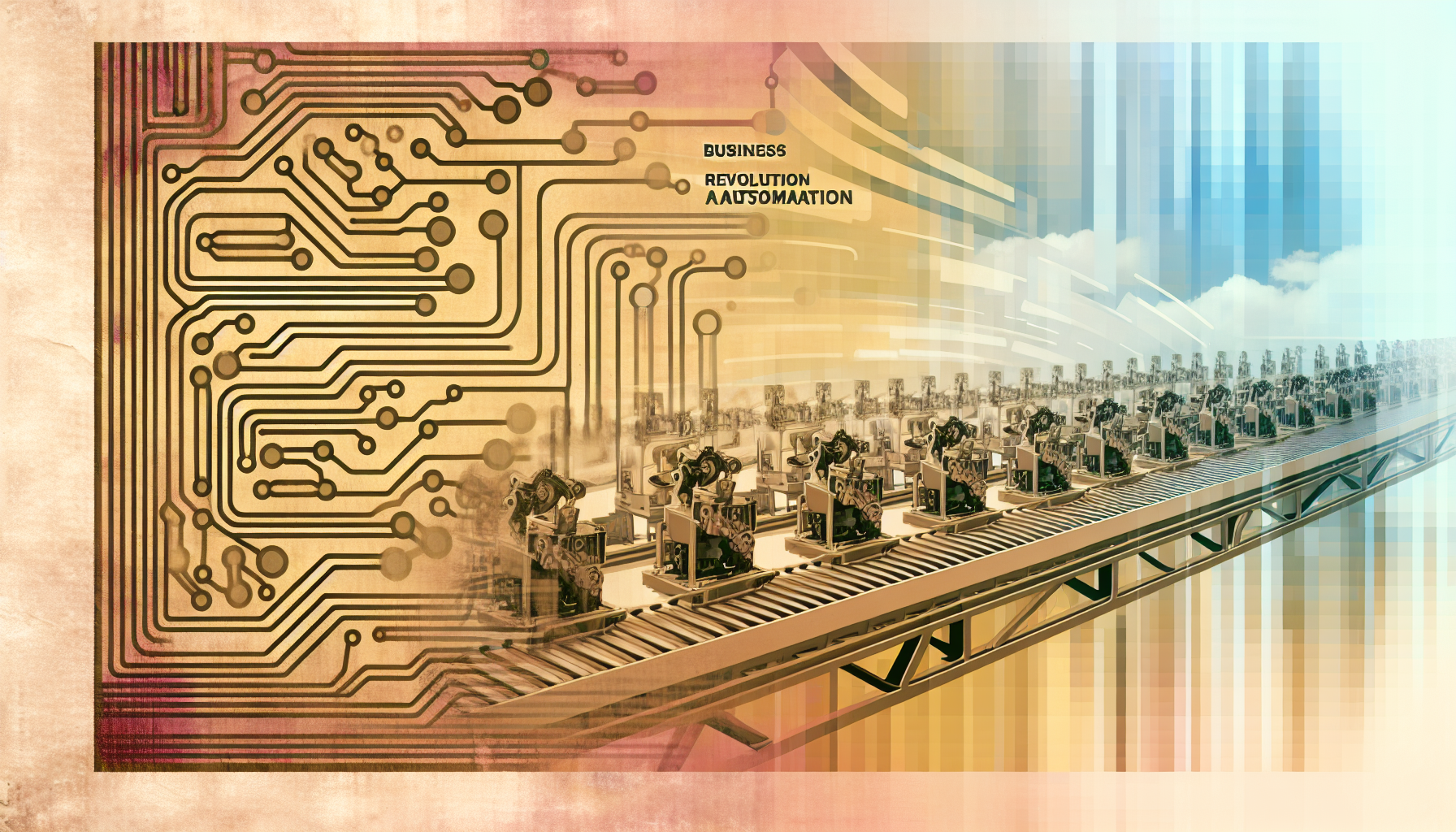
Revolutionizing Business: How AI Automation Transforms Labor-Intensive Services

In a small café in my hometown, I overheard a conversation between two entrepreneurs discussing their struggles with staffing. One lamented about the endless hours spent on mundane tasks, while the other proudly proclaimed that they had automated most of their operations. The contrast struck me: here were two individuals, both driven and ambitious, yet one was tethered to traditional labor-intensive methods while the other was riding the wave of AI-led automation. This moment encapsulated a larger narrative unfolding in the business world—a shift that is redefining how we think about work.
AI-led automation is not just a trend; it’s a profound transformation reshaping industries and redefining roles. Think about it: tasks that once required a human touch—data entry, customer service inquiries, even complex decision-making—are increasingly being handled by intelligent systems. This isn’t merely about replacing human labor; it’s about enhancing our capabilities and freeing us from the shackles of repetitive tasks.
Consider the case of a logistics company that recently integrated AI into its operations. By employing machine learning algorithms to predict demand and optimize routes, they reduced delivery times by 30% and cut operational costs significantly. Employees who once spent hours on manual scheduling were now able to focus on strategic planning and customer engagement. The result? A more agile organization that could respond to market changes with unprecedented speed. This isn’t just a success story; it’s a glimpse into the future of work.
But let’s not romanticize this shift too much. The transition to AI-led automation brings with it a set of challenges that we must navigate thoughtfully. There’s a palpable fear among many workers about job displacement. While it’s true that some roles may become obsolete, it’s equally important to recognize that new opportunities will emerge. As mundane tasks are automated, we’ll need more people skilled in managing, interpreting, and improving these systems. The key lies in reskilling and upskilling the workforce, ensuring that we are not just passive observers of this change but active participants.
One practical takeaway here is to embrace a mindset of lifelong learning. As technology evolves, so too must our skills. Organizations should foster a culture where continuous education is valued, allowing employees to adapt and thrive in this new landscape. This doesn’t just benefit the individual; it cultivates a more resilient organization that can pivot in response to changing demands.
Another reflection is the importance of human-centered design in automation. As we develop AI systems, we must ensure they are built with empathy and an understanding of human needs. The goal should not be to replace humans but to augment our capabilities, enhancing our creativity and problem-solving skills. This approach not only improves employee satisfaction but also leads to better outcomes for customers.
As we stand on the brink of this new era, it’s crucial to ask ourselves: What kind of future do we want to create? One where technology isolates us, or one where it empowers us to connect, innovate, and grow? The answer lies in how we choose to integrate AI into our businesses and lives.
The narrative of AI-led automation is still being written, and each of us has a role to play. By embracing change, fostering a culture of learning, and prioritizing human-centered design, we can ensure that this transformation leads to a future where technology enhances our humanity rather than diminishes it.
About the Author:
Sanjeev Sarma is an IT enthusiast with over 20 years of experience in enterprise software development. As the Director of Software Services and Chief Software Architect at Webx Technologies Private Limited, he blends intellectual curiosity with a human-centered approach to technology. Based in Northeast India, Sanjeev explores the intersection of AI, entrepreneurship, and everyday life, sharing insights that inspire thoughtful conversations about the future of work.