
Ever taken a bite of a perfectly ripe tomato and thought, “Wow, this tastes like summer”? That burst of flavor is more than just a happy coincidence; it’s a testament to the journey that food takes from soil to plate. In a world where convenience often trumps quality, the conversation around sustainable farming is gaining momentum, and for good reason. It’s not just about being eco-friendly; it’s about how the way we grow our food directly influences its nutritional value.
The Soil’s Secret Life
Let’s start with the soil. It’s easy to overlook, but this dark, crumbly stuff is alive—teeming with microorganisms that play a crucial role in plant health. Sustainable farming practices, like crop rotation and organic composting, nurture this ecosystem. When farmers focus on maintaining soil health, they’re not just thinking about the next harvest; they’re investing in the long-term vitality of their crops.
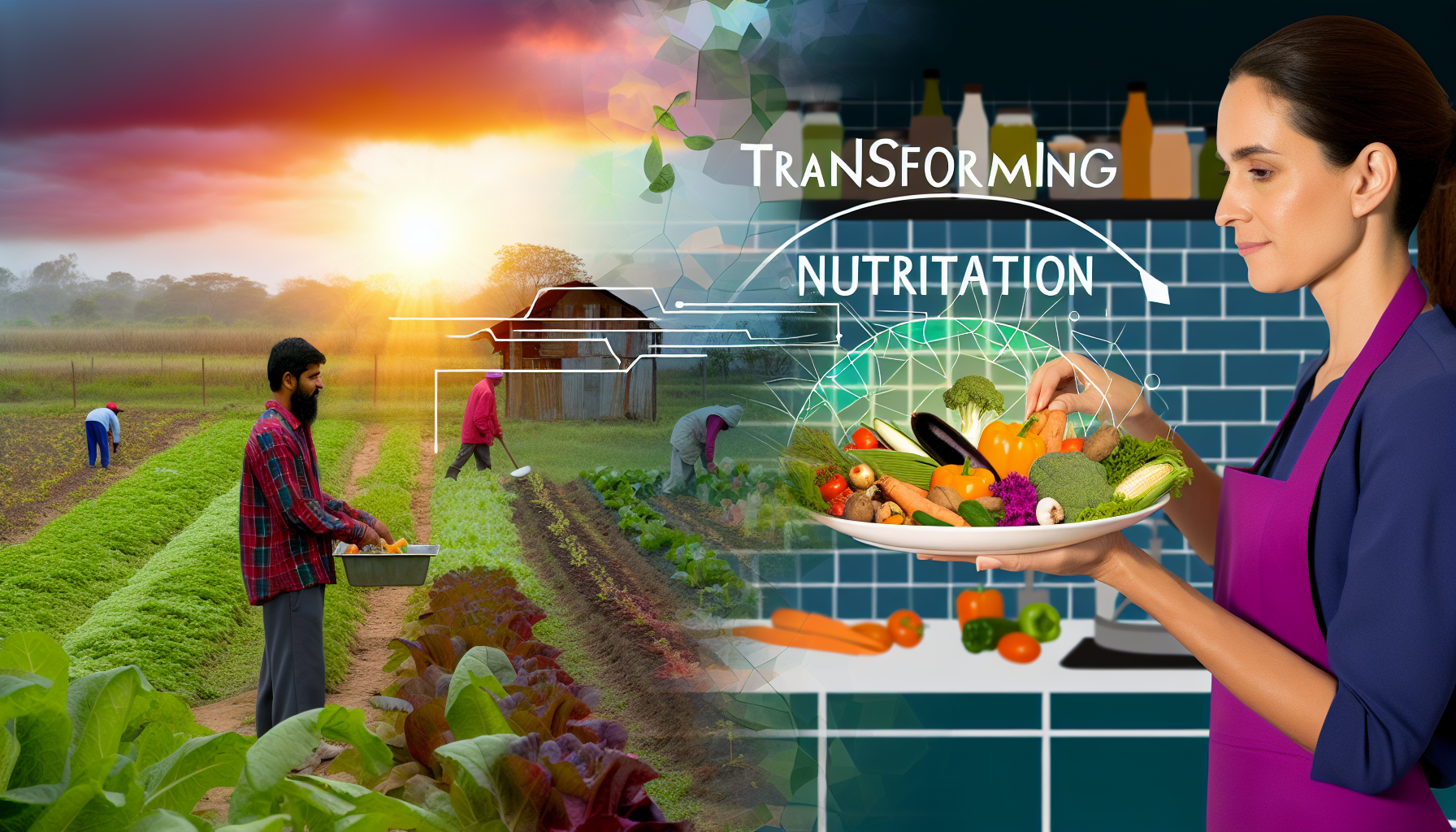
Take, for instance, a small organic farm I visited in Northeast India. The farmer had transformed his land by integrating cover crops and natural fertilizers. The result? His vegetables were not only vibrant and colorful but also packed with nutrients. It was a stark contrast to the bland, mass-produced veggies we often find in supermarkets. This experience made me realize that the journey from soil to plate is a complex dance, where each step matters.
Nutritional Value: More Than Just Numbers
Now, let’s talk about nutritional value. It’s tempting to look at a food label and focus solely on calories, fats, and vitamins. But what if I told you that the way food is grown can significantly impact its nutrient density? Research shows that crops grown in nutrient-rich soil tend to have higher levels of vitamins and minerals. For example, a study published in the Journal of Agricultural and Food Chemistry found that organic tomatoes had significantly higher levels of vitamin C and phenolic compounds compared to their conventionally grown counterparts.
This isn’t just about feeling good; it’s about making informed choices. When we choose sustainably farmed products, we’re not just supporting a healthier planet; we’re also opting for food that can genuinely nourish our bodies. It’s a win-win.
The Ripple Effect
The benefits of sustainable farming extend beyond individual health. They create a ripple effect that can transform communities. Local farmers who adopt sustainable practices often see an increase in demand for their produce, leading to better economic stability. This can empower small business owners and create a more resilient local economy.
Moreover, as consumers become more aware of where their food comes from, they start to demand transparency and quality. This shift encourages more farmers to adopt sustainable practices, creating a virtuous cycle that benefits everyone involved.
Reflecting on Our Choices
So, what can we take away from this? First, the journey from soil to plate is not just a physical one; it’s a narrative that connects us to our food and the environment. Second, by supporting sustainable farming, we’re making a choice that resonates on multiple levels—health, community, and ecology. Lastly, it’s a reminder that our choices matter. Each time we opt for locally sourced, sustainably grown food, we’re casting a vote for a better future.
Next time you bite into that juicy tomato, take a moment to appreciate the journey it took to get there. It’s not just about taste; it’s about the life it represents. And maybe, just maybe, it’ll inspire you to explore more about where your food comes from.
About the Author
Sanjeev Sarma is an IT enthusiast and the Director of Software Services at Webx Technologies Private Limited. Based in Northeast India, he blends his passion for technology with a curiosity for the world around him. When he’s not exploring the latest in AI and cybersecurity, you can find him savoring local flavors and championing sustainable practices in his community.