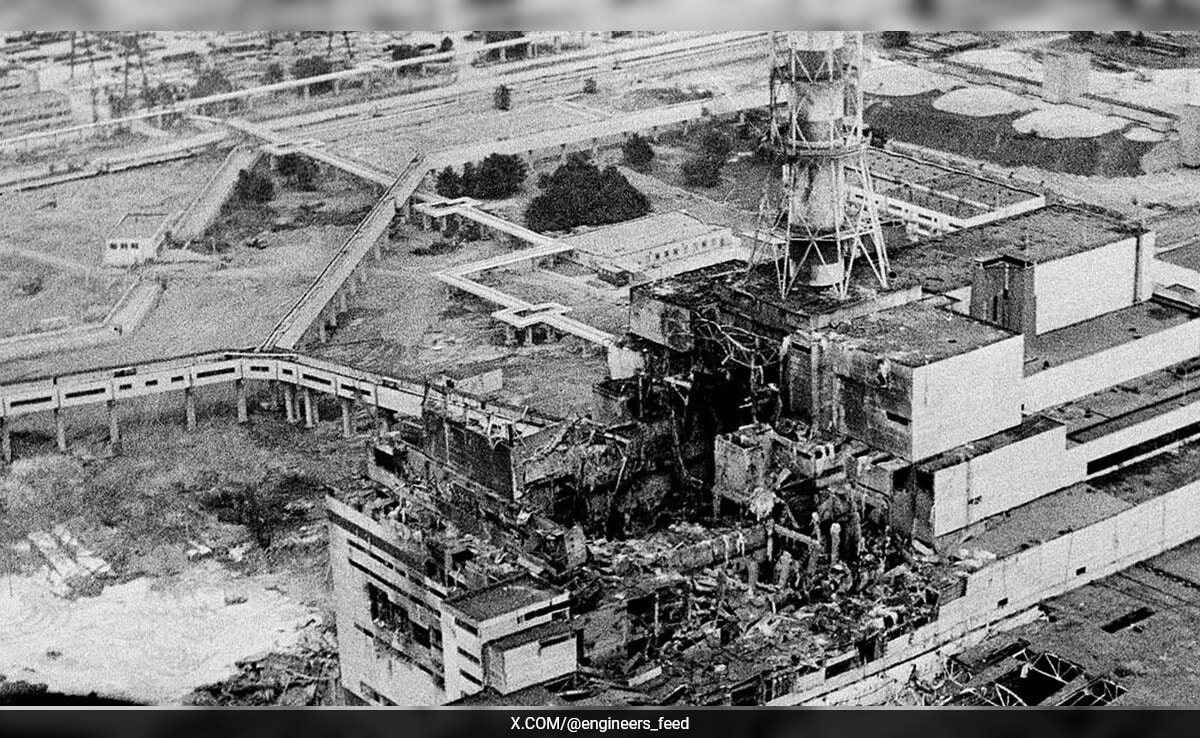

Amid escalating global tensions, particularly highlighted by the ongoing Russia-Ukraine war, concerns regarding nuclear weapons and radioactivity have surged. While radioactivity is a naturally occurring phenomenon, human activities like nuclear testing, energy production, and catastrophic accidents have created hazardous radioactive hotspots around the world. These locations pose severe health risks, far exceeding the minor radiation exposure experienced in daily life. There are certain areas where radiation levels are so dangerous that they are deemed uninhabitable.
A recent report by The Metro outlines some of the most radioactive places on Earth, although the list is not exhaustive or ranked. One of the most infamous sites is the Chernobyl Nuclear Power Plant in Pripyat, Ukraine, where a catastrophic accident in 1986 released substantial amounts of radioactive material, exposing millions to fallout and leading to numerous health issues. Similarly, the Fukushima Daini Nuclear Power Plant in Japan was severely impacted by a 2011 earthquake and tsunami, which caused radioactive leaks into the Pacific Ocean.
In the United States, the Hanford Site in Washington State was established for plutonium production for nuclear weapons, leaving behind enormous quantities of radioactive waste. The Polygon, a former Soviet nuclear test site in Semipalatinsk, Kazakhstan, witnessed the detonation of 456 nuclear bombs, resulting in heightened cancer rates and genetic defects among local residents.
Further contamination issues arise in Mailuu-Suu, Kyrgyzstan, an area devastated by Soviet uranium mining activities, and the Siberian Chemical Combine in Seversk, Russia, where a 1993 incident released radioactive materials that affected over 177,000 people. In the UK, Sellafield in Cumbria produces nuclear materials but also releases contaminated waste into the Irish Sea, raising environmental and health concerns.
The Somali Coast serves as a dumping ground for nuclear and hazardous waste, posing significant risks to both the environment and local populations. An area in Karunagappalli, India, is noted for high background radiation due to thorium in the soil, though studies have found no corresponding increase in cancer rates.
In New Jersey, the Church Rock Uranium Mill experienced a significant spill in 1979, releasing radioactive waste into the Puerco River and impacting locals and livestock. Meanwhile, the Kyshtym Disaster in Mayak, Russia, which occurred in 1957, resulted in widespread contamination due to an accidental release of radioactive waste.
The Goiânia Incident in Brazil, where a radioactive source was stolen in 1987, resulted in four deaths and extensive contamination. Overall, these events underscore the grave risks associated with nuclear operations and show the dire consequences that can arise from mismanagement and accidents in this highly sensitive field.
Original Source: https://www.ndtv.com/world-news/13-places-on-earth-so-radioactive-theyre-off-limits-to-humans-8437497#publisher=newsstand
Category:
Tags:
Publish Date: 2025-05-17 15:54:00