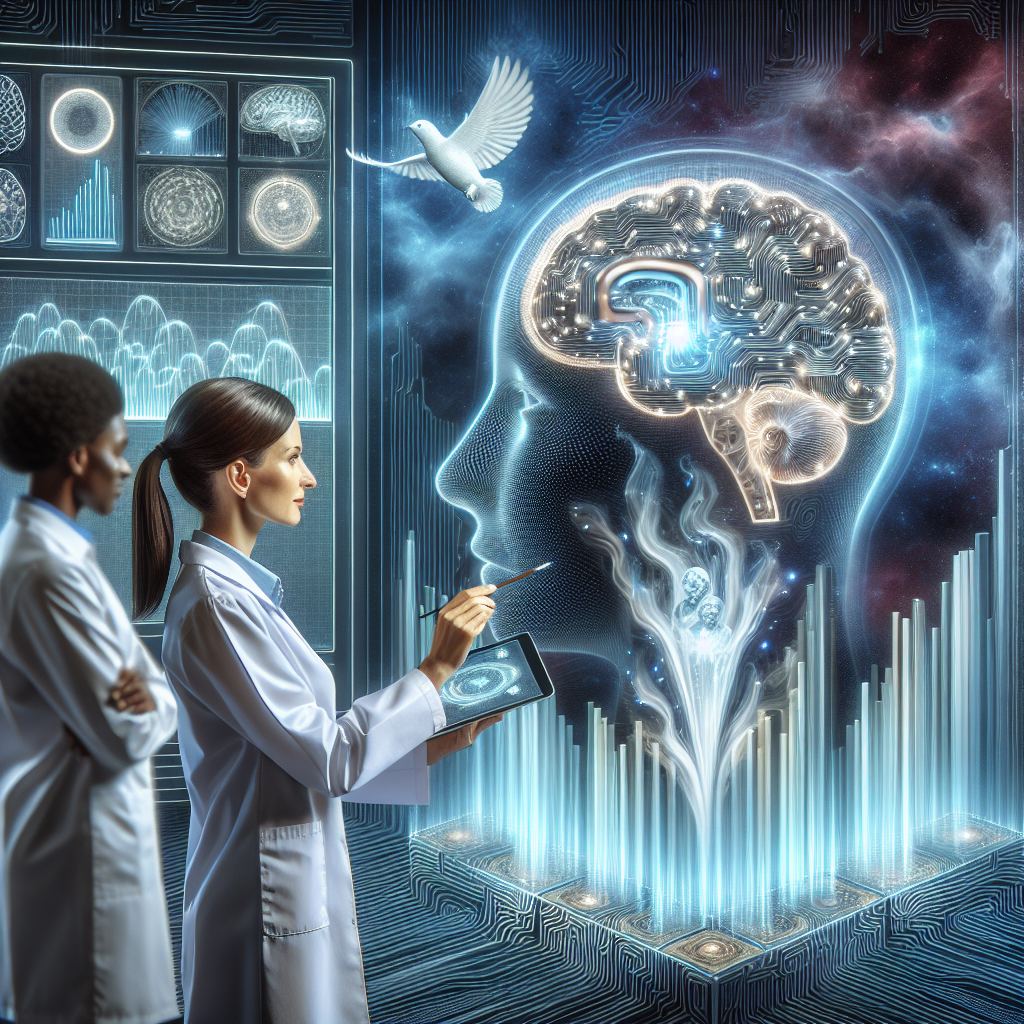
Harnessing the Power of Deep Learning: Transforming Data into Game-Changing Insights

Imagine for a moment that you’re in a concert hall. All around you are musicians, each one masterfully playing their instrument. The violins soar, the trumpets blare, and the percussion keeps the rhythm steady. It’s a beautiful mess, a cacophony that somehow winds its way into a harmonious symphony. In the world of data, deep learning acts like that conductor—bringing together countless bits of information and transforming them into meaningful insights.
Deep learning, a subset of machine learning, enables computers to learn from vast amounts of data. It’s like teaching a child to recognize a cat. You show them a bunch of cat photos and a hefty number of "not cat" photos. Over time, the child learns what makes a cat a cat—pointy ears, furry bodies, the insatiable urge to knock things off tables. With deep learning, we feed algorithms plenty of data until they can sort out the nuances, like discerning between different breeds or even understanding a cat’s mood from its body language.
Take a moment to reflect on how this technology touches our daily lives. Remember the last time you used your phone’s camera to snap a pic of your lunch? Chances are, AI was quietly at work under the hood, automatically enhancing the image and tagging the meal for you. You didn’t even have to think about it, but that instant transformation was the result of deep learning algorithms sifting through mountains of data to understand food types, lighting conditions, and even the right angles to make your dishes look Instagram-worthy.
Let’s consider the healthcare sector, which is undergoing a digital metamorphosis thanks to deep learning. Imagine a radiologist analyzing thousands of X-ray images. Traditionally, this requires immense time and steep expertise to spot anomalies. Telemedicine applications now employ deep learning algorithms capable of detecting potential issues with impressive accuracy. They sift through past cases, enhancing the radiologist’s tools. In some instances, they can even flag problems faster than a human eye could, all while continuously learning from new data. One real-world example is the AI developed by Google Health, which helps in identifying breast cancer in mammograms more reliably than human doctors can.
So, how does this affect you? Here are a few takeaways to ponder:
-
Data Literacy: Understanding how deep learning interprets data can empower you, whether you’re making career choices, investing, or improving your personal skills. Consider it like learning a new language that helps you converse with technology.
-
Personalization: As deep learning systems become more prevalent, embrace the customization they offer. Whether it’s tailored news feeds or curated playlists, these algorithms learn your preferences over time. So why not play along and become an active participant in shaping your digital environment?
- Ethics and Responsibility: With great power comes great responsibility. The capability of deep learning can lead to ethical dilemmas, from biased algorithms to privacy issues. We must engage in conversations to ensure technology serves humanity, not the other way around.
As we navigate this data-driven era, it’s essential to remember that deep learning is not just about crunching numbers or recognizing cats. It’s about making sense of the world around us. Much like that concert hall, with its chaotic orchestra all striving for harmony, our lives are rich with data, waiting to be translated into insights that could change how we live, work, and connect.
What song will your data play for you today?
About the Author:
Sanjeev Sarma is an IT enthusiast and emerging thought leader, serving as Director of Software Services and Chief Software Architect at Webx Technologies Private Limited. With a keen interest in AI, machine learning, and digital transformation, Sanjeev blends relatability with insight, encouraging readers to navigate the complex interplay of technology and daily life with confidence and curiosity.