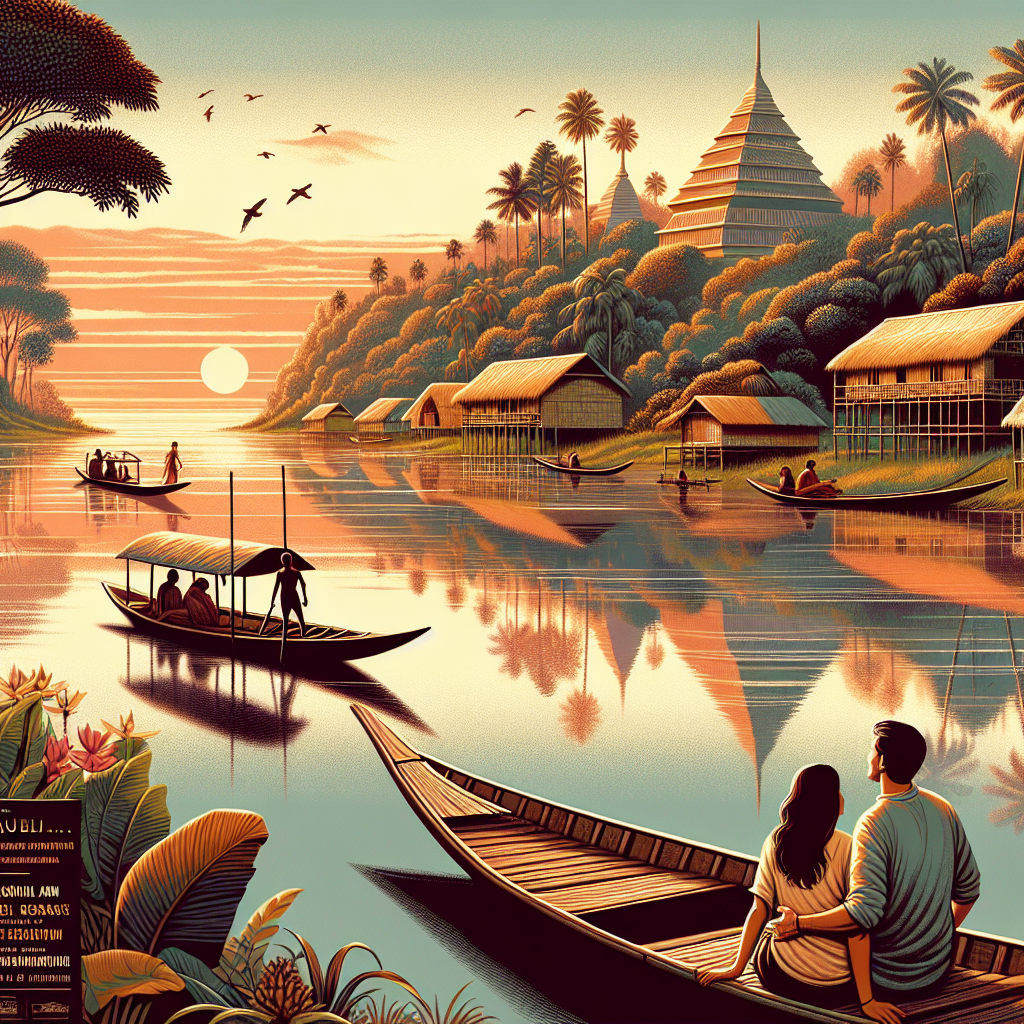

Imagine starting your day with the gentle lapping of the Brahmaputra against your doorsteps, while a vibrant sunrise spills through the trees, painting the landscape in hues of gold and green. This is a morning on Majuli, the world’s largest river island, tucked away in the northeastern corner of India. Visiting Majuli isn’t just about soaking in the beauty; it’s a tapestry of culture, spirituality, and an ecological marvel that begs to be explored.
As you wander through its lush expanse, the rich cultural heritage comes alive. The island is a melting pot of traditional Assamese culture and home to numerous satras (monasteries), which were established as part of the Neo-Vaishnavism movement propagated by the saint Srimanta Sankardev in the 15th century. Each satra is like a unique chapter in a living book, from the mesmerizing performances of Ankia Naat (a traditional form of Assamese theatre) to the intricate handloom weaving that tells stories of the land itself.
Let me share a little anecdote. During my last visit, I stumbled upon a local craftsman meticulously crafting traditional Assamese masks. Watching him, I was entranced—not just by his skill, but by the way he discussed the mythology behind each mask. “These aren’t just masks,” he said, pride sparking in his eyes. “They embody our stories, our identity.” In that moment, I realized that Majuli is not just a destination; it’s a celebration of heritage that people have preserved against the odds.
The island faces a daunting reality—climate change and erosion threaten its very existence. The Brahmaputra, while majestic, can be a fickle friend. Rising waters sometimes swallow whole villages, pushing local life to the brink. Yet, amid these challenges, the resilience of Majuli’s people shines through. They’re engaging with sustainable practices, combining ancient wisdom with modern techniques. It’s a unique intersection of old and new, where eco-tourism is not just an option but a necessity for survival.
If you’re considering a visit, here are a few practical takeaways:
-
Embrace the Local Lifestyle: The beauty of Majuli lies not just in its landscapes but in its people. Engage with locals; their stories are treasures waiting to be discovered. They’re more than hosts—they’re narrators of a rich, evolving history.
-
Sustainable Practices Matter: As travelers, our choices have a ripple effect. Respect local customs, support artisans, and consider eco-friendly accommodations. Your footprints can help preserve this jewel for future generations.
- Be Mindful of Nature: Majuli’s ecosystems are delicate. Take a moment to appreciate the diverse flora and fauna around you. Perhaps scribble a quick note—eco-mapping your journey can heighten your awareness and deepen your connection with nature.
Majuli isn’t just an island; it’s a world within a world—a place where culture, art, and nature coexist. It challenges us to rethink our relationship with our environment and our heritage.
So, the next time you find yourself sketching out your travel plans, think about how a simple visit could impact not just those wonderful people on Majuli, but also reshape your understanding of life’s interconnectedness. After all, these experiences shape the narratives we carry with us long after our journeys end.
Author Profile
Sanjeev Sarma is the Director of Software Services and Chief Software Architect at Webx Technologies Private Limited. With a passion for technology and a love for storytelling, he explores the intersections of culture, innovation, and daily life through his insightful writing. When he’s not weaving code, he’s out soaking in experiences that inspire and uplift.