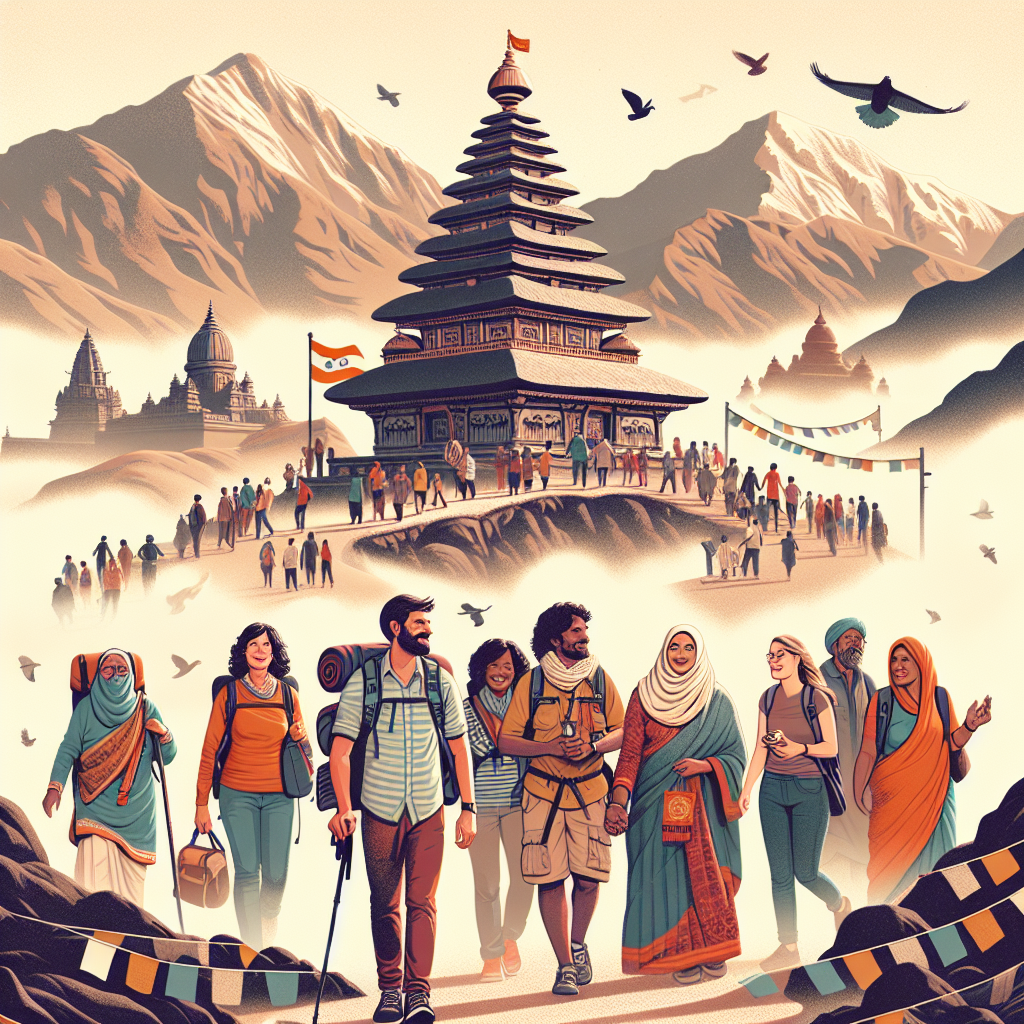
Revitalizing Faith: The Rise of Pilgrimage Tourism in India’s Spiritual Awakening

In the bustling whirl of modern life, where notifications ping like a relentless metronome, it’s easy to overlook the depth of connection we all seek—both with ourselves and the world around us. Imagine for a moment a weary city dweller, tired of the corporate grind, packing a bag with only the essentials and heading to Varanasi or Rishikesh. That quest for rejuvenation, rooted in centuries of tradition, is what’s driving a spiritual renaissance in India. Pilgrimage tourism isn’t just growing; it’s being reimagined.
Take, for example, a friend of mine, Anirudh. After years of chasing deadlines in Bangalore, he decided to visit Rishikesh, not just for the scenic beauty, but to immerse himself in yoga and spirituality. His stories of conversations with sadhus, meditative mornings by the Ganges, and moments of self-discovery resonate with a growing number of people in our frenetic world. He’s not alone; a recent report from the Ministry of Tourism highlighted a significant 30% increase in pilgrimage tourism over the last few years. This isn’t just data; it’s a reflection of a broader yearning for meaning in a high-speed digital age.
Pilgrimage sites in India, steeped in history and spirituality, are witnessing a renaissance sparked by various factors. The rise of social media has bridged the gap between distant lands and individual experiences, creating a sense of community around travel. Influencers and bloggers whip up wanderlust with vivid imagery of serene landscapes and sacred rituals, compelling many to embark on their journeys of self-discovery.
Moreover, it’s crucial to acknowledge the intersection of technology and spirituality. Digital platforms now offer virtual tours of temples and interactive sessions with gurus, making spirituality accessible to those who may never set foot in India. This blend of the old and new is creating an environment where ancient practices meet modern convenience. The result? A significant influx of both domestic and international tourists flocking to places like the Kumbh Mela, where millions gather in a once-in-a-lifetime spiritual spectacle.
Yet, as this renaissance flourishes, it’s essential to remain grounded. The spiritual journey should never be reduced to a mere checklist of Instagrammable spots. True connection comes from understanding and respecting the culture and traditions behind these sacred places. It’s a dance between reverence and exploration—an enriching experience shaped by genuine interactions and moments of reflection.
So, what can we take away from this wave of pilgrimage tourism? First, prioritize authenticity over trends. Instead of following the latest social media craze, seek experiences that resonate soulfully. Secondly, practice mindfulness during your journey. Engage with locals; listen to their stories. It’s through these personal connections that we truly grasp the essence of a place. Lastly, create space for inner reflection. Whether it’s during a sunrise meditation at a temple or a quiet moment by a riverbank, let the experience seep into your being.
As we stand at the crossroads of tradition and technology, the Indian spiritual renaissance serves as a gentle reminder: Life’s most profound lessons often lie in the simplest of moments. The world might be fast-paced, but in pilgrimage, we find stillness. We discover that perhaps, in a chaotic universe, the quest for connection—with ourselves, others, and the divine—is what ultimately guides us home.
Author Profile:
Sanjeev Sarma is the Director of Software Services and Chief Software Architect at Webx Technologies Private Limited. An IT enthusiast and emerging thought leader from Northeast India, Sanjeev blends technology with everyday life, exploring the intersection of digital innovation and human experience. When he isn’t coding or strategizing, he’s likely hiking through local trails, contemplating the deeper meaning behind life’s complexities.